01 · Choose Film
Select the Ideal Projection Film
Match your application to the right film—choose brighter, high-contrast films for rooms with ambient New York daylight or translucent options for ‘floating’ effects.
Transform glass storefronts, lobby walls and venues in New York with projection film engineered for stunning visuals in real city light.
New York’s vibrant retail corridors, dynamic museums, and bustling convention centers call for modern, attention-grabbing displays that perform in all seasons. Rear projection film offers a compelling solution by turning existing glass and acrylic surfaces into bright canvases for digital content—perfect for brand teams, exhibit designers and creative agencies looking to make an impact across Manhattan, Brooklyn, Buffalo, Albany and beyond.
As a division of Screen Solutions International, Rear Projection Films serves customers across New York and nationwide. Our films are cut to size in California and shipped wherever your project needs demand. With distinct film types for different lighting conditions and display goals, you can test with a sample kit before you commit, ensuring you see exactly how your concept performs in your own unique window or interior setting.
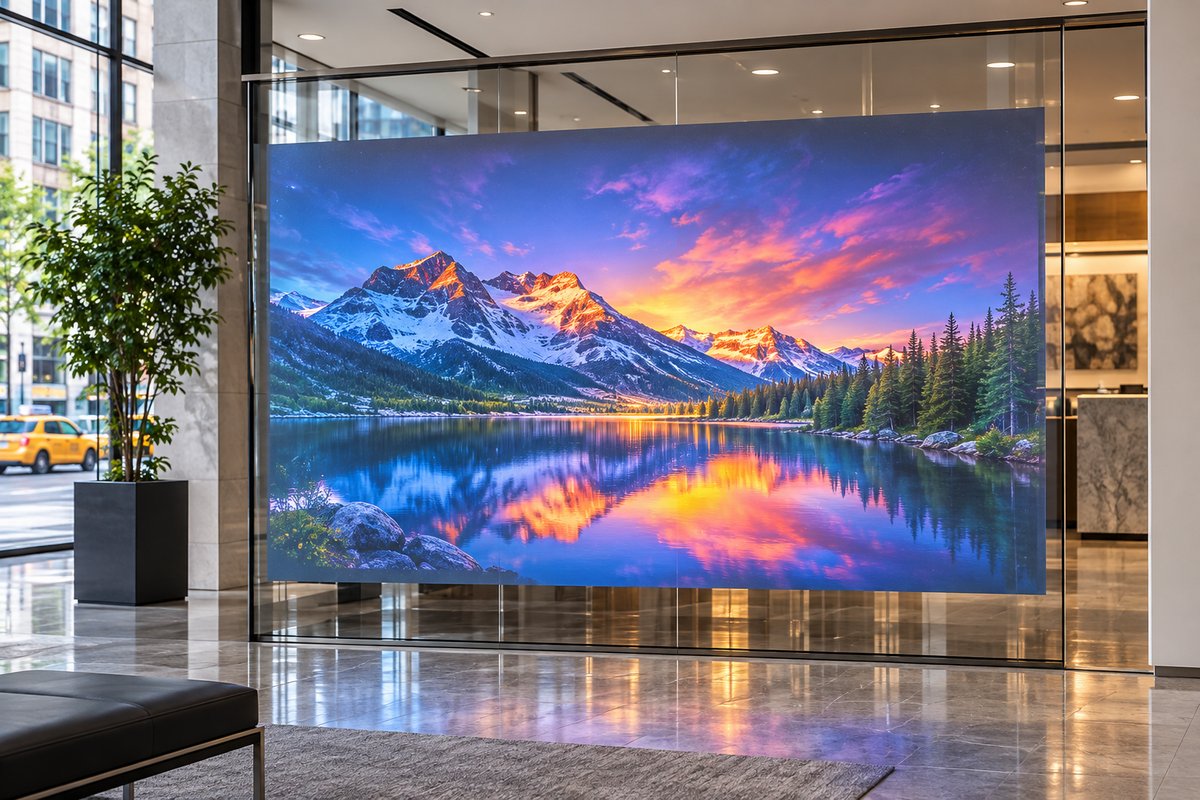
Match your application to the right film—choose brighter, high-contrast films for rooms with ambient New York daylight or translucent options for ‘floating’ effects.
Evaluate different projection films directly on your glass or acrylic in actual city lighting conditions before making a final decision.
Films are cut to your specific needs and shipped from our California office for a precise, clean fit on your New York glass.
Create dynamic, changing visuals on storefront windows in high-traffic shopping districts—perfect for launching products, brand messaging, and seasonal campaigns that turn heads from Soho to Midtown.
Stand out at NYC convention centers or Brooklyn exhibit halls by transforming ordinary booth glass or acrylic into bold, interactive digital screens—great for both front-facing visuals and two-sided DualView presentations.
Enliven museum exhibits, science centers or corporate welcome areas with visual projections on glass walls, partitions, or dividers—no permanent build-out required, just a clean, modern digital layer.
For versatile storefronts or interiors around New York where you want consistent, vibrant projection on standard glass or acrylic. Suitable for a wide range of lighting levels and content types.
Best for general-purpose projections where a frosted, diffused look is desired—ideal in retail window displays or partition screens in lobbies for a clean white background that diffuses light evenly.
Choose for bright, high-foot-traffic areas like street-level windows or conference spaces with plenty of ambient day or city light. Delivers enhanced contrast and clarity when you need your visuals to compete with surrounding lighting.
Perfect for glass panels and windows where your audience is on both sides—think busy Manhattan storefronts or convention booths. Allows for short-throw and off-axis projection, viewable from either direction.
When you want a transparent or ‘floating’ effect within galleries, showrooms or experiential spaces. Intrigue’s translucent finish allows for dramatic visuals that appear to hover within the glass.
Order a sample kit to compare film performance across your actual windows or partitions before committing. Testing is especially important in New York’s varied lighting conditions.
Arrange electrical service or upgrades as needed for powering projectors at NYC retail spaces or event venues.
Check local requirements for sign, alteration and electrical permits before installing permanent or event-based projection films in New York City.
Review current and forecast weather conditions to schedule your installation for optimal temperature and humidity.
New York’s density and diversity mean more opportunities—and greater lighting challenges—for window and glass projection. From street-level storefronts under ever-changing sunlight to interior partitions in Midtown skyscrapers, choosing a film tailored to your environment is key. For example, high-contrast Definition films excel in daylight-soaked or brightly lit lobbies, while Accent frosted meets the need for a softer, more diffused display on café windows in the Village or boutique facades in Dumbo.
Museums and science centers across the state can benefit from Intrigue’s floating image effect, producing memorable exhibits in low-lit galleries or open atriums. Trade shows at Javits Center or Upstate expositions demand DualView to engage traffic approaching from any direction, making booths inviting and interactive.
Seasonal changes also affect how your projection will appear—clear, cold winters with early sunsets increase the impact of illuminated film displays, while hot, humid summers mean evaluating indoor vs. near-entry window placement. Always test samples in typical site conditions to predict image quality before the event or grand opening.
Whether you’re activating glass in a Tribeca flagship, Buffalo gallery or Long Island visitor center, rear projection film lets you modernize displays with minimal infrastructure changes—flexible, removable and ready to scale with your next campaign or event.
Securing reliable power is step one for any projection-driven display—especially in New York, where older buildings and modern renovations often intersect. Consult with your local provider (like Con Edison in NYC) to schedule new connections or upgrades if your display requires added load, keeping safety and code compliance at the forefront.
Outdoor climate can affect both installation and film performance. Install films inside the building envelope and consult the forecast for temperature, humidity and precipitation to avoid issues with adhesion or bubbling. In winter, consider heating and condensation from interior environments that might affect glass temperature during installation.
Permit requirements for signage, display technology, or window alterations differ widely by municipality and project scope. For New York City, sign permits may be required for street-facing windows or illuminated displays—especially those involving electrical components. Always check with the local building, sign or event office to clarify regulations before finalizing your plans.
Understanding these local factors ensures not only a smoother rollout, but also better long-term performance and fewer delays—helping your visuals shine without disruption.
Skipping the sample test phase is a common oversight—unique NYC urban lighting and glass compositions can dramatically affect visual performance. Always preview several film types and content styles with a sample kit before committing to a large area or permanent activation.
Another mistake is misjudging the light environment. Glass that’s shaded part of the day may glare as the sun shifts, or ambient light from street fixtures can wash out an otherwise vibrant display after dark. Observe your intended glass throughout a full day and test around sunset and nightfall if you plan extended activations.
Improper film sizing often leads to visible seams or exposed edges, compromising the effect and reducing durability. Carefully measure all glass panels and order your film custom-cut to avoid installation challenges.
Lastly, do not apply projection film meant for displays to reduce glare—the anti-glare films are a different product entirely and not suitable for displaying projected content. Contact us for technical guidance on choosing the right film for your unique setting.
Projection film is designed for smooth, clean glass or acrylic surfaces, including storefront windows, indoor partitions and most fixed panels. It should not be applied to textured, curved or flexible plastics. Always test a sample to confirm compatibility with your exact glass type.
Accent frosted film is ideal for general use with a diffused look, Definition and Definition Pro offer high-contrast images in brighter or public-facing spaces, Intrigue yields a floating, see-through effect, and DualView enables two-sided projection—great for high-traffic zones or booths. Testing samples in your lighting helps with the final choice.
Permit requirements vary by location and scope. In New York City, window displays with projection technology or electrical wiring often require sign and alteration permits. Always check with your local building or sign office before starting installation to stay on the right side of regulations.
Projection films are meant for installation on the inside of glass or acrylic, protecting them from outdoor weather. For displays exposed to significant temperature swings or humidity, test samples first to ensure they deliver the desired result. Consult your local forecast and schedule installation when conditions are favorable.
Yes, all films are custom-cut in our California office according to your precise specifications. This ensures a tailored fit no matter the size or complexity of your project, from small corner windows to tall lobby partitions.
Order a projection film sample kit and install swatches on your actual glass or acrylic. Test projected content at different times of day and with typical room or street lighting active. This approach provides a true preview of brightness, contrast and overall effect for your chosen venue.