Projection Film Applications for Glass in New York’s Dynamic Spaces
Discover how rear projection film transforms glass in New York’s storefronts, museums, event spaces, and lobbies—plus resources for planning your next display.
Transforming New York Storefronts with Rear Projection Film
As New York’s retail landscape grows more competitive, attention-grabbing window displays are crucial. Rear projection film enables retailers to turn everyday glass into dynamic, changing visuals that tell a story—day or night. Placed on the inside of storefront glass and illuminated from behind by a projector, these films offer visual impact without interfering with the building envelope or foot traffic outside.
For general-purpose, bright window visuals, Rear Projection Accent Film delivers frosted, high-brightness displays that invite shoppers inside, even under Manhattan’s intense storefront lighting. In high-traffic areas like Midtown, film can be custom cut to fit oversized windows or unique transom shapes. Since requirements for signs and digital displays vary, stores planning rear-projection features should review sign and permit requirements before installation.
Access to reliable electric power is essential for continuous operation. For new installations, particularly in historic or complex buildings, consult Con Edison Service Management to coordinate any power upgrades for AV equipment or projectors. Sample kits are available to help store planners see how films look in real window conditions before committing.
Museum and Science Center Exhibits on Glass
New York museums, science centers, and visitor attractions use glass partitions to define galleries and create new visitor experiences. Rear-projected displays can turn interior glass walls into live timelines, interactive maps, or immersive storytelling surfaces. Since these installations often share space with valuable artifacts, controlling ambient light is a challenge.
For bright or sunlit public areas, Rear Projection Definition Film provides a dark gray, high-contrast surface for sharp images and vibrant text. This film helps ensure digital content remains vivid even in rooms filled with daylight from skylights or atriums. Technical guidance is available to assist with projector selection, aiming to match performance to the institution’s lighting and layout.
Weather can affect any building project—especially in changing New York climates with snow in the winter and heat in the summer. Always review current weather forecasts before scheduling film installation to ensure the glass is properly conditioned and condensation-free.
Dynamic Corporate Lobbies and Briefing Centers
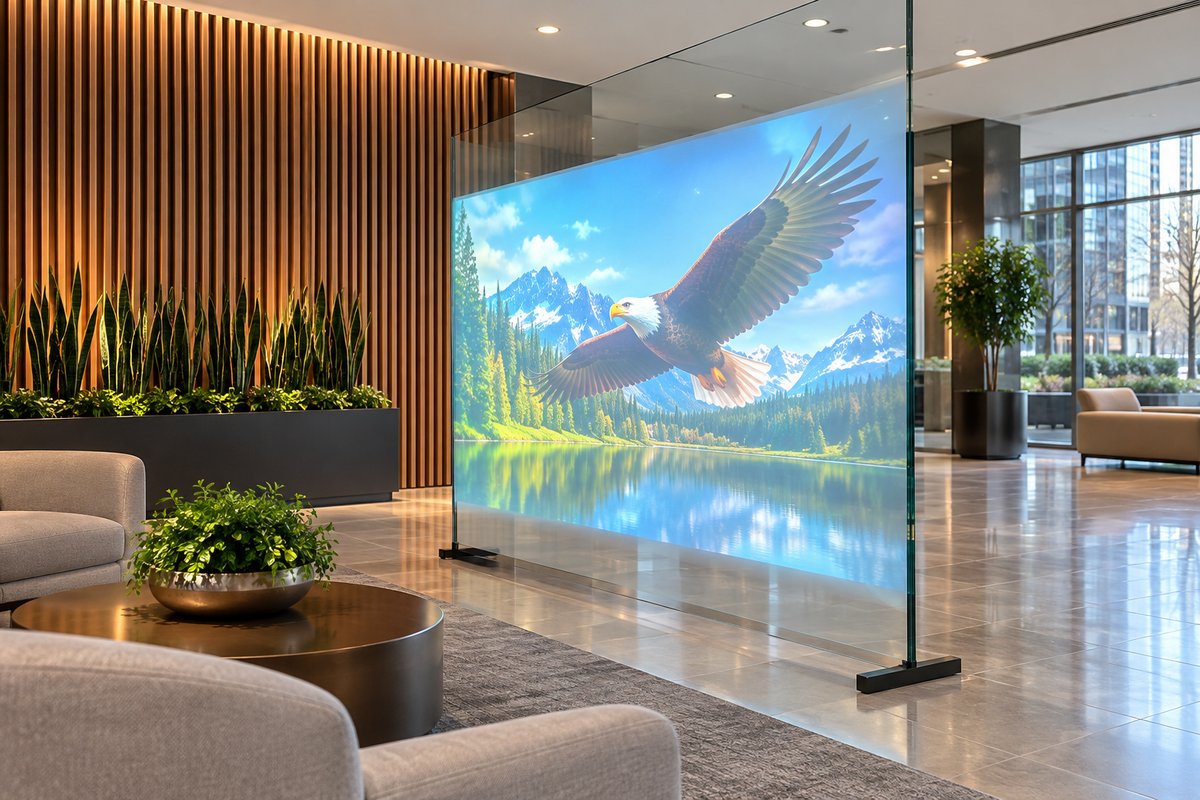
Forward-looking companies and organizations across New York’s metro areas use glass-walled lobbies, conference suites, and visitor centers as a canvas for digital content. Projected visuals can play branded messages, greet guests, or display live data without mounting screens or visible electronics.
Accent and Definition films can be custom cut to match individual lobby panels, columns, or glass corridors—creating an integrated digital environment without compromising line of sight or open design. For executive briefings or product launches, films allow for flexible projection setups that can be rearranged as needed.
Adding or upgrading lobby projection typically requires power planning, especially in high-rise office towers. Early coordination with Con Edison can streamline power access for AV gear. Since requirements for digital displays in lobby settings depend on building policies, security, and New York City regulations, project leads should check permit guidelines.
Trade Shows, Pop-Up Events, and Convention Displays
From Javits Center conventions to regional expos in Albany, rear projection film creates eye-catching exhibits for short-term events. Unlike traditional digital signs, films can be applied to standard glass or lightweight acrylic panels, offering flexible booth design. Films can help transform plain glass podiums, kiosks, and walls into illuminated branding surfaces or demonstration areas.
DualView Projection Film is especially suited to trade shows. It allows images to be projected and clearly viewed from both sides of the glass or acrylic, supporting innovative layouts where foot traffic passes on both sides. This is ideal for open island booths or walk-through brand experiences. DualView is also compatible with short-throw and off-axis projector setups, making it adaptable for tricky event spaces.
Since power availability can vary on event floors, exhibitors should confirm electrical access with event organizers or consult local resources for temporary setups. Testing a projection film sample kit can help exhibitors check visual quality in the actual venue lighting ahead of an event.
Highlighting Interactive Kiosks and Information Points
Busy locations like airports, malls, and transit hubs across New York State rely on glazed kiosks for information and self-service. With rear projection film, glass-faced kiosks become digital signage, responding to touch or gesture sensors. This approach minimizes hardware exposure while enabling frequent content changes.
Rear Projection Intrigue Film gives a unique “floating image” effect, making interactive icons, wayfinding arrows, or alerts appear to hover on transparent glass. This translucent film helps draw user attention without obscuring surroundings, making it perfect for public spaces where line of sight matters.
Integrators planning kiosk upgrades should factor in both electrical routing and compliance with local display regulations. Sample kits are a practical way to test projection films for viewability and interactivity before full-scale rollout, especially in high-traffic locations. For airport or transit installations, always confirm any display guidelines with local authorities based on the link above.
Creative Uses in Arts, Hospitality, and Retail Environments
From pop-up art galleries in Brooklyn to upscale hotel lounges in Manhattan or the Hamptons, the creative possibilities for rear projection film stretch beyond traditional advertising or signage. Films enable moving art installations on glass partitions, atmospheric visuals at events, and custom-animated themes for retail launches.
Ultra clear and clear films preserve see-through transparency, making them ideal for businesses that want to maintain outward visibility during the day but activate digital displays at night. This flexibility is especially valuable in vibrant districts where both aesthetics and advertising matter. Films are available in custom sizes for nearly any window or partition—adapting to irregular shapes and large venues alike.
An important planning tip: review local weather conditions before film installation to avoid application issues related to condensation or rapid temperature swings. Nighttime installations or projects planned during seasonal transitions should be guided by up-to-date weather information.
Testing and Selecting Rear Projection Films for New York Projects
No two New York spaces are exactly alike. That’s why projection film samples are available—to test performance onsite before ordering custom film. Variables like storefront orientation, adjacent lighting, daily foot traffic, and even local signage rules can affect the optimal setup for a rear-projection window or glass wall.
Accent film is often chosen for most retail or indoor informational displays due to its frosted, high-brightness finish. In settings with significant daylight or strong interior lighting, Definition film or Definition Pro are recommended for maximum image clarity. For transparent, “floating” effects on glass walls or for dual-sided messaging in open spaces, Intrigue and DualView films provide unique solutions. Review technical guidance or contact support for advice on picking the right film for your specific setting.
Since electrical and regulatory requirements can vary by municipality or project type, designers and facility managers are encouraged to consult the local resources above when planning a new installation. Early coordination can smooth out both design and operations for any rear projection film project.
FAQs: Rear Projection Film for New York Glass and Windows
How do I know which rear projection film works for my display?
The right choice depends on the glass area, typical light exposure, size of your display, and whether you want transparency or a frosted finish. Start by testing a projection film sample kit in your actual location, then consult technical guidance for matching film types to your goals.
Is a permit or special approval required to use projection film on storefront windows?
Requirements vary depending on location, local codes, and whether the display is considered a sign. Always review sign permit information and consult with the relevant office for your project’s address before starting installation.
What do I need to power my projection window or glass wall?
Continuous projection displays require a stable power supply that matches your AV equipment needs. In New York City or other urban areas, coordinate with Con Edison Service Management or your local utility early in planning to ensure access and avoid delays.
Start Your Next Projection Film Project in New York
For retailers, museums, event planners, and integrators across New York City and the state, rear projection film brings glass and windows to life with digital content. Each project is unique—so order samples, test in your own lighting, and ask for technical guidance to optimize your installation. Films are custom cut, available in multiple styles, and shipped directly from California. Ready to get started?
- Con Edison Service Management – coordinate electrical upgrades in New York City
- Sign Permit Requirements – permitting details for New York storefront digital displays
- New York County Weather Forecast – check latest conditions for glass installations