01 · Evaluate Glass
Assess Your Glass or Acrylic Area
Measure the area where you want to add visuals—windows, partitions, or acrylic—and note how much natural or artificial light enters each space.
Bring digital visuals to glass storefronts, partitions, and displays across Colorado with projection film cut for your project.
Colorado’s growing cities and tourism attractions thrive on innovative visual experiences. From retail hubs in Denver and Boulder to museum and event spaces in Colorado Springs and Fort Collins, projection film lets you turn almost any window, glass partition, or acrylic surface into a bright display—welcoming customers, visitors, and event attendees with vibrant storefronts, immersive stories, and dynamic brand moments.
Rear Projection Films, a division of Screen Solutions International, serves creative teams and AV planners throughout Colorado. Each film is custom-cut and shipped from our California office so you can tailor every panel to your local project. Unsure which film suits your natural light or layout? Order a sample kit to test materials right on your Colorado glass before finalizing your display.
Measure the area where you want to add visuals—windows, partitions, or acrylic—and note how much natural or artificial light enters each space.
Get a sample kit to see how each rear projection film performs on your actual glass and in your lighting conditions—test at different times of day for the best results.
Select the best film for your brightness, clarity, and installation goals. Order custom sizes pre-cut for your layout, then install to transform your space.
Catch the attention of shoppers in downtown Denver, Boulder, or Cherry Creek with window projection displays on glass. Easily update seasonal content for sidewalk sales, brand launches, or events.
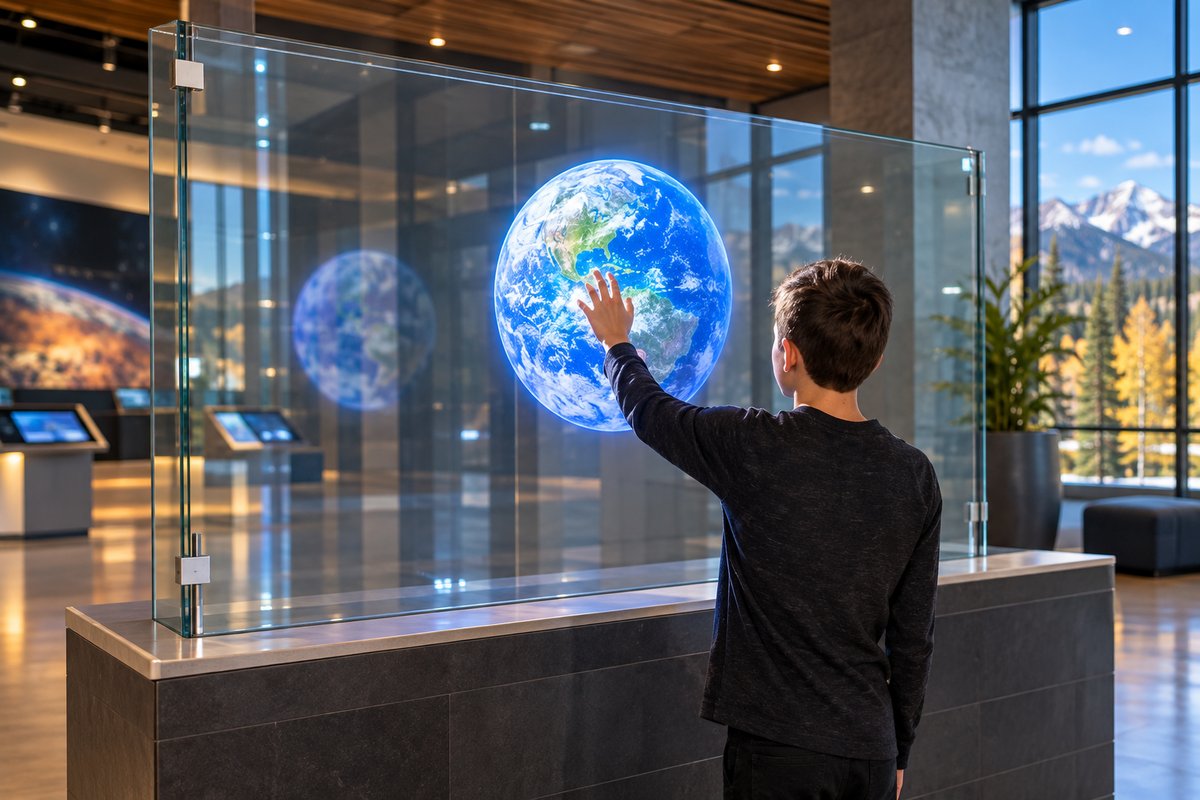
Turn glass walls, acrylic enclosures, or gallery partitions into interactive or immersive displays—great for museums, science centers, and visitor attractions from Colorado Springs to Fort Collins.
Install projection film on event venue glass or in corporate headquarters lobbies—ideal for conventions, product launches, and visitor welcome centers across Colorado’s event venues.
Best for glass or acrylic in areas with moderate lighting or when you need a tried-and-true rear projection display. Popular for stores and lobbies throughout the state.
Choose Accent’s frosted white finish for storefronts and indoor partitions, especially where privacy is valued or you want a soft, diffused look that works well in Colorado’s changing daylight.
Pick Definition when you need a high-contrast image in bright locations—perfect for venues, museums, or retail windows exposed to Colorado’s sunny conditions or dynamic city lighting.
Ideal for settings where your audience is on both sides of a window or partition. Great for busy retail sidewalks in Denver or trade show booths with walk-through flows.
This translucent option is the choice for ‘floating’ or holographic effects—popular in creative museum displays, public art, or attention-getting installations at visitor centers.
Test how each film looks and performs on your actual glass and in your local daylight before deciding—recommended for all Colorado projects due to wide seasonal and lighting swings.
Check electric availability and any planned utility work for your Denver-area or Front Range displays.
Review Denver’s lighting and sign zoning guidelines before planning a new window projection display; rules may vary by location.
Monitor local weather trends, cloud cover, and forecast to plan projection times and equipment placement—especially with Colorado’s variable climate.
Across Colorado, projection films unlock creative display possibilities in urban streetscapes, mid-century storefronts, science and art museums, and mountain resort event spaces. Retailers from central Denver to Boulder’s pedestrian corridors rely on digital displays to stand out—especially during holiday seasons, festivals, and frequent citywide events. Museums and visitor attractions throughout Colorado Springs and Fort Collins use glass walls or enclosures to draw in crowds and add layers of interactivity to their exhibits.
Event planners choose projection film for trade shows at convention centers or as a visual anchor for pop-ups and temporary installations. Corporate campuses in the Denver Tech Center or Broomfield use projection film lobbies and glass meeting rooms for branding, navigation, and security. Even mountain-area venues near Estes Park use rear projection for immersive storytelling or visitor videos.
Thanks to Colorado’s high elevation and dry climate, glass surfaces can see intense sunlight and glare in the day, but vivid dusk and night displays as well. Different locations and seasons influence which film type is best—using custom-cut film and testing samples in your real lighting is the best way to ensure consistent, sharp visuals year-round.
Display projects in Colorado often require careful power planning, especially if glass windows face busy pedestrian zones or are separated from indoor utility access. It’s important to check with your property team and, for downtown projects, with your provider (like Xcel Energy) for power access details. Some storefronts or event locations may need temporary or outdoor-safe projector enclosures—always confirm what is safest and appropriate for your site.
Lighting conditions change rapidly across the Front Range and higher elevations. Your display could face full afternoon sun one day, then heavy clouds the next. This makes it critical to test projection film samples over different times and weather to ensure you select the right finish for ambient light and visibility.
Local jurisdictions, especially in Denver, Boulder, or resort towns, often have rules about signage, digital displays, and when glass can be covered. Always check with your city’s sign or event office before installation—requirements or review processes can change by area, even within the same city. Rear projection films are installed inside the glass, but rules for content or lighting can still apply.
One of the most common mistakes in Colorado installs is underestimating the power of ambient daylight—especially at altitude or on glass that sees direct sun. For these areas, choose a high-contrast finish such as Definition and test alignment and brightness with your projector at several times of day.
Rushing into installation without first sampling films on your actual glass can lead to sub-par visuals or unexpected hot spots. Always order and install sample films first before finalizing your selection.
Another pitfall is incorrect projector placement. Rear projection films must be lit from behind, so plan early for projector mounting behind each glass panel; for DualView projects, try using off-axis or short-throw projectors for added flexibility. Avoid using anti-glare films as projection surfaces—these are meant only for controlling reflections on finished screens or glass.
Finally, always confirm measurement and cutting for each panel and verify city or event rules for signage and lighting before ordering custom film—project requirements, permits, and sign rules can vary widely by region and venue.
Rear projection film is designed for clear or lightly tinted glass and acrylic surfaces. It should be applied to clean, smooth panes for the best results. For historic or unusually shaped Colorado storefronts, custom-cut options are available—always measure carefully and test samples in your space.
For glass exposed to Colorado’s strong daylight and reflections, films with a dark, high-contrast finish like Definition are recommended. Test in your location during peak sunlight and adjust projector brightness as needed to ensure vivid images.
Regulations can vary by municipality, neighborhood, and building type. Always contact your local city planning, building, or sign office for current requirements related to digital displays, window treatments, or nighttime lighting. Rear projection films are applied indoors, but local rules can still apply to interactive or illuminated displays.
Projection film should always be installed on the interior side of glass or acrylic to avoid exposure to weather and temperature extremes. For outdoor or semi-enclosed applications, verify that the projector and any AV equipment are suitable for your conditions and check enclosure needs.
Yes, sample kits are available for all projection films. It’s highly recommended to test on your actual glass and in various weather/light conditions to ensure your content appears sharp and vibrant before ordering custom-cut panels.
All custom-cut films are prepared and shipped from our California office, serving projects across Colorado and nationwide. Technical guidance is available by phone or email to help you select films, assess projector needs, and plan your installation.