01 · Plan
Evaluate Your Glass and Lighting
Walk your Michigan space and pick the glass or acrylic surfaces you want to transform. Note ambient daylight, room lighting, and where a projector could be safely placed behind the surface.
Transform any glass surface in Michigan with rear projection film, engineered for high-impact visuals in all seasons.
From bustling Detroit retail corridors and Ann Arbor museums to Grand Rapids event venues and corporate campuses in Lansing, Michigan’s diverse architecture and climate make glass a central design element across the state. Rear projection film turns those windows, partitions, and glass walls into stunning digital displays—empowering brand teams, museum curators, event exhibitors, and AV planners to tell their stories with light, motion, and color.
Rear Projection Films, a division of Screen Solutions International, ships custom-cut projection film across the United States from our California office, providing sample kits so you can test performance in your own Michigan location—whether outfitting a glass-walled storefront, a university science center, a convention exhibit, or a busy corporate lobby. Our technical guidance helps you select the right film for your ambient lighting, layout, and creative goals.
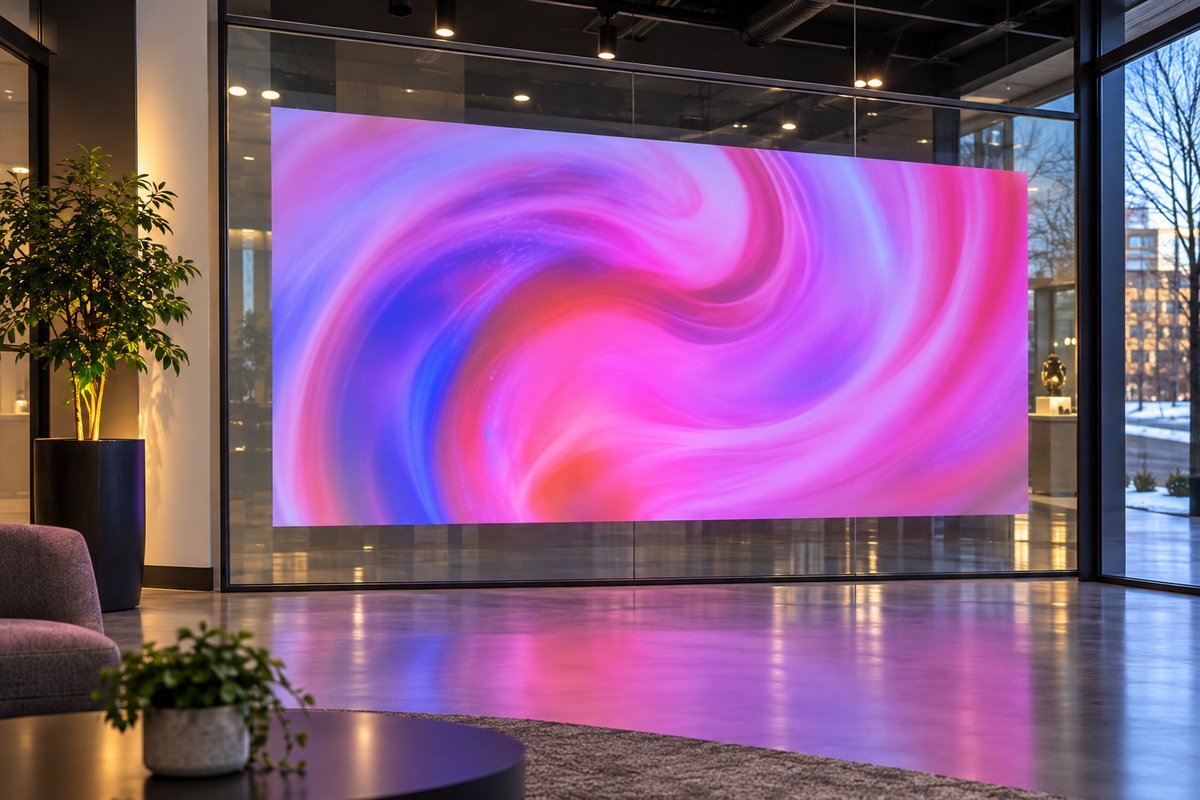
Walk your Michigan space and pick the glass or acrylic surfaces you want to transform. Note ambient daylight, room lighting, and where a projector could be safely placed behind the surface.
Order a projection film sample kit to preview Accent, Definition, Intrigue, DualView, and other films on your glass surfaces in the actual lighting conditions at your location.
Have your projection film custom cut, and install it to the inside of your chosen glass or acrylic. Our technical team is available to advise on film selection and installation.
Create interactive window promotions, seasonal visuals, and dynamic branding in busy Michigan shopping districts—from downtown Detroit to outlying suburban malls.
Enhance exhibitions and learning zones with captivating visuals and floating image effects in museums, art galleries, and science centers across Michigan’s cities and college towns.
Transform acrylic panels, briefing room dividers, and event booth walls at conventions, corporate campuses, and expos—ideal for product launches, presentations, and branding displays.
Choose this solution for a standard rear projection film that works on most internal Michigan glass and acrylic surfaces—ideal where you want excellent image quality and flexibility for a variety of content in any season.
Accent is the go-to choice for bright, diffused visuals in storefront windows or office partitions where privacy and light transmission are both desired. Works beautifully in neighborhoods with fluctuating sunlight or when street lights might impact window clarity at dusk.
Use Definition or Definition Pro for Michigan locations with substantial interior light or daylight, such as atrium lobbies or convention centers. These dark gray, high-contrast films deliver vivid projected content even with complex, changing ambient lighting.
DualView is excellent for glass in corridors or open retail storefronts where viewers may approach from both sides. Especially helpful in spaces like malls or galleries, and compatible with short-throw and off-axis projectors.
Intrigue creates a translucent, see-through display for floating or holographic visual effects. Perfect for cutting-edge gallery installations or product reveals where you want to amaze audiences without fully obscuring the glass.
Order a sample kit to compare projection films directly on your glass or acrylic surfaces in Michigan. See real-world results through spring’s bright days, summer humidity, or winter’s low sun angles before committing to a solution.
Check current Michigan forecasts and alerts to plan safe installation dates and manage glass and AV equipment around temperature changes or severe weather.
Michigan experiences wide ranging weather, from icy winter afternoons to humid, sunny summers, with plenty of changing daylight and reflective surfaces year-round. These shifts affect how backlit visuals behave on storefront glass or interior partitions, making it vital to preview projection film performance throughout the year—especially if the glass faces the street or sees seasonal promotions.
In metropolitan hubs such as Detroit, Grand Rapids, and Lansing, glass-fronted retail stores, museums, and lobbies use projection films for engaging displays without mounting permanent digital screens. Museum planners and exhibit designers value the ability to adapt exhibits seasonally or for traveling showcases using glass-walled galleries or entry displays.
Seasonality also influences power usage and projector placement. Winter’s early sunsets favor after-dark visuals, while bright summer days may require high-contrast films like Definition or carefully controlled lighting. Always use a sample kit to see how each film responds to your location’s unique sunlight, shadow patterns, and visitor flows.
With Michigan’s variety of festivals, expos, and pop-up retail events, temporary projection displays must be simple to install and remove on glass or acrylic panels. DualView and Intrigue support eye-catching effects in both short-term and permanent settings—adapting easily whether the installation is for a week-long event in Ann Arbor or a permanent feature downtown.
Before beginning your Michigan projection film project, review each glass or acrylic surface for size, cleanliness, and suitability. Surfaces should be free of dirt, dust, or residue, as these will impact the clarity and performance of any film. If you plan to update displays regularly, select a film that fits your changeover schedule and display needs, remembering that all films are applied to the interior, protected from outdoor elements.
Reliable power and projector mounting are essential. Assess the site for power access, cable management, and security, especially in locations with heavy foot traffic such as mall entrances, museums, or event halls. For best visual performance, projectors should have an unobstructed line and be placed behind the glass without exposure to weather or accidental bumps.
Each Michigan city or township may have distinct guidelines for digital window signage, illuminated displays, or event marketing. Requirements can vary based on the venue, display size, and intended duration. Always check with your local city office, event authority, or building management for current regulations before planning your project.
Technical guidance is available from Rear Projection Films to help you choose film for your lighting, site, and projector type. While anti-glare films can be useful for cutting reflections on finished displays, remember these are not meant for use as projection surfaces.
One of the most frequent issues in projection film projects is underestimating how much room and daylight affect visibility. Glass that faces westward may get late-day glare, while interior glass near bright overhead lights benefits from high-contrast films like Definition. Always preview samples at different times of day and with your actual content if possible.
Improper installation—such as trapping dust or applying film to textured or coated glass—can cause uneven visuals and premature film failure. Only apply projection film to smooth, clean, untreated glass or acrylic and follow recommended instructions for best results.
Projector compatibility matters, especially for more advanced films like DualView or Intrigue. Check that your projector can be placed securely behind the glass and, in the case of DualView, is capable of illuminating both sides where two-way viewing is needed.
Finally, plan for ongoing care and updates. Although the film is protected inside, Michigan’s seasonal swings can mean the glass itself experiences condensation or thermal expansion. Test your chosen film in situ with a sample and review technical tips from our team before scaling up the installation.
Projection film is designed for smooth, clean glass or acrylic surfaces. Avoid applying to textured, coated, or dirty surfaces, as this can affect visual clarity and film adhesion. If you’re unsure about your glass type, order a sample kit and test before committing.
Yes, rear projection films are installed on the inside of glass, so Michigan’s weather and seasons will not directly impact their performance. However, light levels and sun angles vary throughout the year, making it important to preview films with a sample kit during different conditions at your location.
Permit and approval requirements differ by city, building, and event space in Michigan. Please check with your local building, sign, or event office for guidance specific to your installation before proceeding.
The best projector depends on your specific space, ambient lighting, film choice, and viewing distance. Rear Projection Films provides technical guidance to help you select and set up the right projector for your glass or acrylic display.
This depends on which projection film you choose. Ultra Clear / Clear films are the most see-through, while Accent is frosted, Definition is dark gray (less transparent), and Intrigue allows some visibility for floating effects. Test film samples on your own glass to find the look that matches your needs.
Begin by requesting a sample kit to preview the films on your actual glass or acrylic. Once you decide, order the film custom cut to your project’s measurements. Technical support is available to help with film selection, projector setup, and installation.