01 · Explore Films
Choose the Right Projection Film
Explore Accent, Definition, Intrigue and DualView films to match your lighting, image, and transparency needs.
Custom rear projection film turns glass into eye-catching displays in cities across Massachusetts—order a sample to see the difference.
In Massachusetts, storefronts and venues face the challenge of grabbing attention year-round, from snowy Boston streetscapes to bright Cape Cod afternoons. Rear projection film from Rear Projection Films, a division of Screen Solutions International, lets you transform any interior-facing glass or acrylic into a dynamic display surface. Designed for installation inside the glass, these films are lit from behind by a projector to create vivid moving content that is visible day or night.
Whether you’re planning for busy retail corridors in Cambridge, museums in Springfield, atriums in Worcester, or visitor attractions and convention exhibits across the state, projection films provide flexible signage that can adapt to seasonal events or marketing needs. With several film types and the ability to custom cut sizes for your specific glass dimensions, Massachusetts businesses, institutions, and integrators can experiment and plan displays that stand out—no matter the ambient light, foot traffic, or climate.
Explore Accent, Definition, Intrigue and DualView films to match your lighting, image, and transparency needs.
Order sample kits and test them directly on your glass, in your actual lighting conditions and seasonal settings.
Work with your integrator, AV team or exhibit designer to finalize projector and film choices, cut to your measurements.
Catch the eyes of passersby in bustling districts like Boston’s Back Bay or Cambridge’s Harvard Square with changing, illuminated visuals right on your store windows.
Bring engagement to gallery partitions, science center displays, or visitor attraction entrances, where changing content draws new and returning audiences.
Transform glass in lobbies, conference rooms or trade show exhibits from Springfield to Worcester, for impactful branded content during key events.
A general-purpose rear projection film suitable for most retail storefronts, meeting rooms, and indoor windows throughout New England’s mixed sun and cloudy days.
Choose Accent film for a soft, diffused image with privacy, ideal for busy shopping areas and glass that needs to appear frosted when the projector is off.
Definition film excels in high-light spaces, like sunny atriums or street-facing windows, helping your content stay crisp and viewable all day.
Pick DualView film when you need your visuals viewed from both inside and outside—perfect for the busy, bi-directional foot traffic in major city centers.
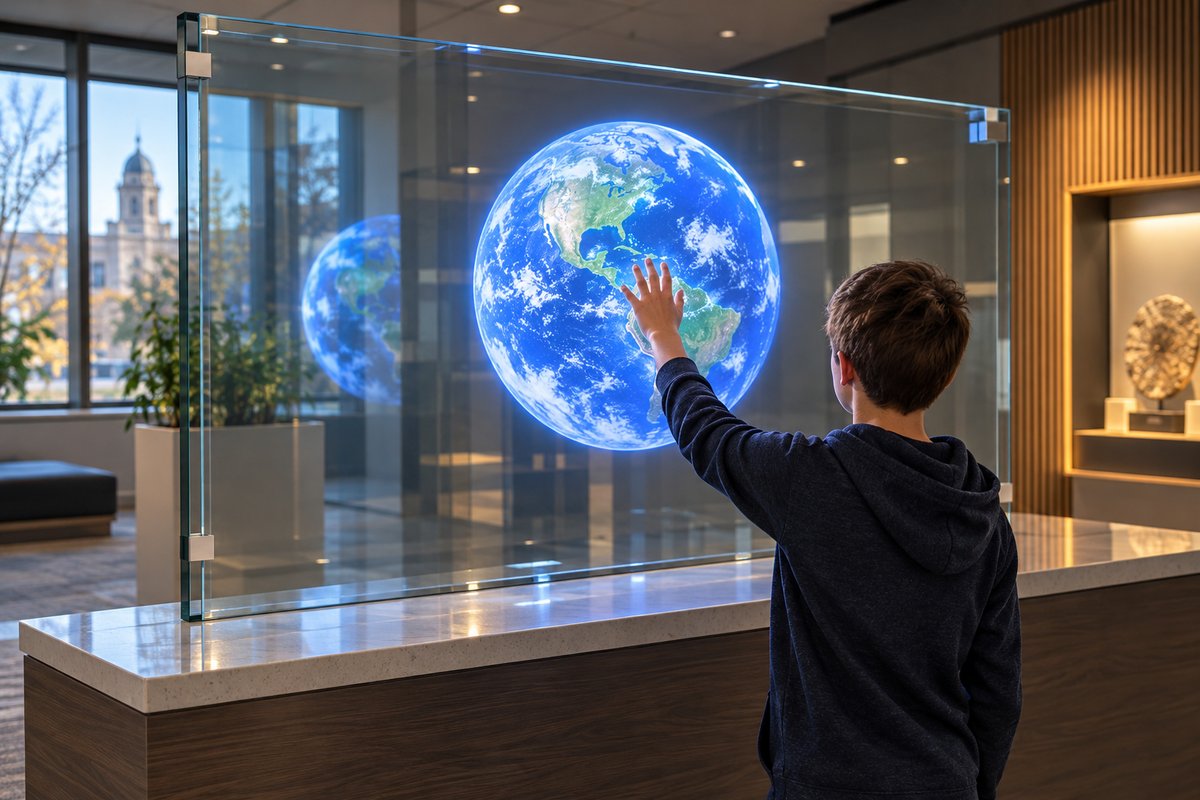
Use Intrigue film for dramatic, floating-image effects, popular in museum installations, technology showcases, and branded lobby entrances.
Order a sample kit to test film types directly on your glass or acrylic surfaces, with technical guidance to choose the best fit for your Massachusetts project.
Check the Mass.gov resource for updates on electric outages and plan your projection system’s power backup for confidence during Massachusetts storms.
Review Cambridge’s sign certification page for an example of common permitting processes for storefront and window overlays—local rules vary, so always check with the office in your city.
Massachusetts offers a diverse landscape for rear projection film—think bustling city blocks, historic shopping streets, campus atriums, and waterfront event spaces. In Boston and Cambridge, retail corridors and high foot-traffic areas benefit from eye-catching digital signage that can shift messaging seasonally or for special promotions. Projection films allow stores to stand out through winter snows, spring rain, or the fall rush, since they’re illuminated from behind and maintain visibility even at dusk or on overcast days.
Museums, science centers, and galleries across Springfield, Worcester, and beyond are ideal settings for projection films, bringing interactive or dynamic content to glass partitions and exhibit fronts without interrupting open sightlines. These flexible displays can highlight rotating exhibits, donor spotlights, or educational presentations, adapting as your programming changes.
Trade show and convention exhibitors often need temporary, high-impact visuals in venues like the Boston Convention and Exhibition Center. Rear projection film lets brands create booths with transparent or semi-opaque walls that double as digital displays—ideal for grabbing audiences in busy exhibit halls or event lobbies.
Because Massachusetts’ weather and daylight hours vary widely, sample kits let you check which film type suits bright summer days or dim winter afternoons before investing in large displays.
Careful onsite evaluation is important for lasting projection results in Massachusetts’ changing seasons. Sun angles, reflections from snow in the winter, and extended daylight in summer affect the ideal film choice—high-contrast films are often needed for street-facing windows while Accent or Intrigue films suit interior lobbies with more controlled lighting.
Consistent power is essential, especially in areas susceptible to outages during Nor’easters or summer thunderstorms. Checking the Mass.gov power outage resource is a helpful step for event planners and brands deploying projection installations.
Permit or signage requirements for window displays and digital overlays can vary significantly by city or town, and may change for historic districts or high-visibility streets. Always contact your local building or sign office before beginning a project; Cambridge’s Sign Certification is a good example of Massachusetts documentation you might encounter, but requirements are project specific.
Plan installation timing around both local event calendars and weather, allowing extra time to test, obtain permissions, and coordinate with AV specialists for the smoothest deployment in all four seasons.
Skipping the sample stage is a common mistake; films can look and perform differently based on your exact glass, ambient light, and projector placement. Always order samples and test them at the installation site before finalizing any material choices.
Keep in mind that projection films will not work when applied outdoors or on exterior glass facing the weather—they’re engineered for interior mounting only to avoid exposure and ensure optimal performance. Be sure your planned glass is accessible from inside.
Mismatching your film type to your typical light environment can result in faded or hard-to-see displays. For example, trade show booths with unpredictable ambient light may need Definition or DualView films, while private museum exhibits often benefit from Accent or Intrigue types for clarity and special effects.
Finally, remember that anti-glare film is only for reducing reflections on glass or screens, not for projection. For the best results in Massachusetts’ variable climates, consult with technical experts to confirm compatibility of your chosen film with your projector and glass type.
Rear projection film is a thin material applied to the interior surface of glass or acrylic. When paired with a projector placed behind the glass, it creates a visible image on the glass surface that can be seen from the front. This method is ideal for window displays, storefronts, and partitions that require bright, moving visuals without bulky hardware.
For high-traffic, street-facing retail locations in places like Boston, Definition or DualView films typically work best—these films provide enhanced contrast and readability in dynamic light conditions. Order a sample kit to test each film on your actual window and with your specific projector before making a final decision.
Yes. Rear projection films are custom cut to your provided dimensions for a seamless fit on virtually any flat glass or acrylic panel. Start with sample testing, then finalize your order for the precise sizes you need for your Massachusetts storefront, exhibit, or venue.
While a wide range of projectors are compatible, your choice of film and the ambient light conditions often determine the most suitable projector type. DualView films also work with short-throw or off-axis projectors. Technical guidance is available to help you match the right equipment for your installation and goals.
Always apply rear projection film to the interior (non-weather-facing) side of glass or acrylic, with the projector positioned in the protected area behind the glass. This maximizes both display quality and film lifespan, especially in Massachusetts’ variable seasons.
Rules about window and storefront signage, including projection film displays, vary by city or town in Massachusetts and may be more detailed in historic or dense districts. It is essential to check requirements with your local building, sign, or event office before beginning installation to ensure compliance.