01
Explore Application Possibilities
Pinpoint which windows, partitions, or acrylic panels could be transformed with rear projection film in your location—from urban storefronts to museum atriums or trade show booths.
Transform windows, partitions, and acrylic in North Carolina with custom rear projection film from Rear Projection Films, a division of Screen Solutions International.
Rear projection film turns ordinary glass and acrylic into attention-grabbing digital displays, transforming how North Carolina’s retailers, museums, trade show exhibitors, and corporate spaces communicate and engage. With custom-cut options and specialized films for different environments, you can enhance branding, provide visitor information, or simply stand out, regardless of seasonal lighting changes across the state’s diverse regions.
Rear Projection Films ships custom rear projection film, including frosted, high-contrast, translucent, and dual-sided options, to projects across North Carolina. From the innovation hubs of Raleigh-Durham and the bustling streets of Charlotte to convention centers in Greensboro and tourism districts along the coast, we enable projection installations that work for your unique setting. Explore sample kits to test films in your glass, with technical guidance available at every stage.
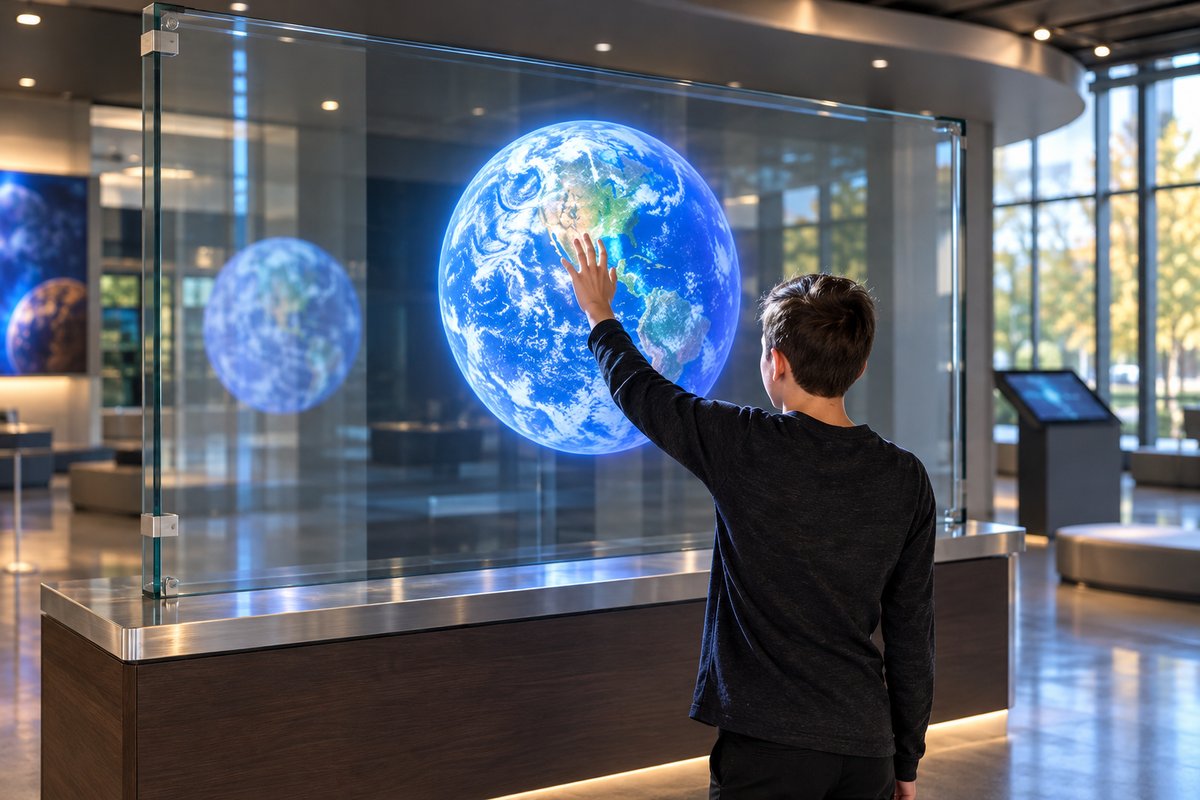
Pinpoint which windows, partitions, or acrylic panels could be transformed with rear projection film in your location—from urban storefronts to museum atriums or trade show booths.
Select and order sample kits to test different film types directly on your glass, assessing clarity and brightness under real light conditions unique to your North Carolina site.
After testing, consult with our technical team to choose the type, size, and cut for your rear projection film. Custom fabrication and shipping ensure a perfect fit for every project.
Engage foot traffic in Charlotte, Raleigh, and Asheville with storefront projection film that turns day lit glass into bright, dynamic visual merchandising surfaces throughout the year.
Install projection displays on glass partitions, exhibit windows, or inside lobbies at museums and attractions, creating interactive and informative visual experiences for guests.
Use custom-cut projection film for floating visuals at corporate campuses or display real-time content at convention centers and event venues statewide.
A versatile choice for glass or acrylic, ideal when you need to display crisp, bright content in moderate ambient light. Works across retail, public, and event settings where standard rear projection is desired.
Choose Accent film when a diffused, frosted look is wanted. This is excellent for storefront visuals in shopping districts or gallery spaces where even diffusion matters for both day and night visibility.
Select this dark gray film for high-contrast and vibrant images—perfect for installations in locations with high ambient light, such as sunlit lobbies, open plan offices, or trade show venues in NC’s convention centers.
DualView enables both sides of the glass or acrylic to display a projected image, ideal for window displays viewable from inside and outside, or for walk-around activations in atriums and open spaces.
Use Intrigue film for applications where you want translucent, floating visuals—great for installations that demand a subtle, ‘holographic’ look, like art displays, tech demos, or specialty retail.
Order a selection of sample swatches to test in your own lighting and glass conditions. This vital step ensures your chosen projection film works beautifully for your location before placing a full order.
Review this resource to identify the utility company supporting your area for electricity needs, new service requests, and power planning for projection installations.
North Carolina spans vibrant coastal cities, the Piedmont, and scenic mountain communities, each with unique daylight patterns and seasonal weather shifts. Retailers in beach towns like Wilmington face strong southern light in summer months, while Charlotte and Raleigh’s urban centers see a mix of morning and late afternoon exposure. These fluctuations make it important to choose projection films specifically suited to your location’s average sunlight and viewing distance.
Frosted Accent films offer a diffuse image in mixed lighting, making them suited to year-round retail displays, while Definition films are best for glass facing high-glare environments typical of sunny atriums or sunrooms. In trade show venues or museums with climate control and more consistent ambient lighting, you may have greater flexibility to use floating-image effects offered by Intrigue film.
Ordering a sample kit and testing each option under real site conditions is especially important in North Carolina, where humidity or condensation inside glass can fluctuate across seasons. Assess not just midday but also morning and dusk hours, when your display might reach peak visibility to pedestrians or visitors.
For projects in mountain areas subject to cool nights and seasonal condensation, always apply film to the indoors-facing side and evaluate how rapidly the glass moves between warm and cool. This prevents adhesion issues and helps maintain optimal visual clarity.
Any rear projection film installation will require a projector located behind the glass or acrylic, and therefore access to a reliable power supply. When designing installations for retail centers or event venues in North Carolina, it’s important to evaluate proximity to power outlets or plan for new drops, especially in older buildings or expanded lobbies.
Consult North Carolina’s recognized utility providers to identify the right point of contact for your property or venue—especially if you’re adding new signage or digital features that weren’t part of the building’s original plan.
Display regulations, including digital signage and window projections, vary widely by city, county, and property management. There may be limits on content, duration, or brightness, or you may need to submit your plan for review. Always check with your local building, sign, or event office to determine which requirements apply before starting design or installation.
If your activation is short-term (such as a pop-up exhibit or trade show), portable power solutions may be sufficient, but permanent installations benefit from a dedicated circuit. For events, coordinate with show management well in advance to secure suitable projector placement and power access.
Selecting too light or too dark a projection film without considering your actual lighting conditions is a frequent pitfall. Don’t rely on online demos; always test samples on your site’s glass and under various lighting times to accurately gauge visibility and image quality.
Attempting to apply projection film to exterior glass surfaces is not recommended for North Carolina’s climate. Films are always designed for the inside surface, protecting against rapid weather changes, humidity, and potential vandalism.
Inadequate projector selection or misaligned placement can compromise image clarity or leave sections of the film underlit. Technical guidance is available from Rear Projection Films to help you choose the right kind of projector and ideal placement for your chosen film and site geometry.
If you are new to digital display upgrades, consult local experts (such as AV integrators or sign professionals) with experience in projection film installations, or reach out to our team for planning assistance. Double-check all surface measurements and glass types before placing a custom order, since projection film is made to size and cannot be resized or reused once cut.
Rear Projection Films offers several film types: Accent for a frosted look, Definition and Definition Pro for high-contrast in ambient light, Intrigue for floating, translucent images, DualView for double-sided projection, and Ultra Clear for maintaining glass clarity. Your best choice depends on the location’s lighting and how visible you want your content throughout each season. Order sample kits to determine which suits your space in North Carolina’s variable climate.
Rear projection film is designed for smooth, clear glass or acrylic and must be applied to the interior surface. Before ordering, confirm that your panel is accessible, thoroughly cleanable, and free of severe etching or coatings that could affect adhesion. Always test with a sample in your location’s actual lighting and viewing conditions for best results.
While the film accommodates most modern projectors, your space may require a short-throw or off-axis projector, especially for DualView or complex angles. Our technical team can offer guidance on selection and placement—the main requirement is that the projector can be securely installed behind the glass and properly aligned with the film’s position.
Requirements differ across North Carolina cities and counties, especially regarding digital window signage or displays facing public areas. Some districts may require permits for signage changes, even indoors. Always check with your local building, sign, or business office before proceeding with film installation or public operation.
Order a projection film sample kit and apply swatches to the intended glass surfaces. Test with your projector during different times of day—especially at peak daylight and evening—for an accurate preview of image quality in North Carolina’s seasonal conditions. Choose the film that delivers your target clarity and contrast.
Projection film is cut to your specified sizes and shipped from our California office to North Carolina. Technical guidance is available at any project stage, from film selection to advice on projector placement. If you need local hands-on help for installation, consider working with a regional AV integrator or display professional.