A Practical Guide to Rear Projection Film in El Paso: Sizing, Setup, and Approvals
Ready to create a striking glass projection display in El Paso? This guide covers choosing accent rear projection film, sizing it to your window, planning projector brightness for Texas daylight, and managing city permits and power in busy retail or visitor-facing locations.
Why Accent Rear Projection Film Stands Out for El Paso Display Projects
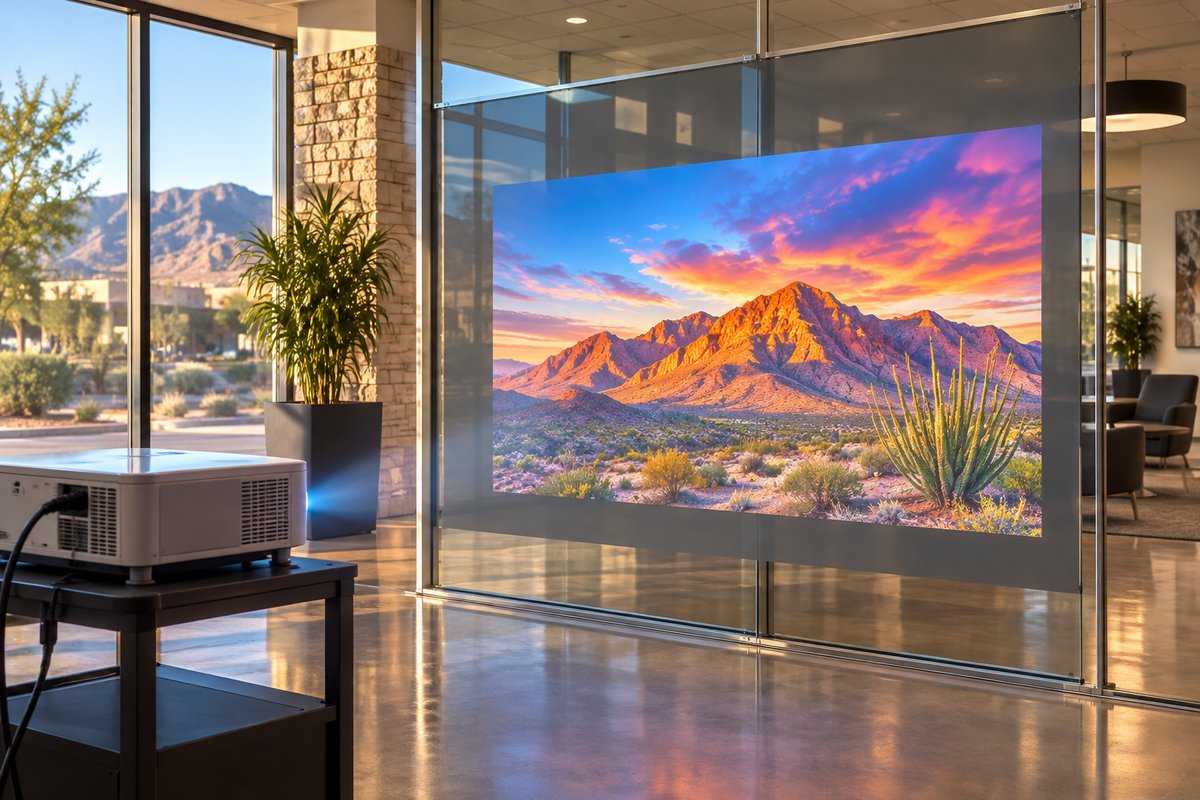
El Paso’s vibrant mix of retail districts, museums, and event venues offers creative opportunities for high-impact glass projections. Accent rear projection film is a versatile, frosted white solution from Rear Projection Films (a division of Screen Solutions International), built to turn storefront windows and glass surfaces into bright digital displays that catch the eye even amid busy city traffic.
Designed for general-purpose rear projection on glass or acrylic, Accent applies to the inside of your window or partition. This protects the film from outdoor dust and weather fluctuations, key considerations in El Paso’s sun-filled, sometimes windy environment. For glass storefronts and museum entries that need a clean aesthetic but demand daytime performance, Accent delivers practical balance, and you can always order sample kits to evaluate results before committing.
Alternatives like Definition film (for higher-contrast needs), DualView film (for two-sided viewing), and Intrigue film (for floating images) round out the options for specialized El Paso installations. Technical guidance on selection and integration is available to help you find the right fit.
Measuring and Sizing Your Rear Projection Film for Glass
Accurately sizing your projection film is essential for a seamless installation, whether you’re working with a downtown storefront or an interior glass wall at a convention center. Rear Projection Films cuts rear projection film to your custom dimensions, so double-check your glass measurements before ordering. Measure both height and width of your glass pane, accounting for any frames and the precise display area you plan to use.
For optimal visual impact, select a film size that matches or is slightly smaller than the intended projection area. This reduces shadowing from projector overspill and ensures clean edges. When designing window displays in busy retail corridors or museum lobbies, align your film so all content fits comfortably within the boundaries defined by your glass and frame.
If your project involves unique shapes—or if you plan to cover curved or custom-cut panels—Rear Projection Films can further tailor the film to match. Order a sample size in your intended dimensions to test fit and visuals on your actual glass, minimizing surprises on installation day.
Choosing Projector Brightness for El Paso Sunlight
El Paso’s high desert setting means long periods of strong, direct daylight—especially in storefronts facing east or west. Matching your projector’s brightness to daylight conditions is key for a clear, vibrant image. While Accent rear projection film diffuses light to create even visuals, the amount of ambient sunlight directly impacts your display throughout the day.
Before investing in a projector, assess your site’s real lighting at the times you expect to run your projection. Take note of how the sun crosses your facade, observe reflections, and see how interior lights affect visibility. EPZ Weather Forecasting Office is a handy resource for checking average daylight hours and intensity so you’re not surprised by daily changes.
For spaces with consistently intense sun—like the glass doors of a prominent shopping center—it’s worth considering a high-contrast option such as Definition film. For general retail and visitor center use, Accent’s balanced diffusion works well, but testing with projection film samples in your real El Paso site is the best way to verify performance. Technical guidance is available if you’re not sure which film will thrive in your specific lighting conditions.
Planning Electrical Power and Projector Placement
Projection displays require reliable power and safe equipment placement—especially in busy retail environments or event venues. Before installation, assess your glass wall or window for accessible power outlets and safe cable routing options. Keep projectors in secure locations shielded from customer traffic, dust, and excessive heat, all of which can be concerns in popular El Paso districts.
If your projector setup will operate during off-hours or special events, coordinate with on-site facilities teams to confirm circuit load capacities and ensure no accidental shutoff. When hosting a temporary display for a trade show or museum program, portable power options might be considered, but always confirm your setup with both your internal team and local authorities. El Paso Outdoor Lighting Code provides useful background on outdoor display lighting and power use in public-facing locations.
Short-throw projectors can reduce required space behind the glass, especially for kiosks, but make sure any mounts or stands accommodate cooling airflow and safe operation under El Paso’s regional temperatures. If your site faces afternoon sun or has limited ventilation, monitor projector temperatures and stage short tests before launching your display full-time.
Mounting the Film: Tools and Site Considerations
Accent rear projection film is applied to the interior surface of glass or acrylic. Begin by cleaning glass thoroughly to remove dust and oils, as even minor residue can affect adhesion and image clarity. Installation is often easiest with two people: one to handle the film and another to align and smooth it free of bubbles or creases.
For multi-panel storefronts or convention booth glass, plan your layout in advance, marking the precise area to avoid overlap and ensure straight seams. Use a soft squeegee to apply the film evenly, and take your time with larger panels—precision at this stage pays off later with a professional-looking finish. If you’re testing the fit or clarity, start with a projection film sample cut to your exact glass size to visualize final results in El Paso daylight.
Always check the mounting guides for each product. For unique projects—like curved lobby glass or displays facing opposing traffic—ask for technical guidance to select between standard Accent, DualView film, or specialized finishes that best match your technical requirements and creative goals.
Understanding Permits and City Regulations for Projection Displays
Local permit requirements can vary widely based on placement, duration, and whether your display faces public walkways or stays inside a private lobby. In downtown El Paso or event districts, some projection displays on windows or glass walls might require authorization, especially if visible from the street or installed in public right-of-way. It’s your responsibility to check before you install.
Start by visiting the About Special Events page in the City of El Paso Planning & Inspections office for guidance on installations that may overlap with public property or require special event permits. Details can depend on your display’s hours, projection type, and mounting method—all of which should be outlined in your project plan when making an inquiry.
If your installation involves outdoor signage, ask about related rules in the El Paso Outdoor Lighting Code to stay on the right side of glare and brightness regulations. Checking these details early in your planning process helps avoid interruptions during key retail periods, exhibition runs, or museum events.
Balancing Display Impact with Texas Heat and Weather
While Accent rear projection film is applied on the inside of your glass—shielding it from direct rain or dust—El Paso’s climate still factors into every projection project. Thermal expansion of glass, rapid daylight changes, and dust storms are all local realities. Sample testing on-site remains the best way to see how the film performs under your exact environmental conditions.
Your projector’s sensitivity to heat is another important factor. If possible, keep hardware away from direct sunlight or insulated glass that amplifies interior temperatures. Check local weather forecasts before any installation or event to anticipate conditions that might require additional cooling or short-term shutdowns to protect your display equipment.
When you test a projection film, observe both image quality and whether surface temperature of the glass or film changes during daylight use. For events or installations exposed to extreme conditions, technical guidance from Rear Projection Films can help you match film type and mounting strategy to your location’s needs.
Accent Film Options for Every El Paso Setting
Accent rear projection film is engineered for a wide range of glass surfaces, making it ideal for El Paso’s blend of retail, cultural, and corporate spaces. General retail windows benefit from Accent’s frosted white finish, which yields clear and bright digital messages. For lobbies and galleries with changing lighting, experimenting with projection film sample kits lets you compare Accent with Definition film or DualView film for special viewing situations.
Accent works especially well on glass and acrylic panels in campuses, convention and trade show venues, and museum entryways—spaces common in El Paso. Remember, the Accent film is not a glare-reduction product and should not be used as an anti-glare film. For installations that will be viewed from two sides or in immersive environments, DualView films offer flexibility. For ultra-minimalist displays, explore Intrigue film or ultra-clear options to retain a floating or transparent effect.
All films are custom cut and shipped from Rear Projection Films’ California office. Technical guidance is available to help with selection, sizing, projector choice, and installation details for your El Paso site.
Rear Projection Film FAQ for El Paso Installations
How can I tell if Accent rear projection film is right for my space?
Consider Accent if you want a versatile, bright projection on glass or acrylic in settings such as retail display windows, museum lobbies, or convention booths. Testing a sample kit in your actual El Paso lighting lets you see if Accent meets your needs, or if a high-contrast or two-sided film is a better fit for your project’s lighting or traffic patterns.
What is the best way to prepare glass for rear projection film?
Thoroughly clean the glass to remove any residue, dust, or oils. Plan for at least two people to handle larger film panels and take your time to smooth the film for a seamless finish. For advanced mounting, consult with technical support to confirm proper materials and steps, especially for complex glass installations.
Are permits or special approvals required for projection films in El Paso?
Permit needs depend on whether your display is temporary or permanent, public-facing or interior, and how it’s integrated into your building or event. Always check with El Paso Planning & Inspections or your local office to confirm rules for signage, event displays, and window installations.
Start Your El Paso Display Project with Rear Projection Films
Accent rear projection film can transform glass storefronts, museum entries, and convention displays throughout El Paso’s retail and visitor corridors. From measuring and test-fitting to understanding power, lighting, and local requirements, planning ahead ensures success. Ready to explore the options?
or contact Rear Projection Films at 888-631-5880 or ssisales@ssidisplays.com for technical guidance and custom project planning.