
A Practical Guide to Rear Projection Film Displays in Houston
Plan a rear projection film display in Houston, TX. Learn how to size Accent film for glass, prepare for local daylight, select projector brightness, and navigate regulations.
The Role of Rear Projection Film in Houston’s Diverse Spaces
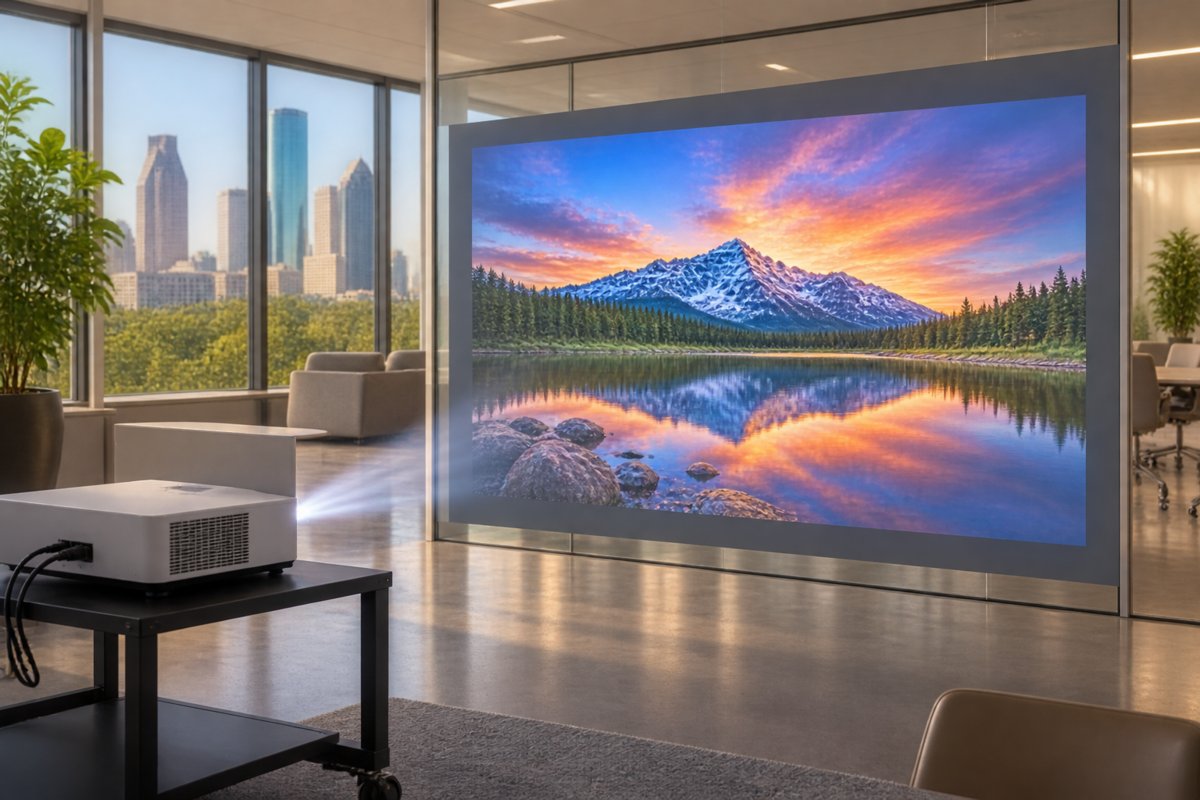
With its dynamic retail centers, renowned museums, buzzing convention events, and cutting-edge corporate environments, Houston offers countless opportunities for glass-based projection displays. Accent rear projection film is specially designed to turn storefront windows, glass partitions or acrylic panels into brilliant screens. Retailers, attractions, and AV teams in Houston can use Accent to create eye-catching content visible even on sunny days, or opt for specialized alternatives like Rear Projection Definition Film or DualView Projection Film when conditions or project goals call for something different. Planning a display takes careful consideration of city permit processes, power logistics, and Texas daylight realities—but the impact can be striking, from a Midtown storefront promotion to an interactive museum kiosk in the Museum District.
Rear projection film from Rear Projection Films, a division of Screen Solutions International, is custom-cut to your glass and serves both temporary and long-term needs. While Accent is frosted white for general-purpose use, other options—such as darker Definition films for higher contrast in brightly lit spaces, or Intrigue for ethereal floating visuals—are worth exploring if your environment poses unique challenges. Custom sizes and sample kits are available to help Houston’s planners, designers, and AV integrators make the right selection for their site.
Before starting, review your goals: Will your projection be at street level in full daylight, inside a large atrium, or on trade show glass in the George R. Brown Convention Center? Local context determines not just which rear projection film is best, but how it should be installed, powered, and permitted.
Sizing Your Rear Projection Film for Houston Glass
Houston is known for its mix of modern high-rise glass, artful museum frontages, and bustling, walkable retail environments. Whether upgrading a corporate lobby or building an experiential window display in the Galleria area, accurate sizing is essential. Rear projection film should always be custom-cut to precisely fit your glass or acrylic. Measure each pane or panel with care, accounting for visible mullions and any mounting hardware, since rear projection film should not overlap seams or obstructions.
Accent film is ordered by the exact dimensions you need. For multi-panel displays or large video walls, coordinate measurements for each section. Remember that edges should be discreet, minimizing visible gaps or overlaps. Consider how close passing traffic or customers will be—larger, seamless displays are more immersive in high-footfall zones, while tighter cuts may suit conference rooms and smaller street-level glass areas.
If you’re unsure how different films will look in Houston’s climate or lighting, request a projection film sample kit. Physical samples help you preview performance before making a full order and ensure the selected product suits your unique glass and aesthetic needs.
Projector Brightness and Houston’s Daylight Challenges
Houston’s climate, with bright sun, high humidity, and frequent weather changes, presents unique challenges for visible rear projection displays. Storefronts facing south or west often require brighter projectors, especially at midday when sunlight is intense. Reviewing the NWS Houston forecast can help you plan for peak sun angles or seasonal shifts, so you know when natural light will be most challenging.
Accent rear projection film is engineered to diffuse projected light for uniform brightness on glass, but selecting the right projector strength is still essential. For window displays in particularly sunny locations, consider pairing with blackout blinds or using Definition films if sunlight regularly hits the glass. Test different setups with a sample kit: observe from your intended viewing angles at various times of day, and experiment with projector placement to minimize hot spots or faded images.
Invest in a projector with adjustable brightness and test how your content looks as Houston’s ambient lighting changes. For highly variable environments, DualView or Definition Pro films can offer higher contrast for critical installations. Each site is unique, so observing real-world performance is the best way to ensure your message stays visible, rain or shine.
Planning Power and Projector Locations for Houston Installations
Projection displays require careful consideration of power access and cable management. In Houston’s blend of vintage buildings and modern spaces, locating outlets close to the rear of the glass may require advanced planning—especially in historic retail districts or newer mixed-use towers. Evaluate existing power circuits, and if you need additional outlets or longer cable runs, consult with a local trade or building professional. The City of Houston’s Permit Portal has information on processes for any new electrical installations you might require.
Projectors must be positioned behind the film, hidden from direct view in public-facing areas. Plan for secure mounting points: ceilings work well when wall or pedestal space is limited, but ensure ventilation to manage heat (important during Houston’s sweltering summers). For retail windows, ensure equipment does not block merchandise or traffic. Temporary displays, like those at trade shows, have different needs and may require portable projector mounts or specialty AV carts.
Think about control and automation. In some environments, integrating your projection system with store lighting or central AV control allows easy adjustment for day and night use—important for high-traffic Houston venues that operate around the clock, such as museum entrances or Galleria boutiques.
Choosing the Right Rear Projection Film for Your Houston Display
Accent rear projection film is the primary choice for most general-use displays, offering a bright, frosted white appearance visible from the viewing side of the glass. It works well for branding, interactive visuals, and digital signage in lobbies, stores, and event venues. Accent is custom-cut and ships from California, so it can be tailored to any Houston glass surface, whether standard or creative architectural shapes.
If your glass faces strong daylight, has challenging viewing angles, or if you need high-contrast visuals (like text or technical graphics) during the day, Rear Projection Definition Film or the even higher-contrast Definition Pro may be a better fit. For environments where audiences can view both sides of the glass—such as central museum vitrines or booth dividers—consider DualView Projection Film (also suited for short-throw or off-axis projectors) to engage visitors from either direction.
Creative installations in science centers or art museums might want floating visuals: Rear Projection Intrigue Film creates transparent imagery that appears to float on glass. For scenarios where maintaining the original transparency of the glass is vital, explore Ultra Clear or Clear films. Notably, anti-glare films are not projection surfaces; they are used solely to reduce reflections.
Mounting Your Display: Houston’s Installation Tips
Proper installation ensures your rear projection film looks seamless and stays securely in place, whether in a high-rise downtown or a Rice Village retail storefront. Films are typically applied to the inside face of clean, flat glass or acrylic, protecting the display from Houston’s outdoor conditions. Meticulous surface cleaning ensures long-term adhesion and prevents bubbles or dust from compromising the image quality.
Depending on your setup, rear projection film can be installed edge-to-edge or with a deliberate border for framing. For larger, multi-panel installations, consider professional help from AV integrators or general contractors familiar with glass film application. If using heavy or large panels, verify that structural supports and mounting brackets can handle the weight of both glass and projectors, and plan for maintenance access if regular cleaning or adjustments are required.
During public events or temporary exhibits—common at the George R. Brown Convention Center or local trade shows—secure film applications minimize risk of tampering or damage. For permanent installs, ensure your method complies with any building requirements and test your content regularly under local lighting conditions.
Signage, Window Permits, and Houston Regulatory Considerations
Houston has clear processes for updating window signage, event installations, or architectural features. Requirements vary by project location and the type of display, so always check with the City of Houston via the Permit Portal. Some installs may require reviews for signage, building alterations, or electrical connections, especially if you’re introducing a new tech element into a historic or regulated property.
For temporary event installations (like convention booths or short-term exhibits), permit requirements may differ from those for permanent retail applications. Electrical approvals, occupancy guidelines, and mounting hardware all influence the process. Talk with your site management and reference the official portal to find out what forms or plans you may need to submit. Each project in Houston is unique, so requirements and timelines will vary.
It’s also smart to coordinate with building management, especially in mixed-use towers, shopping centers, or museum complexes. Doing so ensures a smooth installation process and avoids interruption from compliance checks, local business associations, or special events happening outside your display window.
Planning for Houston’s Weather, Heat, and Maintenance
Houston’s combination of bright sunlight, heat, humidity, and occasional storms makes it essential to plan not just for initial installation, but ongoing maintenance and clear display visibility. Projectors should be installed where they are protected from direct sunlight and have adequate airflow—prolonged heat exposure can affect performance. The glass itself, with rear projection film applied inside, needs cleaning only with mild, non-abrasive solutions, and regular dusting to ensure optimal image quality.
Since ambient light can change dramatically with cloud cover and time of day, using information from the NWS Houston forecast is helpful when testing sample content or planning operational hours. For displays in hurricane-prone areas or exposed locations, always follow local guidance on securing glass and powered equipment during severe weather.
Finally, periodically check that projector alignment and lens focus remain unchanged—public venues, busy retail windows, and school campuses can experience bumps or adjustments from cleaning teams or passing traffic. Keeping an eye on your display ensures consistent engagement and minimal downtime, keeping your Houston projection film front and center.
Frequently Asked Questions About Rear Projection Film in Houston
How do I choose the right projection film for my glass in Houston?
Consider your setting, ambient lighting, and traffic patterns. The general-purpose Accent rear projection film works for most storefront and corporate glass, while Definition Film or DualView may suit high-brightness or two-sided viewing needs. Testing with a projection film sample kit is the best way to preview results.
Do I need a permit to install rear projection film in Houston?
Permit requirements depend on your building, location, and installation details. Always check with the City of Houston Permit Portal and coordinate with property management before installation.
How do I keep my projected content visible during Houston’s sunny days?
Use a projector with adjustable brightness, plan for the sun’s direction using the Houston weather forecast, and test film samples at different times of day. Consider higher-contrast films or supplemental shading as needed.
Ready to turn your Houston glass into a vibrant screen for branding or engagement? Request a projection film quote or connect with Rear Projection Films (SSI) for technical guidance and custom ordering.
- Accent Rear Projection Film
- Rear Projection Film
- Rear Projection Definition Film
- DualView Projection Film
- Rear Projection Intrigue Film
- Projection Film Samples
- City of Houston Permit Portal (permitting and regulations)
- NWS Forecast for Houston TX (daylight and weather planning)