Unlocking Real-World Impact: Rear Projection Film Displays in North Carolina
Explore how rear projection film transforms North Carolina storefront windows, museums, lobbies, trade shows, and events into dynamic, eye-catching displays. See example film types and tips for testing in real conditions.
Transforming North Carolina Storefronts with Projection Film
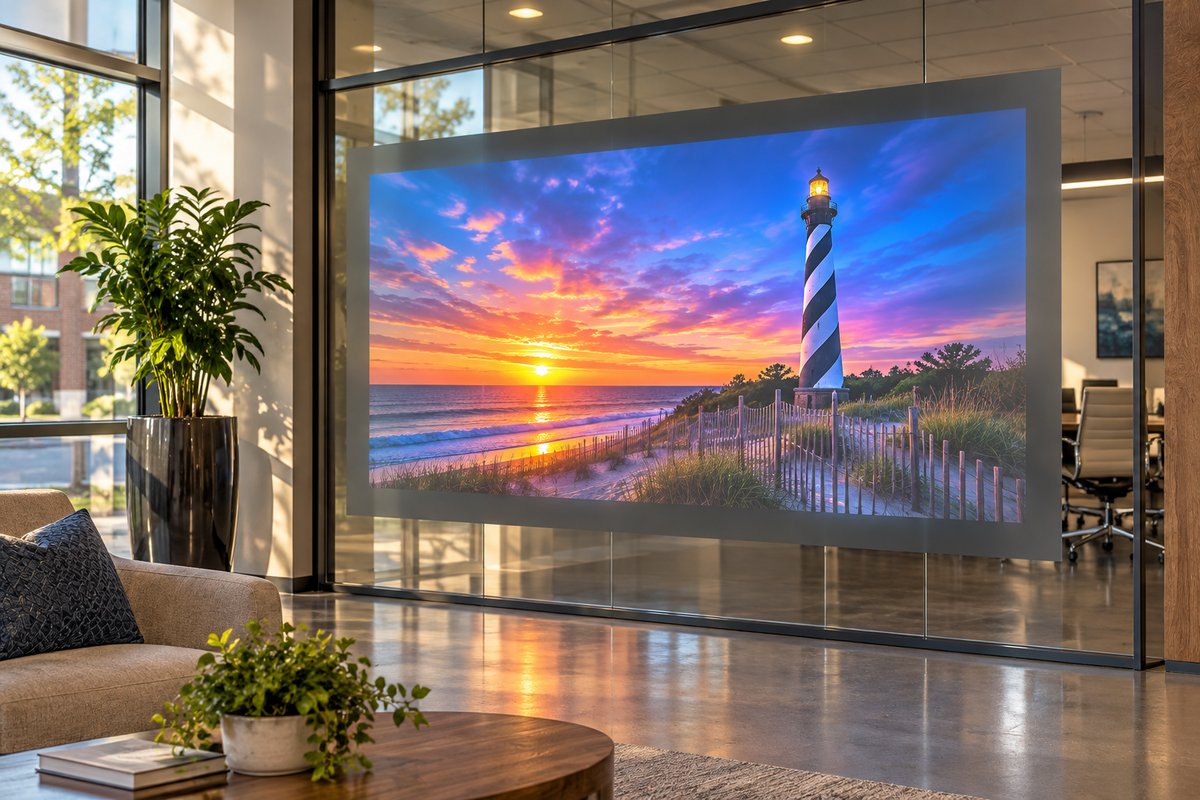
Across North Carolina’s bustling retail corridors—from Uptown Charlotte to Raleigh’s shopping districts—glass storefronts are a focal point for brand storytelling and customer engagement. With rear projection film, retailers can turn ordinary windows into vibrant, high-impact digital displays that grab the attention of passersby—even in broad daylight. The projection film adheres to existing glass or acrylic, while a projector, positioned behind the pane, lights up your chosen content in full color.
The versatility of Accent frosted projection film makes it an accessible solution for general-purpose window displays. Its soft frost effect enhances clarity and brightness—ideal for changing promotions, interactive touch experiences, or immersive branding that needs to stand out on busy city streets. Whether updating visuals for seasonal events or building a permanent display at a flagship location, Accent film is custom-cut to size for your project’s unique dimensions.
For retail teams planning ahead, ordering a projection film sample kit is highly recommended. This allows for onsite testing during different lighting conditions—morning, afternoon, and evening—ensuring optimal performance in the unpredictable North Carolina climate. For power or lighting modifications, retailers should review North Carolina’s major electricity suppliers for service planning and support.
Museum and Cultural Venue Innovation
Museums, visitor attractions, and science centers throughout North Carolina’s cultural hubs—such as Durham, Greensboro, and Asheville—are continually seeking new ways to engage and educate audiences. Rear projection film offers curators and exhibit designers a discreet, flexible medium for digital interpretation, wayfinding, or thematic storytelling on existing glass and acrylic features.
Definition high-contrast projection film is particularly well-suited for brightly lit gallery spaces or public lobbies. Its deep gray tint sharpens contrast, preserving image clarity and depth even with ambient daylight or gallery lighting. This technology creates unforgettable ‘digital windows’ for interactive learning, timelines, or immersive exhibit reveals that change with the program.
Since museum projects can vary widely in lighting, age of structure, or even historic preservation requirements, it is best practice to test projection films with sample kits before specifying a product for permanent installation. For guidance on integrating with existing electrical systems or planning upgrades, consult North Carolina’s utility information resources.
Trade Shows, Conventions, and Pop-Ups
From major convention centers in Charlotte to regional business expos in the Triad and Research Triangle, North Carolina’s trade show scene is both dynamic and sophisticated. Exhibitors are seeking ways to stand apart with portable, engaging displays that travel easily yet deliver high impact. Rear projection film applied to glass partitions, mobile screens, or acrylic kiosks brings messages and visuals to life right on the show floor.
The DualView projection film shines in convention and pop-up settings. This film supports two-sided viewing, making it possible to project different content toward visitors coming from either direction—maximizing visibility without doubling the technology footprint. Thanks to its compatibility with short-throw and off-axis projectors, booth designers can adapt setups to fit narrow aisles or open seating areas without shadows compromising image quality.
Event planners should be aware that venue regulations for signage and projection can vary. Always check with the local building or event office for permit and compliance requirements before installing new displays. Sampling different films with your own projector at the venue is an effective way to check brightness and visibility prior to show day.
Creating Impactful Lobbies and Briefing Centers
Across North Carolina’s corporate campuses and business parks, especially around Charlotte and Research Triangle Park, architectural glass is a feature of modern lobbies and briefing centers. Using rear projection film, these spaces can greet guests with dynamic branding, real-time company information, and motivational visuals all on existing glass partitions or reception windows.
The Definition and Definition Pro films are popular choices in areas with high daytime foot traffic or strong indoor lighting. Their enhanced contrast is designed to preserve crisp images and readable text even in bright, open spaces. The result is a seamlessly integrated, tech-forward look that leaves a lasting impression on visitors and staff alike.
For projects that aim to achieve a transparent or floating “hologram” effect, the Intrigue projection film provides a translucent, see-through display. This is especially striking when used for welcome messages, navigational cues, or interactive content accessible from both sides of a glass divider.
Temporary Installations for Events and Festivals
North Carolina’s event landscape is rich with annual festivals, local celebrations, and public showcases—from Raleigh’s street fairs to Wilmington’s waterfront happenings. Projection film offers event managers and AV rentals a creative, reusable solution for temporary messaging, sponsor displays, or public art installations on glass panels, pop-up structures, or festival kiosks.
Accent and Intrigue films are both flexible options for these short-term environments. Accent’s frosted finish provides high visibility for text and graphics, while Intrigue’s translucent properties create airy, floating visuals ideal for event branding or festival schedules.
If your activation is outdoors or exposed to variable weather, always remember that projection film is adhered to the inside face of the glass for best performance. Be sure to test samples with your projector in the actual event conditions, including ambient light levels throughout the day and night.
Kiosks and Digital Wayfinding
Whether deployed in shopping malls, airports, university campuses, or healthcare facilities across North Carolina, kiosks—and in particular those with glass or acrylic screens—can be enhanced with the right projection film. Interactive wayfinding maps, announcements, or touch-responsive directories can be projected directly onto glass surfaces, offering a clean and modern interface that’s easy to update with fresh content.
For projects that demand transparency when not in use, Ultra Clear or Clear rear projection films allow the glass to return to near full see-through when the projector is off. This is valuable in locations where maintaining natural light and open sight lines is important for security or aesthetics.
Project teams should order a sample kit to evaluate the visibility and clarity of different film types with the site’s own projectors before rolling out a full deployment. Technical guidance on film selection and projector compatibility is also available to help you meet design objectives.
Key Considerations: Power, Lighting and Compliance
Successful rear projection installations in North Carolina require thoughtful planning for electrical power, lighting design, and regulatory compliance. Before any installation, review the utility landscape at the North Carolina Major Utility Companies resource to confirm service arrangements, available voltages, and guidance for new or temporary electrical connections.
Lighting is crucial for display clarity. While Definition and DualView films are designed for challenging light conditions, always assess ambient light levels to ensure content remains striking at every hour. Consider spot or accent lighting to complement your projected content, especially in larger public settings.
Permits and compliance for signage, projection, and modifications to storefronts or historic buildings can vary widely by city and county. For your specific project, check with the appropriate local office using resources like the ones listed above. Requirements may depend on duration, location, type of structure, and use case.
FAQ: Rear Projection Film in North Carolina
Where can projection film be applied in North Carolina settings?
Projection films are applied to the inside face of glass or acrylic in retail stores, museums, trade shows, event venues, and corporate lobbies throughout the state. Typical uses include storefront windows, exhibit cases, glass walls, kiosks, and mobile partitions—anywhere a projector can be installed behind the display surface.
How do I select the best film for my display conditions?
Review your project’s location, ambient lighting, required transparency, and viewing direction. Accent film is a frosted, all-purpose option; Definition brings high contrast to bright spaces; DualView enables double-sided displays; Intrigue delivers floating visual effects on clear glass. Using a sample kit is the recommended way to test performance on site in your actual conditions.
Are there any requirements for power or permits?
Access to electrical power and compliance with local signage or building regulations are project-dependent. Consult the NC Major Utility Companies directory to identify the electric utility for your area and check with your local building, sign, or event office regarding permits for displays or modifications.
Get Started: Quotes, Guidance, and Samples
North Carolina businesses, institutions, and event planners can elevate glass and acrylic surfaces with projection films—customized to your vision and project requirements. Rear Projection Films, a division of Screen Solutions International (SSI), offers custom-cut films, technical advice, and sample kits to help you achieve the right display in your space. Film is cut and shipped from our California office, with support for customers across the U.S. and internationally.
Request a projection film quote today to explore options tailored to your next North Carolina storefront, museum, event, or campus installation.
Key Resources:
- North Carolina Major Utility Companies – NC Public Staff: Review for electrical service and power planning information.
- Projection Film Samples: Test before you buy