Real-World Applications for Rear Projection Film Across Massachusetts
Rear projection film empowers storefronts, museums, and venues across Massachusetts to transform glass into digital displays. See top applications and solutions tailored to local needs.
Transforming Storefront Windows in Massachusetts Retail Districts
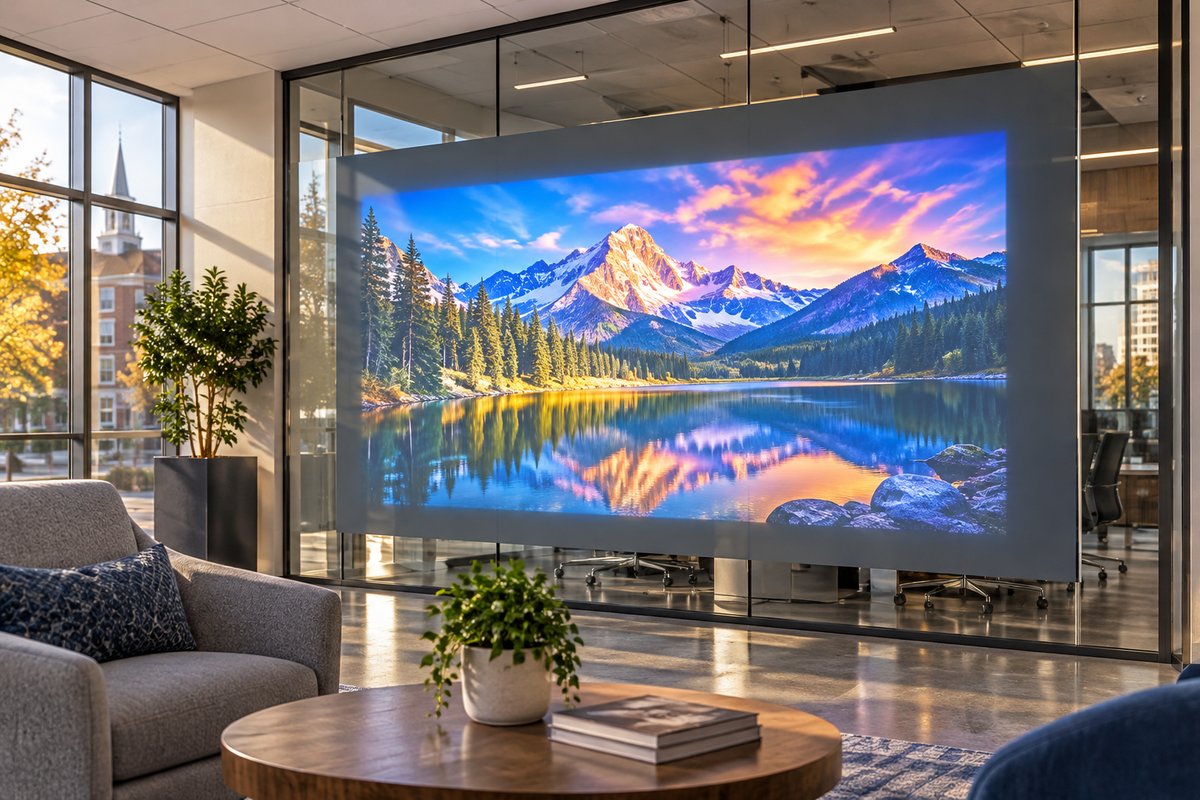
Retailers in Boston, Cambridge, Worcester, and busy town centers across Massachusetts are increasingly seeking ways to energize their storefront windows. Rear projection film offers a versatile solution, converting ordinary glass into eye-catching display screens—ideal for promoting specials, events, or interactive content. Whether you manage a boutique, coffee shop, or tech retailer, the flexibility to update visuals as quickly as your promotions change can set your window apart in a competitive local market.
The Accent projection film is particularly popular for general-purpose storefront displays, providing a bright frosted white surface that grabs attention both day and night. Storefronts with more ambient light, such as those that face sunlit sidewalks or are located in glass-heavy malls like those in the Back Bay or CambridgeSide, may benefit from the Definition film, which is designed for high-contrast visuals. These films are applied to the inside surface of the glass and illuminated from behind, allowing businesses to maintain security after hours while still drawing foot traffic.
Before installing, it’s essential to review local sign regulations. Requirements vary, so it’s wise to consult resources such as the City of Cambridge sign certification site to check if projected content is categorized as signage and what approvals may apply to your location. A sample kit is a practical way to verify performance throughout Massachusetts’ changing daylight conditions.
Interactive Museum and Exhibit Displays for Massachusetts Attractions
Museums and science centers, especially those in Boston’s cultural districts and around the North Shore, rely on engaging visual media to inform and inspire visitors. Rear projection film transforms glass partitions or enclosure panels into immersive interpretive displays without detracting from historic architecture or gallery flow. The Accent and Definition films are both widely used for interpretive graphics, digital timelines, and multimedia storytelling, supporting a range of projectors placed securely out of visitor reach.
Certain museum exhibits in Massachusetts call for a truly unique visual effect—like making artifacts appear to float behind glass or bringing hands-on interactives to life. The Intrigue projection film creates translucent, ‘floating’ images that spark curiosity and are ideal for science, technology, and modern art venues throughout the Greater Boston area. Because these films adhere to the inside of glass or acrylic, they also protect the projection surface from the heavy foot traffic common in busy institutions.
For temporary or mobile displays in museums, checking with local facilities management or building departments about power options and permitting—using sites like Power Outages | Mass.gov—can help ensure the installation is reliable and compliant throughout the exhibit’s duration.
Digital Welcome Walls and Presentation Surfaces in Lobbies
Corporate campuses, medical centers, and academic institutions across Waltham, Cambridge, and Springfield use glass-equipped lobbies as their first touchpoint for visitors and employees. Rear projection film allows teams to turn these glass partitions or dividers into dynamic digital welcome walls, wayfinding maps, or presentation screens—all without sacrificing an open, modern ambiance. With Accent film, content appears crisp and inviting whether the sun is shining or the Massachusetts winter skies are gray.
Sites that require higher contrast in bright, open lobbies often opt for Definition projection film thanks to its darker tint, which greatly enhances graphical clarity when overhead lights or windows add ambient glare. For areas where glass must remain see-through when not in use, Ultra Clear film keeps the partition transparent, blending seamlessly into the architectural design.
With technical guidance from Rear Projection Films, teams can explore projection options and custom sizing to fit anything from a small visitor check-in screen to a sweeping glass statement wall. As requirements for lobby signage and displays can be unique to each municipality, it’s always advised to check with your property manager or the local sign office linked above.
Trade Shows, Conventions, and Portable Kiosks Across the State
Massachusetts is home to major convention venues such as the Boston Convention & Exhibition Center and regional hotel spaces in Worcester and Springfield. Exhibitors and event producers are constantly searching for materials that allow their booths to stand out without adding bulk or logistical challenges. Rear projection film delivers an impactful, lightweight solution—turning temporary partitions, acrylic display boards, or glass walls into changeable screens without the need for mounted flat panels.
The DualView projection film is especially suited for these environments, enabling a projected image to be clearly seen from both sides of a glass or clear acrylic divider. This is ideal for open trade show aisles or double-sided kiosks, as it maximizes visibility without complicated rigging. The film’s compatibility with short-throw or off-axis projectors offers flexibility for diverse booth layouts common in Massachusetts venues.
When planning for events, it’s essential to assess power needs and backup arrangements, especially if working in venues prone to outages or with stringent electrical requirements. The Mass.gov power outage resource allows event planners to monitor local infrastructure and coordinate with venue teams for smooth operation. Sample kits help test the film’s performance under the unpredictable ambient lighting of convention centers and exhibit halls.
Brand Activations and Pop-Up Events in Urban Settings
From downtown Boston’s outdoor plazas to pop-up spaces in Somerville and quays along the Charles River, brand teams leverage rear projection film to create unforgettable interactive experiences. Films like the Accent and translucent Intrigue films make short-term installations immersive, delivering vibrant visuals onto glass partitions or event kiosks and attracting attendees in high-traffic urban environments.
These projection films are well-suited for mobile displays, event pods, or modular kiosks that need quick installation and easy removal. Teams can work with Rear Projection Films to custom-cut panels for unique event footprints, whether activating inside corporate atriums or along bustling retail promenades. All films are made for application to the interior surface of glass or acrylic, supporting clean, mess-free event breakdowns at the end of the night.
Before launching an activation, it is important to check city permit and signage requirements through official channels such as the Cambridge sign application page or your own local event office. Because power access may vary by location, teams should coordinate with property management and consult state electrical resources to ensure projections run reliably throughout the event’s schedule.
AV Integrators and Sign Companies: Flexible Solutions for Every Project
Audio-visual integrators and sign professionals throughout Massachusetts—from the Route 128 tech corridor to the Pioneer Valley—require adaptable, scalable materials for their clients’ projection needs. Rear projection film fills this niche by supporting custom sizes, unusual shapes, and various glass or acrylic substrates found in commercial, educational, and public settings. AV teams can specify anything from classic Accent film for general windows to DualView film for double-sided or interactive displays in high-traffic environments.
With a range that spans frosted white, ultra-clear, translucent, and high-contrast options, installation teams can fine-tune the end result based on ambient lighting, privacy needs, and the desired viewer experience. The films are applied to the rear (inside) of the surface, allowing teams to advise clients on how best to maintain them and keep the image surface protected from external conditions. Technical guidance is available on film selection, custom cutting, and projector compatibility, ensuring that integrators and sign companies can meet their clients’ unique needs.
Given Massachusetts’ strong focus on building and sign regulations, it’s recommended that project stakeholders review the Cambridge signage regulations or the corresponding city office for up-to-date requirements before specifying projection film as part of a larger signage package.
Testing Projection Films in Local Conditions Before You Buy
The diversity of settings across Massachusetts means that performance can vary from the Back Bay’s sunny corridors to the shaded interiors of historic galleries. Projection film samples are available for all major film types, allowing teams to test products on-site under real lighting conditions before full project rollout. This hands-on approach is especially valuable for storefront managers, exhibit designers, and AV integrators, as it helps ensure optimal color, contrast, and brightness.
Ordering samples provides the opportunity to experiment with layout, positioning, and projector placement, whether you are setting up in a walkable Cambridge retail strip or a suburban Worcester campus. By working with Rear Projection Films, you can access technical guidance for your specific film selection and glass setup, supporting a confident and effective final display.
Consulting state-level resources related to electrical reliability—such as Mass.gov’s power outage information—is also recommended for ensuring uninterrupted projection in venues where reliability is paramount.
Frequently Asked Questions About Projection Film for Massachusetts Venues
Where should the projector be placed for best results?
The projector should be positioned behind the glass or acrylic panel, pointing toward the rear-projection film’s application side. Depending on the venue’s layout, short-throw and off-axis projectors are supported by films like DualView. Sample kits can help you identify optimal placement in your real environment.
How can I tell which projection film is right for my storefront or event?
Choice depends on lighting, display goals, and viewing direction. Accent is a good general choice; Definition suits high-light spaces; Intrigue creates translucent, floating visuals; DualView is best for two-sided viewing needs. Samples are highly recommended for testing.
Do I need permits to install projection film on my storefront?
Permit and signage requirements differ by city, building, and project. Always check with local authorities or resources such as Cambridge sign certification for the latest guidelines before proceeding.
Get Help Selecting the Right Rear Projection Film
Whether you’re outfitting a retail storefront, museum gallery, trade show booth, or lobby in Massachusetts, rear projection film offers transformative visual possibilities for glass and acrylic. With custom sizing, technical support, and sample kits to test onsite, Rear Projection Films (a division of Screen Solutions International) serves clients statewide.
- Power Outages | Mass.gov – Monitor and plan for power needs at your venue.
- Sign Certification – City of Cambridge – Review signage and glass display permit considerations for your project.