Rear Projection Film Applications for Washington Storefronts and Attractions
Washington retailers, attractions and brands can turn glass into vivid displays with rear projection film. Explore real-world use cases and practical advice for choosing the right film solution by application, from bright lobbies to trade shows and convention centers.
Innovative Glass Displays for Washington Settings
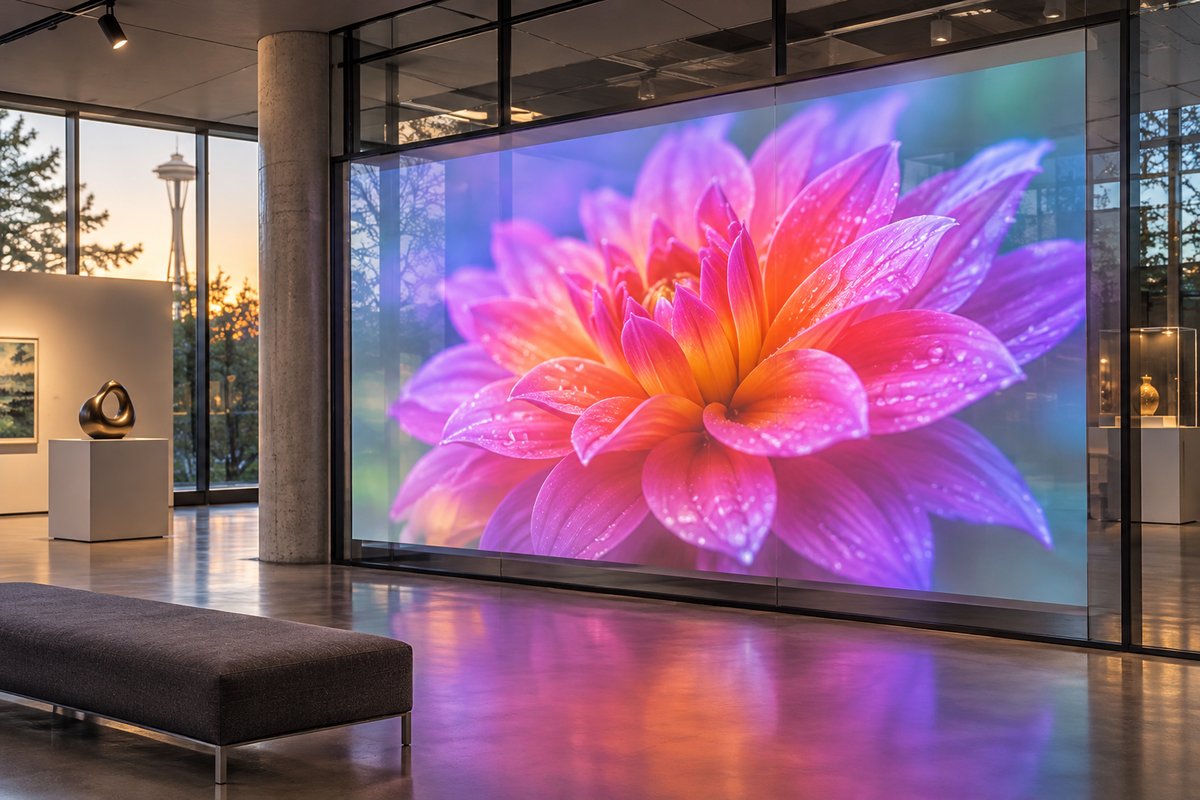
From bustling retail districts in Seattle and Tacoma to visitor attractions across Spokane and Bellevue, Washington businesses are increasingly turning to creative glass-based displays. Rear Projection Films, a division of Screen Solutions International, offers rear projection film technology that enables storefront windows, partitions, and acrylic panels to serve as bright, dynamic projection screens. These solutions are gaining momentum in spaces where visual impact brings higher engagement—think retail environments, trade show booths, museum features, and corporate facilities.
Projection films are specifically designed to be applied to the inside of glass or acrylic surfaces with a projector placed behind the display. This setup allows for crisp, high-contrast visuals in a wide range of lighting conditions common across the state’s climate. With custom sizes and sample kits available for testing, Washington teams can ensure performance in real-world light, glare, and room layouts before scaling up for final installation.
Careful planning is essential. For example, new or upgraded electric service may be required to accommodate display power needs. Washington projects can reference the Seattle City Light construction services office for guidelines on planning electrical connections for projection installations.
Retail Storefront Window Transformations
Storefront windows are valuable advertising space in cities like Seattle, Tacoma, Spokane, and Everett. With Rear Projection Film, glass and acrylic can become vibrant digital display surfaces. The frosted white Accent rear projection film is a versatile choice for retail because it diffuses projected light, delivers impactful images and video, and maintains privacy. This allows for bold promotions, sales events, and branding that can be easily updated by digital content rather than physical signage.
For retailers along bustling streets and shopping centers, choosing a projector location, checking for nearby power and considering local regulations are key steps. Requirements for signage and electrical work vary by municipality, so it’s recommended that project planners check with their local building, sign or event office regarding project-specific approvals or permits. Since the film is applied to the inside of the glass, it is protected from the weather, but final installation should always be tested first with samples.
High-traffic storefronts seeking maximum vibrancy in roomier window bays may trial Definition high contrast projection film, engineered for environments with high ambient light, to achieve deeper blacks and brighter color even during daylight hours.
Museum Galleries and Visitor Attractions
Museums, science centers, aquariums, and botanical gardens in Washington’s cultural hubs can use projection film to modernize galleries and enhance visitor engagement. With glass and acrylic clear partitions common in exhibits and ticketing areas, projection film enables creative content—animations, artifact showcases, and interactive displays—to appear where traditional screens can be intrusive or impractical.
The Intrigue rear projection film is a standout option for installations desiring a “floating image” effect. Being translucent, it creates the illusion of visuals suspended in air, ideal for special exhibits or wafting thematic imagery throughout dimmed galleries. Curators can test projection film samples on their own panels and evaluate visibility in the museum’s unique lighting before committing to a final design.
Some Washington venues experience varying seasonal light—from bright summer days to gray, overcast winters. For this reason, technical guidance is available from Rear Projection Films to help museums select the appropriate film and plan for adjustable projector brightness or positioning. Consulting the National Weather Service Spokane Forecast Office can inform planning for light and climate conditions, especially for glass installations exposed to daylight along a building’s perimeter.
Corporate Lobbies and Meeting Spaces
Modern office buildings and research campuses in Redmond, Bellevue and beyond are embracing the use of glass-walled lobbies and briefing centers. Glass partitions enriched with rear projection film elegantly display branding, welcome messages, and interactive directories. The Accent projection film is well-suited for general lobby and reception window displays; it delivers clarity and presence while fostering a sense of privacy between public and staff-only spaces.
In naturally bright lobbies, where ambient light can challenge display quality, Definition projection film is recommended for its high-contrast properties. Presentations, digital art, and wayfinding can remain easily visible throughout the daytime business cycle—even as sunlight levels shift due to changing weather or time of day.
Planning for new projection features in a campus environment may require upgrades to electric service or IT infrastructure. The Seattle City Light electric service application resource connects project managers with essential information for managing power supply and wiring in major metro and suburban districts.
Trade Show, Expo and Convention Applications
Washington’s convention centers and expo halls host major trade shows in Seattle, Bellevue, and Spokane. Competition for attendee attention is fierce, and dynamic glass displays offer a memorable way to showcase new products, live demos, and branded content. Rear projection film excels in temporary settings where glass or acrylic booth panels can convert to digital screens in minutes, without the size constraint of traditional monitors.
The DualView rear projection film is especially well-adapted for trade shows, as it allows content to be viewed from both sides. This means aisle-side and interior booth traffic can engage with displays at the same time—maximizing reach within limited floor space. The DualView film also works with short-throw and off-axis projectors, offering flexibility in diverse booth layouts and often avoiding the need for extensive rigging above the booth.
Event producers and AV teams can obtain projection film sample kits to test different options with their own trade show lighting and booth geometry. Sample trials are recommended because venue lighting and glass orientation vary. Always confirm facility regulations and electrical supply through the event or venue management office, as requirements may change depending on the event and facility.
Kiosks and Interactive Event Installations
Interactive projection kiosks and pop-up installations are popular features at festivals, science fairs, and corporate gatherings throughout Washington. Retro-fit glass or acrylic panels can be given new life as touch-enabled information stations, demonstrations, or exhibits. Rear projection film enables stunning visual effects and responsive interactive experiences that attract passersby—from children at a science center to adults at a business launch event.
For clear, see-through kiosk faces, Ultra Clear or Clear projection film enables unobstructed views when the projector is not in use. Intrigue film is excellent for placements requiring a “floating” effect, transforming interactive experiences with digital overlays while maintaining some sightlines through the glass.
For best results, test samples on the intended kiosk material, whether it’s glass or acrylic, before full rollout. Confirm nearby power sources and plan for responsible cable management by referencing guidance from the Seattle City Light for larger public event installations.
Practical Planning: Permits, Power and Conditions
Washington’s variety of building types and regulatory environments means every projection display project is unique. While rear projection film is applied to the inside of existing glass or acrylic, project teams should verify local requirements including signage rules, electrical upgrades, event permits, and building modifications. Requirements often differ by city or county in the state; consult your local building, sign or event permitting office for details.
Electrical planning for new projection features is a key component. Display installations large and small can reference the Seattle City Light electric service resource for guidance, or consult their own local utility. For installations that may be impacted by changing daylight or weather—such as displays near large windows—a consultation with the National Weather Service Spokane Forecast Office can help anticipate and plan for variable lighting and climate impacts.
Testing before installation is critical. Projection film samples allow Washington teams—from AV integrators to designers—to evaluate performance in real site conditions, including natural and artificial light in each setting. Rear Projection Films offers technical guidance for film selection and integration into your vision.
Frequently Asked Questions About Rear Projection Film
How do I choose the right rear projection film for my space?
Film choice depends on location, lighting conditions and your intended effect. Accent film works well as a general-purpose solution, Definition film is designed for high-light areas, DualView film shows content on both sides, and Intrigue film creates floating visuals. Testing with samples is strongly encouraged for Washington environments where weather and ambient light can vary.
Can projection film be used on exterior windows?
Projection film is applied to the inside of glass or acrylic surfaces, where it is shielded from the elements. For best results, rear projection setups should always be tested in your specific conditions with a projector positioned behind the glass. For guidance on visibility during different weather or daylight conditions in Washington, consult the NWS Spokane Forecast Office.
What technical guidance is available for new displays?
Rear Projection Films provides technical guidance to help with film selection, projector choice, and installation planning. Sample kits are available so you can evaluate the film’s performance before making a larger investment. For electrical preparation in stores, museums or corporate sites, see the Seattle City Light guidelines or contact your local utility.
Start Planning Your Rear Projection Film Project
Washington’s diverse settings—whether bustling storefronts in Seattle, museum exhibits in Spokane, or interactive kiosks at major convention centers—are well suited to the flexibility of rear projection film. Every project is custom and benefits from hands-on evaluation in real conditions. Samples and custom-sized films are available, and technical guidance is offered for AV teams, designers, and brand managers statewide.
Ready to bring your vision to life? Request a projection film quote today to get started on your Washington projection display project.
- Apply for New or Upgraded Electric Service – For planning projection display electrical supply
- NWS Contacts – Spokane Forecast Office – For weather and daylight planning during installation