01 · Plan
Assess Your Glass Display Area
Identify which windows or partitions you want to transform. Measure your glass and note how much daylight or interior light affects the area throughout Georgia’s changing seasons.
Bright, high-impact projection displays with custom rear projection film—designed for Georgia’s vibrant retail, museum, and events spaces.
Discover how to create head-turning visual displays on storefront windows, glass partitions, or acrylic surfaces with rear projection film across Georgia. Whether you’re lighting up a retail space in Buckhead, building interactive exhibits in downtown Atlanta, or setting the mood at a Savannah convention, these films help transform ordinary glass into dynamic messaging displays—day or night.
Rear Projection Films, a division of Screen Solutions International, offers a full lineup of projection films custom cut for your project, shipped from California and supported by technical guidance. Sample kits make it simple to see what works for your lighting, so you can design your display with confidence—wherever you are in Georgia.
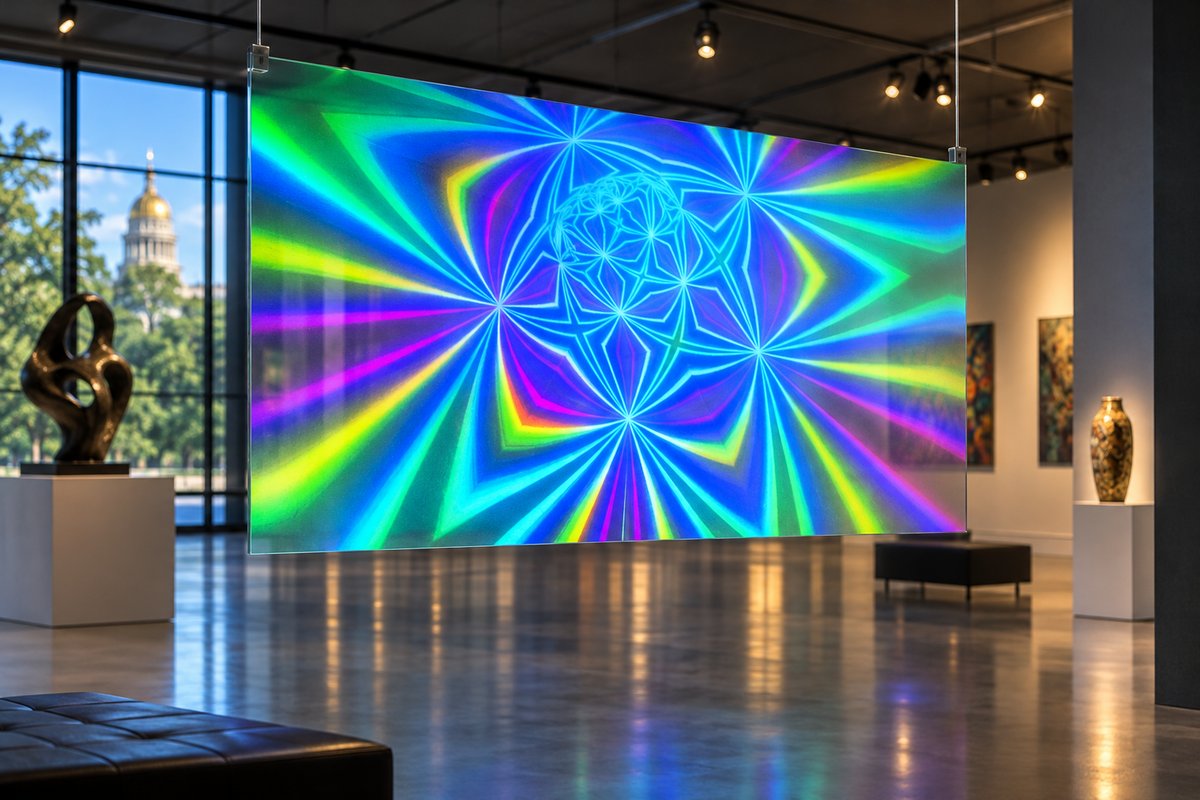
Identify which windows or partitions you want to transform. Measure your glass and note how much daylight or interior light affects the area throughout Georgia’s changing seasons.
Request a sample kit to try Accent, Definition, Intrigue, or DualView film directly on your glass in real Georgia lighting. Testing helps ensure the image suits your space and projector setup.
Once you’ve tested, order film custom-cut to your glass. Apply the film to the interior side and set up your projector behind the display for a dynamic result.
Georgia’s retail corridors—from Atlanta’s luxury districts to suburban shopping centers—use projection film to create attention-grabbing window displays, highlight promotions, or add interactive content.
Institutions use rear projection film for educational exhibits, digital storytelling, ticket counters, or to modernize lobby experiences. Films can adapt to bright gallery spots or subtly blend into glass partitions.
Portable projection film displays energize trade show booths, pop-ups, or hospitality events. Use DualView for extra impact in Atlanta, Augusta, or Savannah convention venues where visibility on both sides is valuable.
Ideal for straightforward projection needs across retail, events, and exhibits. Use on glass or acrylic partitions and transform them into vibrant display areas in any Georgia setting.
Pick Accent film for its frosted white appearance that diffuses light beautifully and hides hardware behind the glass. A great choice for welcoming retail storefronts or corporate lobby displays across varying Georgia daylight.
When ambient light is high—such as in sunlit showrooms, atriums, or well-lit museum spaces—Definition film delivers bold contrast. It helps your content pop even on bright Georgia afternoons.
Use DualView for displays seen from both sides, such as walkway windows or interior dividers. Supports short-throw and off-axis projectors, making it versatile for mall corridors or convention center entrances.
Choose Intrigue for an ethereal, floating-image effect. Perfect for museums, galleries, and retail spaces aiming for modern, see-through projection that feels high-tech and visually striking.
Order a sample kit to test films on your actual glass, at your location and in local lighting. Sample kits let you compare clarity, contrast, and impact before you commit.
Reference guidelines for adding or modifying electrical service to power your projector systems—essential when planning displays in new or renovated Georgia sites.
Check local Atlanta permitting requirements if you’re integrating projection film into permanent displays. Project approval, trade permit and inspection needs vary by location.
Consult Georgia’s National Weather Service office for seasonal forecasts and weather considerations—important for planning safe equipment placement near windows.
Georgia’s climate, with its hot, bright summers and mild winters, affects how window and glass displays look and function. Sunlight intensity can vary significantly between Atlanta’s skyscraper-lined streets and quieter suburban areas, making the selection of the right film vital for optimal viewing at all times of day.
In summer, storefronts across areas like Midtown or Buckhead may experience direct, intense sunlight—especially on south- or west-facing facades. High-contrast Definition film responds well in these cases, helping content stand out even with abundant daylight, while Accent film works beautifully for softer, frosted presentations that diffuse strong light.
Visitor attractions and museums often need projection film that both enhances content visibility and blends into the exhibit environment. Floating-image Intrigue film adds a distinctive modern touch to lobbies and interactive displays, while DualView film becomes essential for high-traffic spaces and open layouts where audiences approach from both sides.
Seasonal events, pop-ups, and festivals in cities like Savannah or Augusta leverage portable projection films for eye-catching displays that draw attendees. Whatever the season, testing sample films in the exact Georgia location and lighting ensures your display performs as intended all year.
Reliable projections start with a well-planned site. Most rear projection film installations use an interior projector, so you’ll need a nearby, stable power supply. Consult the Georgia Power New Service Construction Guide if you’re fitting out a new retail build, exhibit space, or repurposed storefront—always coordinate with a licensed electrician for new circuits or complex integrations.
Weather and climate, while more relevant for equipment and cabling than for the film itself (applied to the interior side of glass), are still important planning factors. If displays are near entry doors or high humidity zones, ensure all AV equipment is positioned for airflow and protected from condensation. Use weather forecasts provided by the local NWS office to time sensitive installs or choose robust mounting solutions.
Permit requirements across Georgia vary by city and by project. Permanent window displays and electrical additions may require building, sign, or trade permits. For temporary trade show setups or event installations, approval processes tend to be faster but still depend on local venue rules and jurisdiction. Always check with the relevant city or county office before you begin.
Rear projection film is not considered a structural change itself, but mounting and electrical work can bring additional review. Plan ahead and keep open communication with property managers or event coordinators.
A frequent oversight in projection film projects is neglecting to test the film in the actual light conditions where it will be used. Ambient daylight, building shadows, and the presence of tinted or coated glass all influence final image clarity and color, often in unexpected ways.
Another common issue is projector placement. For crisp visuals, projectors must be positioned directly behind the film—unless you’re using DualView, which allows for more flexible alignment, including short-throw or off-axis installations. Place the projector as far from foot traffic and direct sunlight as possible to minimize accidental bumps or glare.
Some teams mistakenly select anti-glare films in hopes of enhancing projection, but anti-glare films are not designed as projection surfaces. For best results, always apply rear projection film on clean, smooth, interior glass or acrylic; avoid surfaces with heavy texturing or moisture.
Finally, bypassing local code checks or skipping advance coordination with electrical and facilities staff can cause delays. Build strong relationships with your local planning office and always start with a film sample test before ordering custom sizes for your Georgia venue.
Film selection depends on your space’s natural and artificial light, glass type, and viewing goals. Accent offers bright, frosted diffusion for welcoming windows; Definition films provide strong contrast in spaces with lots of daylight; Intrigue suits floating, see-through effects; DualView works for views from both sides. Testing a sample kit onsite helps determine which film performs best for your unique site.
Rear projection films are designed for clean, smooth glass or acrylic surfaces. They also work on interior glass partitions and some clear plastics. For specialty, tinted, or textured glass, test a sample first to confirm adhesion and image quality. Textured or coated glass may impact viewing clarity.
Rear projection film is compatible with most digital projectors—standard, short-throw, or off-axis, depending on the film type and space configuration. Select a projector with brightness levels matched to your lighting conditions and viewing distance. Technical guidance on projector selection is available if you have questions about your specific project.
Rear projection film must be applied to the inside of glass or acrylic, not directly exposed to the weather. In Georgia, this means planning your display in windows, interior partitions, or covered vestibules. Always test film performance in your site’s lighting and environmental conditions using a sample kit.
Permit requirements for projection films, projectors, and electrical work depend on your project type, location, and the nature of your installation. Window graphics, signage, and electrical modifications may require approval from city or county offices. Always check with your local building, sign, or event permitting office before starting your installation.
Yes—projection films are available in custom sizes to fit your exact glass or acrylic dimensions. Rear Projection Films provides technical guidance on film selection, projector spec, and installation tips. Sample kits are the best way to start your project with confidence, ensuring compatibility and performance in your Georgia setting.