01 · Plan
Measure and Visualize
Assess your glass area and think about how your content will appear in natural Pennsylvania light—especially in spaces that shift from bright daylight to cozy evenings.
Convert storefront windows, glass partitions, and acrylic across Pennsylvania into brilliant projection displays with custom rear projection film.
Pennsylvania’s bustling cities, lively college towns, and vibrant cultural venues all share an abundance of glass—from ground-floor retail in Philadelphia and Pittsburgh, to glass-wrapped atriums at convention centers, to exhibit cases in museums from Erie to Allentown. Rear projection film lets you unlock the full potential of these glass surfaces by transforming them into high-impact digital displays, whether you’re promoting a brand, engaging visitors, or making an immersive corporate statement.
Rear Projection Films, a division of Screen Solutions International, ships custom-cut projection film for projects across Pennsylvania. With solutions suited for windows in historic downtowns, AV integrations in office parks, and portable event signage at trade shows, our films offer creative flexibility. Order sample kits to test in your actual light and climate before ordering full sizes, and get technical guidance on choosing film types and setting up your projection system.
Assess your glass area and think about how your content will appear in natural Pennsylvania light—especially in spaces that shift from bright daylight to cozy evenings.
Select sample films to apply on your glass or divider, testing projector placement and brightness during actual daylight hours, overcast afternoons or festival lighting.
Once you’ve picked the best film for your environment, order your custom-cut size and install on clean glass—your display is ready for audiences across the state.
Draw eyes on walking streets in Philadelphia, Pittsburgh, or Lancaster by turning display windows into high-brightness screens—perfect for seasonal promotions and foot traffic.
Create captivating, portable signage for Pennsylvania convention centers, expos, or local festivals with projection film on temporary acrylic panels or booth glass.
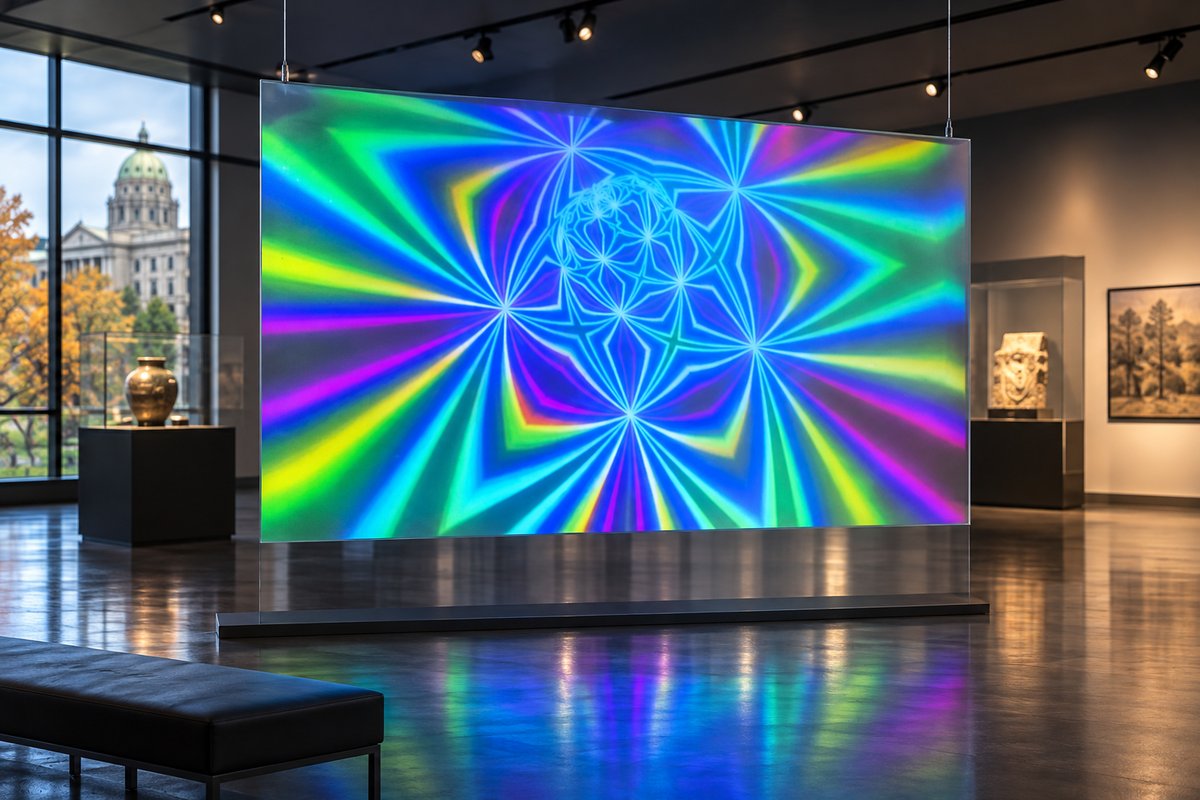
Enhance science center exhibits, museum displays, or corporate lobbies across the state with high-contrast or floating-image films for visitor engagement.
An all-round choice for most storefront, lobby, and exhibit glass. Suited for even light conditions, especially in Pennsylvania’s typical retail corridors.
The frosted white Accent film creates a soft, high-resolution image. Use it for general storefront windows, glass office partitions, or when privacy and ongoing content are needed.
Definition film is ideal for areas like sunlit atriums or glass close to street lighting, delivering crisp, vivid images even with challenging ambient light.
DualView film enables you to project and view from both inside and out—exceptional for high-visibility street displays, booths, or corridor applications where traffic approaches on both sides.
Intrigue film is the choice for museums or event spaces seeking a dramatic floating-image effect—with a translucent surface that works in low to moderate light.
If Pennsylvania weather or room conditions fluctuate, order various film samples for hands-on testing to find the perfect surface for your display and lighting needs.
Plan your projector power supply with PPL Electric, serving central and eastern Pennsylvania—including commercial zones and urban storefronts.
For special event installations visible to the public or in Philadelphia, reference guidance on permit requirements and required documentation.
Monitor official weather timelines for your projection event or install, vital for calibrating displays and scheduling high-traffic viewing times.
Seasonal climate and local event calendars are central to planning projection displays in Pennsylvania. Summers bring long, bright days—ideal for retail sidewalk engagement, street festivals in towns like State College or Bethlehem, or convention displays with large daylit lobbies. In autumn and winter, shorter daylight hours and the popularity of night festivals and holiday popups mean your film’s visibility and projector settings become even more important.
Historic main streets lined with boutique shops, sprawling malls in suburban corridors, and contemporary glass buildings in cities all invite creative uses for rear projection film. For example, year-round foot traffic in university quarters or art districts makes rotating promotions on window glass a prime opportunity. Trade show venues including those in the larger urban centers—Pittsburgh and Philadelphia—are well-suited for portable installations using custom-cut film on display panels or temporary acrylic sheets.
Corporate campuses and science centers across the state often opt for high-contrast film in glass-walled conference rooms or visitor lobbies to maintain image clarity despite interior and exterior lighting shifts. The right film type for your Pennsylvania venue depends on light levels, display purpose, and audience position, all of which can vary significantly by season and time of day.
Order several samples and run tests in the morning, midday sun, and dusk to observe how your content lands in real conditions unique to your site.
A successful rear projection film display requires reliable power for your projector. Many Pennsylvania venues, especially in older city centers or temporary outdoor locations, may have limited or aged outlets—verify access to power early in your project. If you’re operating in settings covered by PPL Electric Utilities, confirm capacity for your equipment, especially for permanent or high-use installations.
Weather has a direct impact on both your installation timing and display visibility. Mild and sunny days boost foot traffic and natural light, while overcast, snowy, or rainy spells in the state’s colder months may improve perceived contrast for certain films. Consult the local NWS forecast before planning setup or major campaigns—especially for street-level or festival applications.
Permitting for glass-based displays varies widely statewide. For example, projecting content viewable from streets or public spaces in Philadelphia may trigger special event or signage permit requirements. Always check detailed permit guidelines through city, event, or building management before scheduling an install or activation.
When in doubt, reach out for technical guidance from Rear Projection Films and confirm all local rules with the appropriate municipal office or venue.
One of the biggest mistakes is assuming that all glass surfaces and lighting environments are equal—Pennsylvania’s mix of cloudy days, older storefront glass, and newer high-reflectivity panels means how your film performs can differ block to block.
Failing to test with actual projection content and lighting leads to unexpected results. Always apply film samples to your glass area and use your intended projector under conditions that match your typical audience window. Don’t rely on photos or online examples, as the look of a film can shift dramatically with minor changes in ambient light or indoor/outdoor reflections.
Forgetting to factor in traffic or fire evacuation paths is another frequent oversight, especially at events. Place your projector and power sources where they won’t become a hazard or get unplugged by a crowd. In spaces with high humidity or wild temperature swings, ensure the environment will remain suitable for the film to adhere to the inside of the glass.
Lastly, never use projection film as an anti-glare solution—these films are for creating image displays, not simply cutting window reflections.
Rear projection film works everywhere glass or acrylic surfaces exist—storefronts in city retail districts, glass-walled lobbies, museums, convention centers, science exhibits, or event booths. It can be installed across towns and cities in Pennsylvania, as long as you have a compatible glass or acrylic surface and an accessible spot for your projector behind the film.
Consider your space’s ambient lighting, the desired viewing angle, and the type of content you want to show. High-contrast films are right for bright environments or outdoor-adjacent glass. Frosted films work best for general retail or offices, while DualView and Intrigue films offer unique effects for creative displays or high-traffic corridors. Always order samples to test different options in your real venue lighting before making a final selection.
Permit requirements vary by project and location. In retail storefronts or public-facing glass, especially in major cities like Philadelphia, you may need to consult with the local building, sign, or event office to determine if a permit or additional documentation is needed. Always check the latest regulations before installing or promoting a public projection display.
Projection film is applied to the inside of the glass or acrylic, protecting it from direct exposure to weather extremes. However, different seasons—and events like winter festivals or summer expos—alter the light entering the space. Test your film with actual projectors in both daylight and evening conditions for the most reliable results.
Order custom-cut film tailored to your project’s dimensions so there’s no unnecessary trimming or wastage. Projection film sample kits are available so you can test several film options on your actual site. This approach helps ensure you’re satisfied with the result before proceeding with full installation.
Projection film is designed to be applied on the interior side of glass or acrylic panels. It’s not engineered for direct outdoor exposure or exterior surfaces. Always install on the protected side facing your projector and audience, and use anti-glare films separately if glare management is a concern.