Ohio Guide: Rear Projection Film for Storefronts, Stores & Museums
Learn how businesses across Ohio can choose, size, and install rear projection film for glass storefronts, museums, and events. Explore products, daylight planning, and permit resources.
Getting Started with Rear Projection Film in Ohio
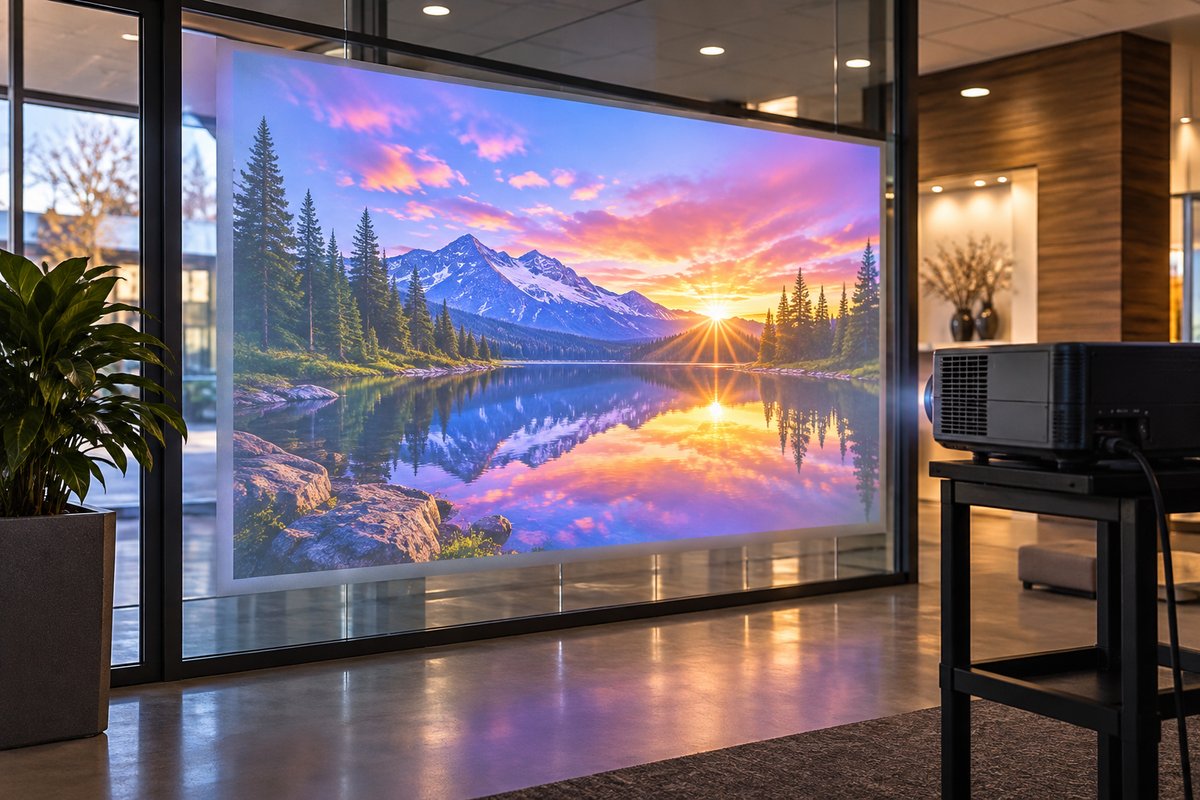
Turning glass storefronts and partitions into vibrant signage or interactive displays is a growing trend across Ohio’s retail, event, and attraction sectors. Rear projection film allows you to create dynamic visuals on any glass or acrylic surface by applying a specialized film and placing the projector behind the display. To achieve the best results, Ohio business owners, venue managers, and exhibit designers should take a practical approach: choose the right film type, size it accurately, plan for Ohio-specific lighting, ensure reliable power, and check for local permitting. This guide walks through each step, offering resources and technical guidance from Rear Projection Films, a division of Screen Solutions International.
Whether you are updating storefront messaging in Cincinnati, running convention exhibits in Columbus, or outfitting museum spaces in Cleveland, understanding the nuances of rear projection film deployment—plus available support and local codes—will help ensure your project’s success.
This article features the latest rear projection film products, sample testing strategies, and links to Ohio-focused resources for power planning, permits, and local weather factors.
Choosing the Right Rear Projection Film for Your Project
Selecting the proper rear projection film is crucial for achieving high image quality and visual impact in your Ohio location. Films differ in appearance, brightness, and how they handle ambient light—factors often affected by city lighting, storefront orientation, or indoor lighting conditions common across Ohio’s malls, main streets, and campuses.
Accent Film is a frosted white projection surface, making it an excellent general-purpose choice for main street stores or museum lobbies where a crisp, diffused image is desired. You can learn more about Rear Projection Accent Film and see if its classic look suits your setting. For rooms with strong daylight, such as Cleveland’s art venues or glass-walled convention centers, dark gray Definition films create higher image contrast. Explore Rear Projection Definition Film for these brighter environments.
If you are aiming for a floating image or see-through display effect on glass, especially suited to corporate lobbies or interactive exhibits, Rear Projection Intrigue Film offers a translucent finish. For stores or venues wanting visibility from both sides, DualView projection film enables signage readable from both street and interior.
Since every location’s combination of daylight, glass type, and viewing angle is unique, order projection film samples to test on your own glass before making a final selection. Technical guidance is available from our team at 888-631-5880 or ssisales@ssidisplays.com.
Custom Sizing: Fitting Projection Film to Your Glass
Getting the right fit is essential for seamless visuals and a clean installation—especially in Ohio’s diverse window and glass sizes, from downtown shopfronts to unique partitions in science centers. Measure your window or acrylic dimensions carefully, noting any mullions, frames, or hardware that might affect the final visible area.
Tips for measuring and ordering:
- Take measurements to the nearest millimeter or inch to avoid misalignment.
- Subtract a small margin from your glass size to ensure the film doesn’t overlap gaskets or edges.
- If projecting onto doors or multi-panel windows, consider the active viewing area versus structural dividers.
Rear Projection Films offers cutting to custom sizes for all films, shipped directly from our California office. This approach supports projects across Ohio, whether you are outfitting a single storefront in Dayton or a series of displays in Akron.
For unusual-shaped glass or complex installations like angled glass, consult with technical advisors to plan for best coverage and film handling. Always perform a test application using a sample kit to confirm your sizing and film choice before placing a full order.
Matching Projector Brightness to Daylight and Local Conditions
Projector brightness and film choice go hand in hand—especially in Ohio, where weather and daylight conditions change with the seasons and across cities. Summer daylight pouring through Columbus’s retail districts or late-afternoon glare in Toledo may require higher brightness or a high-contrast film.
The NWS Cleveland Office is a valuable resource for tracking daylight hours and sun angles in northern Ohio for major venues or store renovations. When planning placements, factor in:
- Which direction your glass faces—south-facing glass typically receives more sunlight.
- Ambient and artificial lighting nearby (e.g., street lighting, lobby fluorescents).
- Seasonal changes, such as winter’s cloudier conditions versus bright summer days.
Definition and Definition Pro films excel in situations with uncontrolled ambient light, whereas Accent or Intrigue films are better for more controlled lighting. Consult technical guidance when unsure of the best match.
Planning Power: Ensuring Reliable Service for Your Display
Projectors and digital media players require stable power, and planning ahead can avoid outages or code issues. Ohio has several major utility providers, including Ohio Power Company for many regions and Cleveland Public Power if you are downtown Cleveland or managing a campus connection.
- Check your building’s available outlets, and confirm capacity for your projector’s requirements.
- Work with your local utility or an electrician for any upgrades or if running new circuits to window displays, particularly for larger venues.
- Factor in access to emergency shutoff switches, especially for assembly spaces with public audiences or convention facilities.
Always follow both local code and guidance of your facilities or property manager when modifying power for digital signage or rear projection installations.
Mounting and Installation Best Practices
Installation begins with making sure that your chosen projection film applies smoothly and securely to the inside of glass or acrylic—never the outdoor-facing side, so the film is protected from weather and handling. The glass must be cleaned thoroughly before film application, as dust or residue will affect image quality and film adhesion.
- Map out your display area with a non-permanent marker or template to guide placement.
- Have a second person assist, especially for wider or taller pieces to avoid bubbles or misalignment.
- Use a squeegee or approved applicator to press the film onto the glass, working from the center outward.
For DualView projection film, make sure the projector position allows for correct visibility from both sides, which may involve using short-throw or off-axis projectors. The film and projector should be chosen together for best results. Always refer to technical guidance for installation tips specific to your film type and glass conditions.
Permit and Zoning Considerations for Ohio Displays
Before installing any display visible from public areas, check with your city or county for permit and zoning requirements. This can vary by city, especially for storefront displays and digital window signage in commercial or historic districts. For Columbus projects, guidance is available via Commercial Zoning Clearance, and similar resources exist for other Ohio municipalities.
Key considerations when researching permits:
- External images or moving video can be considered ‘signage’ or external electronic graphics under many local codes.
- Temporary or event installations (pop-ups, festivals, trade shows) may have different requirements from permanent architectural signage.
- Electrical modifications or new circuits for projection equipment may require separate inspection or approvals.
Check with the respective office linked above or your local building, sign, or event office. Permit needs and review times often depend on overall project scope, street visibility, and local neighborhood codes. Early inquiry avoids last-minute delays and keeps your display project moving forward.
Ohio Project Planning FAQ
How can I test which projection film looks best on my glass?
Order a projection film sample kit and test each film on your actual glass and under your location’s lighting. Test at different times of day if possible, especially for street-facing windows or rooms with large skylights.
Do I need to hire a specialist for installation?
Many organizations handle rear projection film installation with in-house staff following manufacturer guidance and with the right tools. For complex projects or large areas, working with an experienced AV integrator or sign company is advantageous.
How do I plan for power needs in older Ohio buildings?
If outlets or circuits are limited, consult your facilities team or contact your provider—such as Ohio Power Company or Cleveland Public Power—for upgrade recommendations. For large-scale or multi-level projects, electrical contractors can help meet requirements and ensure safe service.
Local Resources:
- Ohio Power Company – Power and service upgrades for most regions
- Cleveland Public Power – Local utility for central Cleveland
- Commercial Zoning Clearance – Columbus zoning and signage guidance
- NWS Cleveland Office – Local daylight and weather reference
Ready to move forward with a rear projection film project for your Ohio location? Request a projection film quote to get started with custom sizes, technical guidance, and sample testing support.