A Connecticut Guide to Choosing and Installing Rear Projection Film
A step-by-step guide for Connecticut’s retailers, museums, and exhibitors to select, size, and plan rear projection film solutions for glass windows and displays.
Transforming Connecticut Glass with Rear Projection Film
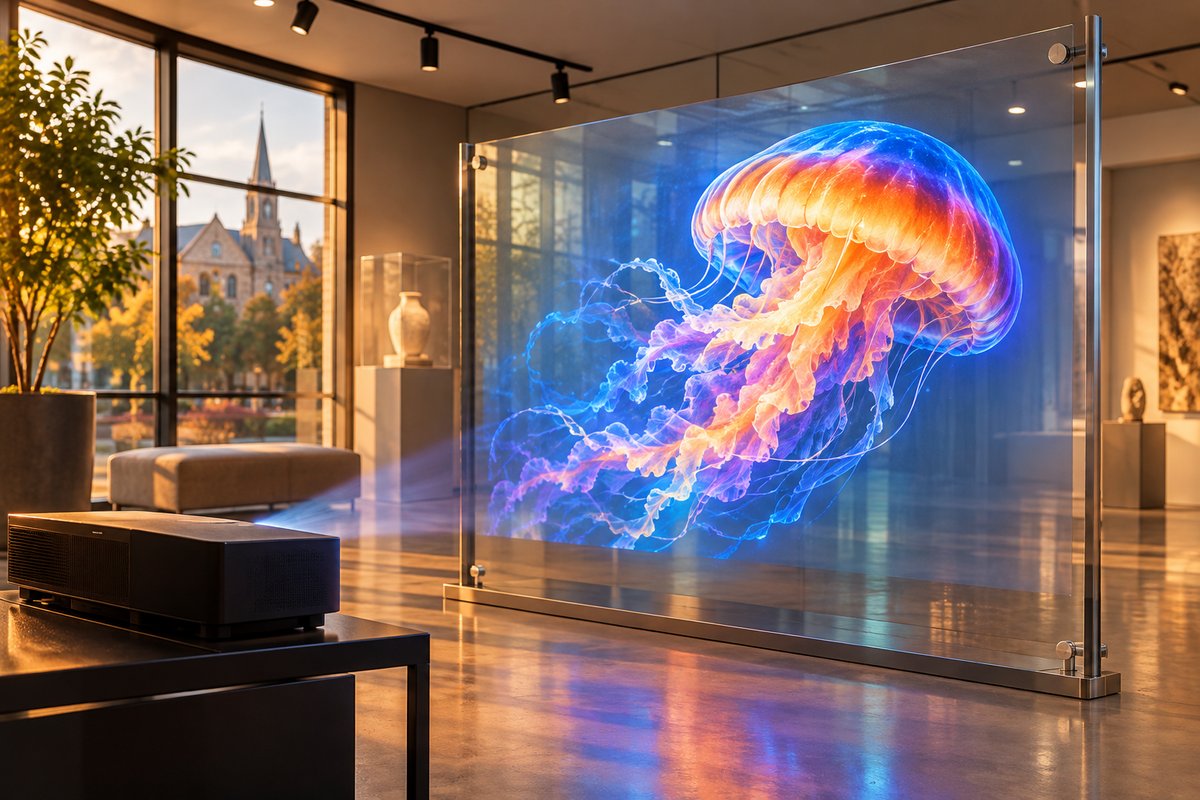
Across Connecticut’s vibrant retail streets, museums, and convention centers, glass has become more than just a window to the world—it’s a platform for engaging digital signage and bold displays. Rear projection film is designed to turn storefront windows, glass partitions, and acrylic panels into vivid projection screens. With options like frosted Accent film, contrast-oriented Definition film, innovative DualView film, and floating-image Intrigue film, there’s a solution for nearly any public or interior glass display need. This guide, provided by Rear Projection Films (a division of Screen Solutions International), is crafted for retailers, brand teams, AV integrators, and display professionals planning Connecticut-based installations.
Selecting the Right Rear Projection Film for Your Connecticut Project
Choosing the proper rear projection film is the foundation of a successful digital glass display. Location matters: street-level retail in Stamford, lively convention halls in Hartford, and interactive museum displays in New Haven all present unique lighting and viewing-angle requirements. Films are applied to the inside of glass or acrylic and are paired with a projector placed behind the surface. Lighting conditions—natural and artificial—shape your decision.
Accent film offers a frosted white surface suited for general indoor window displays, easily seen in Connecticut’s changing light. For bright, sun-filled settings or highly lit interiors, Definition and Definition Pro films provide a dark gray, high-contrast image that holds up even under strong ambient light. Those planning floating or holographic effects on glass partitions or see-through walls might consider the translucent Intrigue film, while DualView projection film enables viewing from both sides for walk-by displays in lobbies or corridors. Ordering projection film samples allows you to compare performance in your actual location before custom ordering the final cut.
Technical guidance on film selection and installation is available, and sample kits can help eliminate guesswork. Consider how each product interacts with your particular Connecticut lighting, display goals, and foot traffic patterns.
Sizing Projection Film to Fit Your Glass or Acrylic
Accurate sizing is essential for effective projection displays on storefront glass, partitions, or display cases. Films from Rear Projection Films are custom cut to your project’s exact dimensions and shipped from our California office, so precise measurement is the first step. Allow time for detailed measuring—height, width, and glass orientation—for best results. Remember that seams or alignment gaps can detract from projected content, particularly for high-traffic or up-close viewing areas.
When measuring Connecticut storefronts, note factors like window framing, muntins, and mullions, which may interrupt a seamless projected image. For curved or irregular glass panels commonly found in exhibit spaces or corporate lobbies, provide a template or consult technical guidance before placing an order. If your project spans multiple adjacent windows—such as in Hartford’s retail districts or Stamford business centers—decide whether to treat each pane individually for easier installation and maintenance.
Film is intended for glass or acrylic on the interior side, protected from weather exposure. Testing projection film samples on intended glass surfaces beforehand helps confirm proper fit, adhesion, and appearance in your unique Connecticut setting.
Assessing Projector Brightness in Connecticut’s Ambient Light
Daylight and interior illumination in Connecticut can vary widely, affecting how your rear projection film display performs. In downtown settings with large windows facing busy streets, south-facing glass can receive harsh sunlight that calls for a high-contrast film. Meanwhile, shaded northern exposures or interior museum halls may support a wider range of projection film types and projector brightness settings.
During the planning stage, observe how sunlight moves across your windows throughout the day and reference the National Weather Service forecast for Hartford to anticipate seasonal changes—such as increased glare in winter when the sun is lower, or the strong summer light typical on Connecticut’s coast.
To ensure a vivid display, balance film selection and projector brightness. Darker Definition films suit bright atriums and event spaces, while Accent offers flexibility in moderate light. When in doubt, test a sample with your planned projector for a true read on visibility before committing to installation. Technical guidance is also available to help match projector brightness with local daylight in towns from Norwalk to New London.
Planning Power and Electrical Needs
Any rear projection setup requires reliable power for the projector and supporting AV equipment—whether in a retail storefront, exhibit booth, or corporate lobby. It’s critical to plan the location of outlets and pathways for wiring that keep equipment secure and discreet, while complying with safety codes in Connecticut.
If your installation will run many hours or needs to accommodate higher-brightness projectors for daylight visibility, explore your current power capacity and consider whether an upgrade or new circuit is necessary. The Connecticut Power Utility Regulatory Authority provides electric supply options and rate information to help you project ongoing costs and plan the best provider for your location.
In multi-use spaces—like convention centers or pop-up events—temporary power planning and cable management are especially important to avoid tripping hazards and ensure consistent operation throughout event hours. Always check with your local facilities management or building superintendent before running new cables or connecting equipment.
Mounting Your Projector and Film for Connecticut Glass Displays
The best image quality from rear projection film comes from careful alignment between projector and film-applied glass. Standard installations place the projector directly behind the center of the projection film, often using a ceiling, floor, or shelf mount, depending on available space in showrooms and lobbies. In high-traffic areas such as downtown retail or at convention setups, secure mounting is especially critical.
If you’re using DualView projection film, remember it can handle short-throw and off-axis projector placement, opening up more flexible mounting options for tight or unusual spaces, such as angled windows or corporate corners. Adjustable mounting brackets allow for precise image alignment and help minimize keystone distortion or focus issues.
Ensure that ducts, sprinklers, or other building systems do not block the projection path. Take time to test the projector placement with a temporary setup before installing mounts or anchoring equipment. For guidance on mounts compatible with your projector and chosen film, reach out for technical advice.
Permits, Approvals and Local Regulations in Connecticut
Regulatory requirements for projection displays in Connecticut can vary widely by city, township, and project type. Some municipalities may view projection onto storefront glass as a form of signage, while others may regulate the addition of AV equipment or changes to window appearance—especially in historic districts or mixed-use developments.
For installations in retail, museum, or trade show venues, always check with your local building, sign, or event office to confirm whether permits or approvals are needed. Requirements may be different for temporary events at convention centers versus permanent corporate lobby installations. Start early and document your planned display—including dimensions, brightness, and mounting locations—to streamline the approval process.
For more information, direct your questions to the relevant city office or event venue ahead of installation. Seeking guidance in advance helps you avoid delays and ensures your rear projection film display meets all Connecticut regulatory standards.
Using Weather and Daylight Data for Better Results
Smart projection planning goes hand-in-hand with an understanding of local light, weather, and seasonality, especially given Connecticut’s changeable climate. Daylight hours, direct sunlight angles, and cloud cover have significant effects on projected images, particularly on main streets, at museum entrances, and in atrium-style lobbies.
Use the Hartford weather forecast as a reference for short-term changes in light and for planning when to test projection visibility. If you’re debuting a new display for a special event, consider timing installation or projector adjustment to correspond with lower daylight hours for increased impact.
Annual weather patterns—like Connecticut’s frequent winter cloudiness or late-afternoon sun in spring—can be planned around by adjusting projector schedules, using timer systems, or considering Definition film for longer displays in high-ambient locations. Testing projection film samples in representative weather and lighting is always recommended for best performance.
Frequently Asked Questions (FAQ)
What type of rear projection film is best for Connecticut storefronts?
The ideal film depends on the location’s ambient light and project goals. Accent film is versatile for most general-purpose windows. Choose Definition film for spaces with high daylight or bright interiors, and DualView film for displays visible from both sides. Testing samples in your own window conditions is the best way to decide.
Can I install the film on exterior glass or does it need protection?
Projection film is designed for application on the inside face of glass or acrylic, where it’s protected from outdoor elements. Exterior applications are not recommended. For anti-glare needs on exterior glass, consider a separate anti-glare product, as these are not projection surfaces.
Do I need a permit for a rear projection film display in Connecticut?
Permit requirements vary by municipality and project type. You should check with your local building, sign, or event office before starting installation, especially for street-facing or event-based displays. Local regulations can be specific to each city or district.
Ready to plan your Connecticut projection film project? Request a projection film quote or call 888-631-5880 for technical guidance on film selection, sizing, and installation. Rear Projection Films (a division of Screen Solutions International) offers custom sizes, sample kits, and serves customers across the U.S. and internationally.