A Practical Guide to Choosing Rear Projection Film in Illinois
Learn how to select the right rear projection film, size it to your glass, choose projector brightness for Illinois daylight, and plan power and permits. Expert tips for storefronts, museums, and events.
Understanding Rear Projection Film for Illinois Storefronts and Events
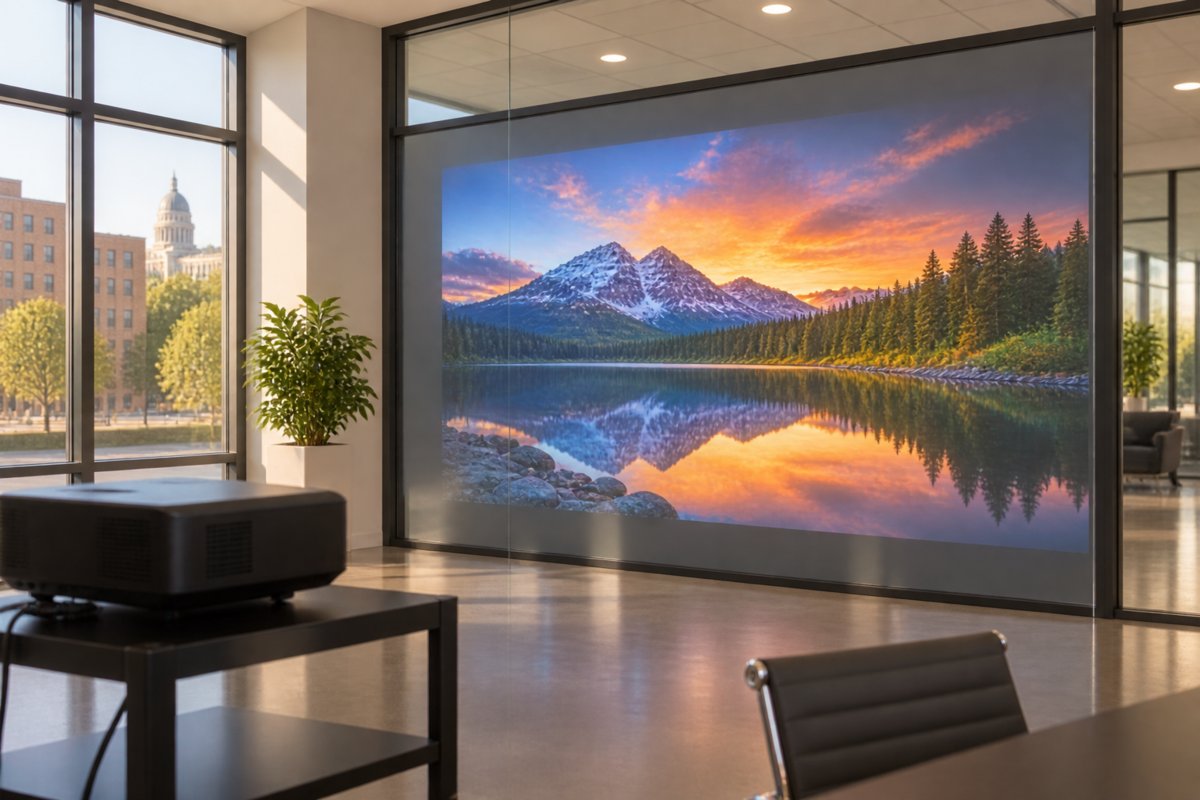
Across Illinois—whether in Chicago’s vibrant retail districts, suburban shopping centers, or campus lobbies—rear projection film provides a creative way to transform glass surfaces into high-impact digital displays. Rear Projection Films, a division of Screen Solutions International, offers a range of projection films engineered for installation on glass or acrylic. With options like general-purpose Accent Film, high-contrast Definition Film for spaces with bright ambient light, and the transparent Intrigue Film, Illinois retailers, museums, and event teams can create standout digital signage and interactive exhibits. Films are custom cut to size, making it easy to retrofit windows at trade shows, lobbies at regional headquarters, or showcase glass in visitor attractions.
Rear projection film is designed to be applied to the inside of your glass for best results. This keeps installation away from the elements and leverages storefronts, partitions, and exhibit cases in high-profile Illinois venues. For maximum compatibility and effect, understanding which film to select and how to plan your installation is essential, especially with the variability in local climate and permitting requirements found across the state.
Throughout Illinois, settings for projection window displays range from street-level retail and corner cafes to science centers, sports venues, and convention exhibitions. This educational guide walks through choosing your film type, accurately sizing your project, matching projector performance to daylight conditions, planning power, understanding mounting options, and navigating potential local permits.
Comparing Projection Film Types for Illinois Settings
Choosing the right film starts with assessing your setting’s typical lighting and intended display effect. Accent Film, a frosted white material, is ideal for most retail, museum, or corporate lobbies. It creates a bright, vivid image viewable from a wide angle and works well in both standard and moderate ambient light. Accent Film is a preferred choice for general storefront window projection film applications across Illinois cities and towns.
For environments with higher levels of natural light such as well-lit showrooms, atriums, or large offices, a darker, high-contrast film like Definition Film or Definition Pro can enhance image sharpness and visibility. These are ideal for busy retail intersections in downtown Chicago or glass walls in convention centers, where strong daylight and overhead lighting compete with projected content.
If your goal is to create a floating, holographic effect—such as at special exhibits or high-tech product launches—the partially transparent Intrigue Film enables images to appear suspended in glass. Meanwhile, for situations where you need people on both sides of the glass to view the projection—like in glass vestibules or two-way corridors—DualView Projection Film allows for short-throw or off-axis projectors and is visible from each side. For traditional, single-sided projection displays, the standard rear projection film provides visual performance suited for a broad range of Illinois venues.
How to Measure and Size Projection Film for Your Glass
Accurate measurement is crucial for a seamless, professional result. Start by cleaning your window or glass wall thoroughly, and measure the visible area you want your image to cover—not just the full pane size. Always double-check dimensions, and account for any window frame overlap or architectural features that might interfere with the display.
Film from Rear Projection Films is custom cut to your project. Once you have your measurements, you’ll want to identify whether you want a full-coverage effect or a display-sized section centered within a larger glass piece. For multi-panel storefronts or glass dividers, consider how mullions or joins will impact your display; sometimes, spanning across joints can affect image continuity, so test first on a single pane when possible.
To ensure the look and brightness you want for Illinois’s variable daylight, order a projection film sample kit. Testing samples in your actual glass and lighting conditions can help you decide between frosted, high-contrast, transparent, or DualView film before making a final decision. This approach is especially helpful for event spaces or historical buildings where permanent installation is restricted, or for rotating retail displays changing with the seasons.
Matching Projector Brightness to Illinois Daylight Conditions
Every Illinois location—from sun-filled display windows on Michigan Avenue to the shaded interiors of regional museums—presents unique challenges in ambient lighting. Projector brightness and film type must work together for crisp, clear visuals. Begin by noting which direction your glass faces: South- and west-facing storefronts typically receive more direct sunlight, especially during summer months, while east- and north-facing windows experience softer, indirect light.
Consider the local daylight climate. You’ll find seasonal sunlight fluctuations and cloud cover across Illinois, from rapid changes in downtown Chicago to consistent brightness in Springfield or Champaign. Consulting current patterns with the National Weather Service Chicago/Romeoville Forecast Office can help you anticipate how installation timing and projector adjustment may be affected by seasonal sunlight and weather trends.
In environments with intense light, opt for high-contrast film options and ensure your projector has settings for adapting brightness and color balance. In lower-light or nighttime displays—such as indoor convention booths or evening retail promotions—a frosted Accent film and moderate projector brightness typically provide excellent results. Always test your chosen setup with samples, and adjust projector placement to minimize shadows and reflections for the best image quality.
Planning Power and Cabling for an Illinois Projection Display
Reliable power is foundational to any storefront or window projection film installation. Assess nearby outlets and consider whether permanent or temporary power solutions are best for your space, especially in high-foot-traffic urban areas or flexible event environments. In historic or older buildings found throughout Illinois, confirm that existing outlets are compatible with your projector’s draw and that any extension cords or power strips comply with local and building codes.
If your projection display needs to operate during specific retail hours, coordinate with facilities or IT teams to securely manage power-up and shutdown procedures. For larger installations—such as those in convention centers or museums—collaborate with site management to avoid overloading circuits, especially if multiple electrical devices are sharing the same line.
Planning outdoor or public-facing displays may require weather considerations, especially if windows are exposed to extreme heat, cold, or humidity. For guidance on upcoming weather that may impact installation timing and projector performance, consult the local National Weather Service office.
Cable routing is equally important. Use low-profile cable covers or conduit to prevent tripping hazards in retail or visitor areas, and avoid running projector cables across high-traffic zones, entranceways, or emergency exits where safety codes may apply.
Mounting Options: Projector Alignment and Installation Best Practices
Correct mounting and projector placement ensure a sharp, undistorted image across the glass. Start by choosing a stable, rear-facing area to set your projector behind the window or acrylic; this could be within a storefront back room, event booth, or partitioned office bay. For installations where space is limited, short-throw projectors pair well with DualView Film or the standard rear projection film.
Verify that the projector is directly aligned with the center of your display area. Off-axis alignment can cause keystone distortion or uneven brightness, particularly if your display spans multiple glass panels or is unusually wide. For floating or transparent effects, extra care should be taken to conceal projector stands, cabling, and rigging from street view, particularly in competitive retail districts.
Depending on your setting, mount the projector on a ceiling rig, back shelf, or security enclosure to suit staffing levels and traffic. In trade shows or temporary installations, choose quick-release or easily accessible mounts—while for permanent store windows or museum cases, use tamper-resistant options that comply with building policies. Consider environmental factors such as HVAC airflow, heating vents, and glare from overhead lights during placement.
Understanding Permits and Local Compliance in Illinois
Window projection displays may be regulated as signs, displays, or electrical installations in Illinois municipalities. It is essential to verify if your project requires any permits, reviews, or pre-approvals before installation, particularly for public-facing or large-format glass. Requirements can vary by city, county, and building code, whether you are in Cook County’s retail zones, suburban corridors, or historic districts.
Electrical requirements and structural changes—like mounting hardware or running new cabling—may require separate permits or code reviews. Always check with your local building, zoning, or sign officials for the specific rules governing your location and project details. In the Chicago area and other parts of Northeastern Illinois, you can refer to the Cook County Building and Zoning Building Permits resource for guidance on building, electrical, and zoning rules. Trade show exhibitors should also coordinate with event venue management regarding temporary display policies.
Because state and municipal requirements can change, no single solution helps ensure compliance for every project. Early consultation helps avoid delays or required re-work. If you have questions about planning your display within regulatory guidelines, technical guidance from Rear Projection Films is available to help you make informed decisions about your installation approach.
FAQ: Rear Projection Film Displays in Illinois
Where should rear projection film be applied?
Rear projection films offered by Rear Projection Films are designed for application on the inside of glass or acrylic. This protects the film from weather exposure, helps maintain optimal viewing quality, and works for glass storefronts, partitions, or windowed event displays across Illinois or any setting where rear access is available.
Can I use any projector with these films?
Most commercial projectors can work well with these films, but the best results depend on matching the projector’s performance to your specific glass size, room lighting, and chosen film type. Short-throw or off-axis projectors may be used with DualView Projection Film. It’s always recommended to test a sample kit in your own lighting conditions before purchasing film for your full project.
Do I need a permit for a storefront or event projection film display?
Permit requirements vary by municipality, installation method, and project size. You may need to check with the relevant local building, sign, or event office for official guidance. For the Chicago area and surrounding communities, refer to Cook County Building and Zoning for information about building and electrical permit requirements.
Get Technical Guidance and Prepare Your Illinois Display
Rear projection film provides Illinois retailers, museums, event teams, and AV professionals with new creative ways to connect with audiences through windows and glass displays. Whether you’re starting your first digital window sign in Naperville, planning a multi-day convention booth in Peoria, or fitting out a showcase at a Springfield visitor center, a strategic approach to film selection, sizing, projector planning, and permitting can help you create a memorable, effective installation.
Ready to get started? For custom sizing, technical guidance, or to see how different films perform in your space, explore Rear Projection Films or Request a projection film quote today.