A Practical Guide to Rear Projection Film for Nevada Glass Displays
Learn step-by-step how Nevada businesses and venues can transform glass with rear projection film. Discover film choices, projector planning, local permit needs and more.
Transforming Nevada Glass Displays with Rear Projection Film
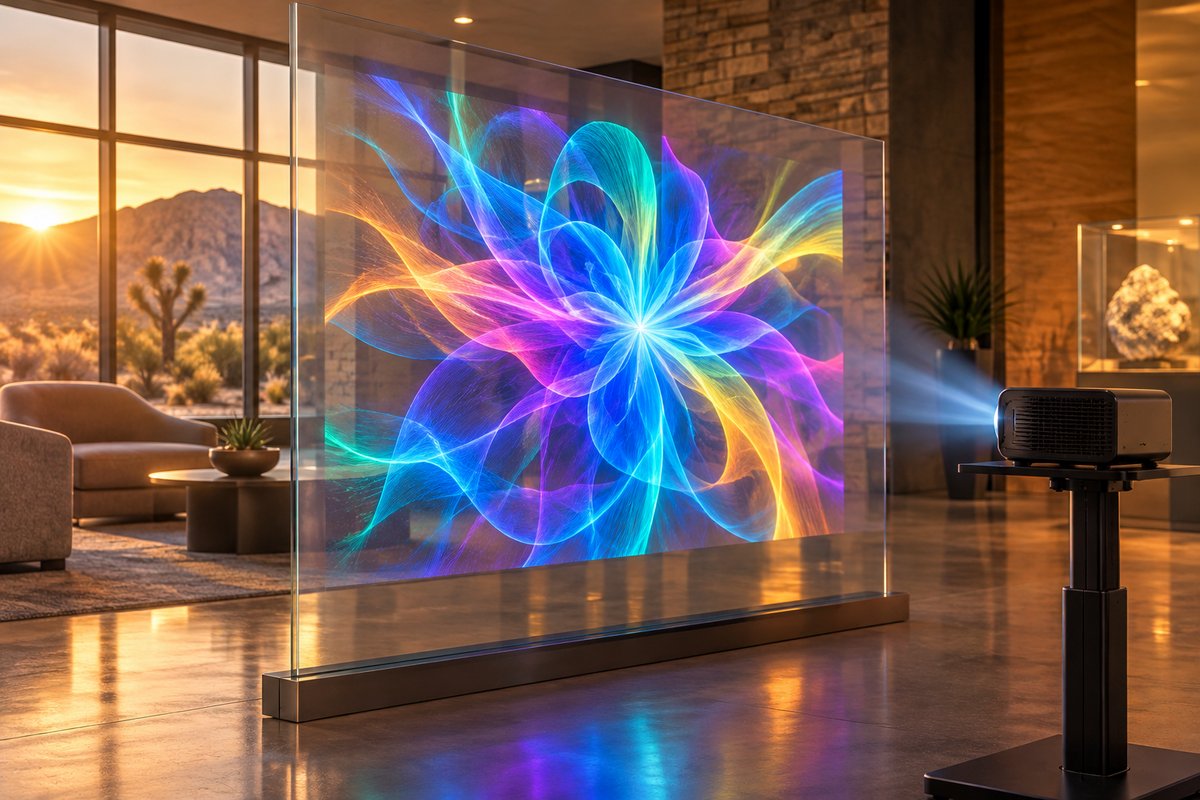
Glass storefronts and interior glass panels shape the visual identity of Nevada’s retail corridors, museums, convention centers, and corporate campuses. Rear projection film—applied to glass or acrylic—unlocks vivid, changeable displays visible day or night, making any window or partition an eye-catching screen. But to get the most from projection film, careful planning is essential, especially when considering local lighting, space, power, and regulatory needs. Below, Rear Projection Films (a division of Screen Solutions International) details the practical steps to a successful projection film installation across Nevada’s urban and exhibit settings.
This article covers film options, how to size film for your glass, selecting projector brightness to handle Nevada daylight, power and mounting basics, and advice for navigating sign and display permit requirements. Custom-cut projection films and sample kits let you test in real conditions, ensuring the finished display performs as expected.
Choosing the Right Rear Projection Film for Nevada Settings
Nevada’s showcase environments—boutiques on Las Vegas Boulevard, museum lobbies in Reno, trade-show booths near the Strip, and corporate entryways in Henderson—each call for different projection effects. Rear projection film turns transparent glass or acrylic into a digital canvas using a projector hidden behind the surface. The right film choice depends on ambient light, audience viewing angles, and store layout.
- Rear Projection Accent Film is a frosted white film, the most versatile for everyday storefront and display applications where both daytime and nighttime visibility are crucial.
- Rear Projection Definition Film offers a high-contrast, darker gray finish, ideal for fighting strong indoor ambient lighting such as Nevada’s sunlit hospitality lobbies or corporate spaces slicing through blinds.
- DualView Projection Film enables two-sided viewing, useful for glass partitions in retail, trade-show exhibits, or visitor attractions where foot traffic runs on both sides.
- Rear Projection Intrigue Film creates floating, hologram-style images on clear glass or acrylic, making it popular for high-impact brand activations and modern architectural displays seeking a minimal look.
If you want transparent glass between content, consider Ultra Clear and Clear films. All films are applied to the inside of glass to protect from the environment. It’s strongly recommended to order sample kits for onsite testing, as Nevada’s local daylight and lighting can vary dramatically by location.
Sizing Projection Film to Your Glass or Acrylic
Accurate sizing ensures a clean, professional appearance, whether you’re outfitting a Downtown Reno storefront or a trade-show booth at a Las Vegas convention center. Projection film is available custom cut to your precise glass or acrylic dimension, supporting both standard rectangles and custom shapes.
Measure the inside face of your window or partition where the film will be applied, allowing a small margin around the edges to hide the film under window frames or mullions if desired. If the intended image is smaller than the window, masking borders or frosted sections can help create a focused presentation and conceal edges.
Working from precise measurements allows you to order film tailored to your display plan. Many projects evolve once you see test cuts at the actual location, so trial fitting with samples first is recommended before placing your main order.
Matching Projector Brightness to Nevada’s Light Conditions
Storefront window projection film success depends on careful matching of projector power to the light at the glass. Nevada’s sunlight can be intense, especially in places like Las Vegas, Reno, and Henderson, which affects image clarity during the day. High-contrast films like Definition are tailored for situations with elevated ambient lighting, while Accent film suits spaces with more controlled lighting or where projection will mostly be at dusk or night.
To select a projector, determine how much daylight hits your window throughout the day. Glass on southern exposures or facing bright streets may require a more powerful projector compared to shaded, indoor lobbies. Be alert to Nevada’s regional weather patterns by using local resources like the National Weather Service Reno Forecast for planning—cloud cover, sunrise/sunset times, and seasonal daylight impact display visibility.
Because there aren’t fixed brightness numbers that ensure success, especially given local variation, testing with actual projectors and projection film samples is the surest way to verify appearance before installation. Technical guidance is always available if you need help navigating your glass and light conditions.
Planning for Power and Projector Placement
Reliable power is essential for seamless projection displays. In Nevada’s busy hospitality and retail corridors, access to stable power can be a consideration—especially for temporary setups at trade shows or outdoor-facing exhibits. Permanent storefront displays typically tap into the location’s interior electrical circuits, but always confirm capacity and safe routing with building management and your electrician.
For those needing to confirm local utility capabilities or anticipate outages, the NV Energy portal provides updates and resources for Nevada business and exhibit sites. Review outlet placement and cable management to ensure the projector and any cooling equipment can run reliably without visible cords or safety risks.
Projector mounting options include ceiling, floor, or rear-wall mount, depending on ceiling height and projection angle. Films like DualView can be paired with short-throw or off-axis projectors, making them ideal for tight or flexible locations like trade-show exhibits or museum partitions.
Mounting Projection Film to Glass: Tips for Nevada Projects
Rear projection film installs on the inside face of clean glass or acrylic, providing a protected projection surface away from weather and public traffic. Typical Nevada settings include busy retail windows, corporate lobbies in modern towers, and classroom or museum glass dividers.
Thoroughly clean the glass with non-abrasive tools before installation, removing dust and oils that can cause bubbles under the film. Professional installers often use application fluids and squeegees, but for smaller projects—such as trade show rentals or seasonal retail campaigns—self-install with guidance is also common. If you’re not sure, technical advice is available for glass preparation and mounting.
After the film is installed, adjust projector alignment for sharp, clear images. If you experience reflections, remember: anti-glare film is a separate product for reducing glass glare and not meant for projection. Always order projection films specifically intended for rear projection displays.
Navigating Nevada Permits for Window and Sign Displays
Adding digital displays to storefront windows, lobbies, and event spaces may involve local sign, window display, or event permits—especially in Nevada’s larger cities and event venues. Requirements differ based on city, county, district, and property type.
For guidance in metropolitan Las Vegas, research options with the City of Las Vegas Film Permits office. For unincorporated areas, the Clark County FAQ for Film Permits answers common questions. Each display application may trigger different reviews, especially for permanent window signage, media installations, or event displays.
Permitting needs will depend on the specific city, property, duration, and location of your display. Always consult the relevant local office early in your project, as requirements can change based on size, video content, exterior lighting, and local zoning.
Testing Projection Film in Your Own Lighting Conditions
Nevada environments—from brightly sunlit Strip storefronts to the shade of historic districts—make it impossible to prescribe one film or projector solution. That’s why projection film samples are available for live in-space testing before you commit to full coverage.
Apply samples to your actual glass or acrylic and use your projector at different times of day. This shows how films like Accent, Definition, or DualView perform with real Nevada sunlight, interior fixtures, and traffic patterns. Many teams make better informed investments based on these hands-on results.
Sample kits can help in choosing film type, placement, and projector adjustment, and are available for delivery across the state. You can consult Rear Projection Films for technical guidance as you test—reach out for film selection tips based on your project goals and site observations.
- NV Energy: Power connection, outage, and service info.
- City of Las Vegas Film Permits: Permit details for Las Vegas projects.
- Clark County Film Permit FAQ: Guidance for unincorporated Clark County.
- National Weather Service Reno: Sunlight and weather data for western Nevada.
FAQ: Rear Projection Film in Nevada
What types of glass or acrylic work with projection film?
Rear projection film is designed for smooth glass or acrylic panels—common in storefronts, partitions, trade-show displays and museum exhibits. Films are applied to the inside surface; textured or coated glass may reduce image clarity, so use samples to confirm performance before ordering cut film.
Can rear projection film be used outdoors in Nevada’s climate?
Projection film is intended for application to the indoor surface of glass or acrylic, protected from direct exposure to the elements. If your display faces the outdoors, ensure installation keeps the film shielded from sun, moisture, and public handling. Always test performance with a sample under your specific site conditions.
How do I know if my display will need a permit?
Permitting for window, sign, or projection displays depends on your Nevada city or county, the type of property, and the project details. Review requirements using local resources like the Las Vegas Film Permit portal or Clark County Film Permit FAQ and consult the relevant office with your specific plans before installing any projection film display.
Get Started with Nevada Projection Film Displays
Glass displays in Nevada’s vibrant cities and venues are prime real estate for high-impact digital visuals using rear projection film. By choosing the right film and projector setup, testing with samples in your environment, and planning for power and permit needs, your displays can deliver attention-grabbing results with confidence. For technical advice, sample orders, or custom-cut film for your next glass project, Request a projection film quote from Rear Projection Films (a division of Screen Solutions International). Our team can guide you through every step—from film selection to project coordination—for projects anywhere in Nevada.