A Practical Guide to Rear Projection Films for Glass in New York
Explore the key steps to selecting and installing rear projection film for glass or window displays in New York. Understand film types, correct sizing, projector setup, local permit considerations, and more.
Understanding Rear Projection Film for Glass Displays
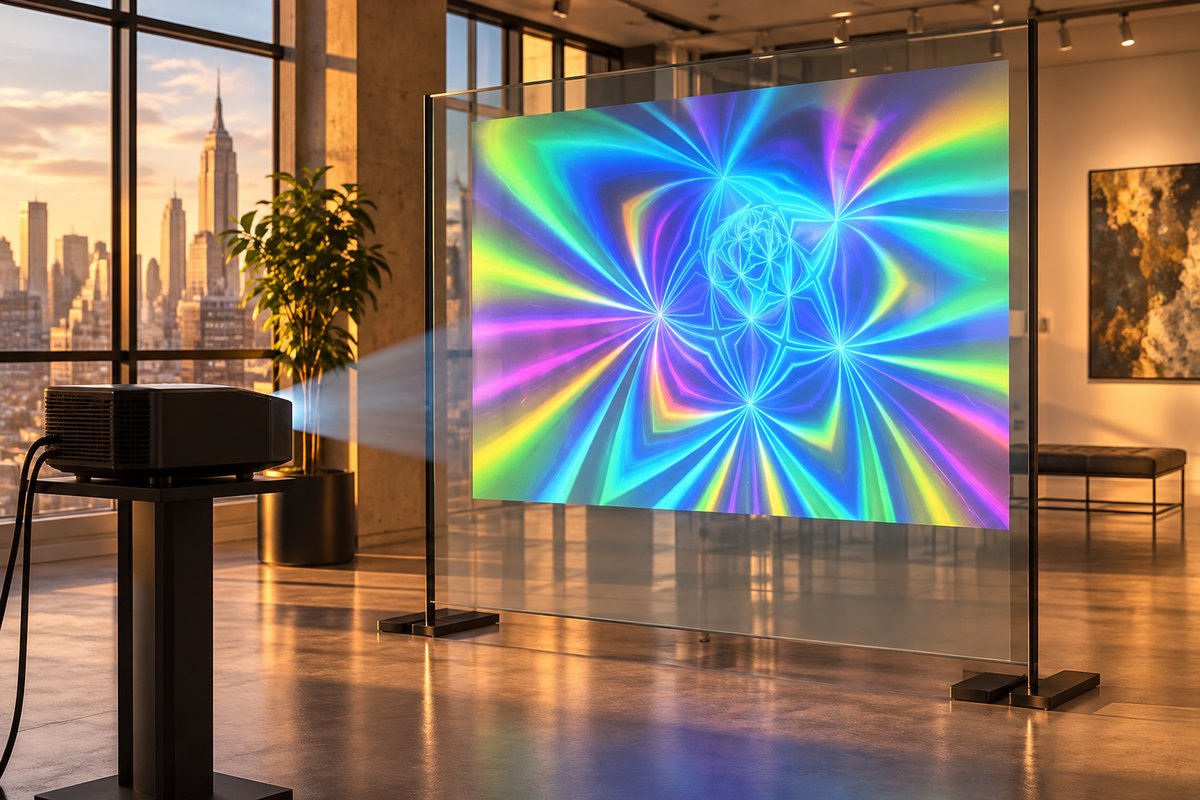
Turning a storefront window, museum entrance, or glass wall into a dynamic digital canvas is now possible using rear projection film, a specialty material designed to bond to glass or acrylic and display vibrant video imagery when lit from behind. As a division of Screen Solutions International, Rear Projection Films offers film solutions custom cut for projects across New York State, transforming plain glass into attention-grabbing screens for brands, cultural venues, corporate centers, and trade exhibits. Whether your site is on Fifth Avenue or in a suburban retail plaza, this guide provides the steps and resources for effective project planning in New York.
Choosing the correct rear projection film type, sizing it to fit your glass, and addressing lighting and regulatory requirements are crucial in busy commercial and event locations. Rear projection films are applied to the inside face of your glass or acrylic and designed for use with a separate projector placed behind the surface, protecting against outdoor conditions and taking advantage of indoor lighting controls. For high-brightness window displays, retail branding, or immersive museum visuals, the right film choice is vital to performance and appearance.
This guide outlines core considerations, from film selection to projector matching, power planning, mounting solutions, and what to expect in terms of permits or approaching local authorities. It also highlights resources and sample kit availability to help test and validate your solution before you commit to a full order for your New York location.
Choosing the Right Rear Projection Film
Not all projection films are created equal—each addresses different glass locations and lighting challenges found throughout New York’s retail corridors, museums, campuses, and show venues. Accent Film delivers a bright, frosted white image and suits general-purpose displays where you want strong visibility in mixed lighting. If your project site has strong daylight—such as street-facing windows or spaces under bright overheads—the Definition Film and Definition Pro options offer dark gray, high-contrast surfaces to keep your visuals crisp, even with moderate ambient light.
For visual effects that float or appear holographic in front of your audience, Intrigue Film is translucent and ideal for trade show effects or museum installations where you want your content to appear to hover in space. To enable simultaneous or off-axis viewing from both sides of glass partitions or stand-alone acrylic, DualView Projection Film supports advanced applications like retail double-window messaging or event messaging where viewers gather on either side.
There’s also a projection film sample kit for hands-on testing. Conditions can vary block by block—from East Side skylights to Brooklyn storefronts—so it’s recommended to test samples on-site to see how film, glass and real light interact in your unique New York conditions. Technical guidance on film selection is available to help you compare materials, explain where each shines, and point out details such as compatibility with short-throw or off-axis projectors for tight urban layouts.
Sizing Film to Glass and Planning the Layout
Precise measurement is the foundation of a clean installation and optimal image display. Rear Projection Films ships all products custom cut to size from California, so ensure your order matches the visible glass area minus any frames or edge trim. Always measure twice—once along the top and bottom and again side to side—to compensate for any out-of-square storefronts or historic window mullions found in New York buildings.
Consider how the displayed image will fit within the space seen by passersby, ensuring any projector overspill stays exclusively on the intended film. Adjustable masking in the projector, or black vinyl borders applied around the film’s edge, can help contain stray light and reinforce clean visual lines.
For multi-panel storefronts or floor-to-ceiling glass, map out how seams and joints will affect the visual effect—some film types have subtle edge fades, while others appear more distinct at panel boundaries. When planning for unusual shapes (arches, circles, notched glass), technical guidance is available from Rear Projection Films to help you finalize custom dimensions or identify the best way to seam multiple panels together.
Projector Brightness and Daylight Considerations in New York
Matching your projector to the real lighting conditions at your site is a critical step, especially where sunlight fluctuates by season or during the day. Locations like Times Square, SoHo storefronts, or upstate campus galleries can contend with anything from direct midday sun to deep shade—each impacting the performance of your window projection film.
High-contrast Definition Film helps maintain vivid imagery in bright conditions, while frosted Accent Film works well in controlled or less exposed locations. Installing your projector in a position that limits direct sunlight striking the glass—using awnings, trees, or interior overhangs—can boost viewing clarity. Timers or daylight sensors may be used in some locations to operate the projector only at optimal times.
It’s useful to monitor current weather and daylight patterns; for Manhattan installations, the New York County Forecast provides weather and sunlight updates that can help time installations and schedule projector operation. Using a sample film kit, you can check how different films perform on your glass at varying times and light conditions, helping you select both the film and the right projector output for New York’s changing environment.
Electrical Power Planning for Projection Displays
Many glass window displays require a new or dedicated electrical supply for continuous projector or AV equipment use. Whether your glass faces a busy street or is part of a high-rise lobby, safe and reliable power is essential for uninterrupted operation, especially in New York’s dense commercial properties where permits or upgrades may be needed.
The number and type of projectors, as well as any control or media devices, should be clarified in advance. In New York City, you may need to coordinate with building management and utility providers. The Con Edison Service Management page is a useful resource for arranging new or modified electrical service for commercial or retail projection film displays.
Confirm your available power circuits are suitable for intended AV loads and accessible near your planned projector mounting location. Consulting a qualified electrician, especially for large-scale or long-running displays, can ensure compliance with local codes and safety standards.
Mounting Projectors and Applying Film in New York Spaces
Rear projection setups require space behind the glass for a projector—sometimes in a store window, display alcove, or behind a partition in lobbies. Urban settings may present depth or ceiling constraints; short-throw or off-axis projectors, used with compatible films like DualView, can help in tight New York installations. When mounting equipment, always check for HVAC vents, sprinkler pipes, and pedestrian clearances unique to your location.
Films are generally applied to the inside of glass, out of reach from weather and tampering. Ensure all surfaces are clean and dry before installation to maximize film adhesion. Static-dust and off-gassing from new construction or renovations—common in New York properties—should be considered as they can affect long-term film appearance.
If interior space is at a premium or you need a removable solution, mounting frames or stands for the projector may be preferable to permanent ceiling suspension. Technical guidance is available to help you select mounting approaches compatible with your space, and to address obstacles or turns in the display area layout.
Permits and Local Approvals for Storefront and Signage Displays
Adding rear projection film to a window or glass wall may be subject to building, sign, or electrical permitting, depending on your exact location, the nature of the signage, and city or county regulations. In Manhattan, Brooklyn, and other New York areas, project requirements and processes can differ widely, especially for installations visible from public streets or involving new electrical connections.
It is important to check with the local building, sign, or event office for your project’s specific permit needs. In New York City, the Sign Permit Requirements webpage provides an overview of requirements for different types of illuminated signage and projection-based displays.
Because each installation is unique, permit requirements may be influenced by factors such as sign size, duration of display, integration with existing storefronts, and power modifications. Starting this process early and involving landlords or property managers can help keep your launch timeline on track. Always consult the listed office to document the steps needed for compliance and safe installation.
Sample Kits and Technical Guidance
Testing projection film on your actual glass and with your chosen projector is the best way to ensure clarity and performance before placing a full order. Projection film sample kits are available, allowing you to evaluate different film types in your real lighting and glass setting—day or night.
Custom sizing to your measured glass is provided for each order, and the team at Rear Projection Films offers technical guidance to help you select the best film for your application, troubleshoot installation variables, and choose the right placement and mounting approach.
Contact details are available on the main Rear Projection Films website. You may also request detailed advice on film selection, sizing, and unique installation needs for your New York project, from small boutiques to major visitor attractions.
FAQ: Rear Projection Film in New York
How do I know which rear projection film is best for my location?
Consider whether your glass gets direct sunlight, ambient indoor light, or is in a controlled gallery setting. Use sample kits to test both frosted (Accent), high-contrast (Definition), translucent (Intrigue), and two-sided (DualView) films on your actual glass to judge which supports your visuals best in the lighting conditions you have.
Can I install rear projection film myself, or do I need a professional?
Many installations are done by in-house AV teams or local sign professionals using technical guidance from Rear Projection Films. If your site has challenging glass shapes, large spans, or involves significant electrical connections, consulting a local AV or sign installer can help ensure safety and performance.
Do I need a permit for a projection film window display in New York?
Permit needs vary by project, sign size, and municipality. Check with the appropriate local office such as those linked under sign permit requirements to confirm what approvals, if any, are needed for your window or signage installation.
- Con Edison Service Management – Electrical supply for AV and projection display power
- Sign Permit Requirements – Applying for New York sign or illuminated display permits
- New York County Forecast – Current and forecast weather for installation and testing schedules