Real-World Applications of Rear Projection Films Across California
Discover practical ways to use rear projection film for interactive displays on glass and acrylic in California’s storefronts, museums, and event spaces.
Rear Projection Film: Bright Displays for California Spaces
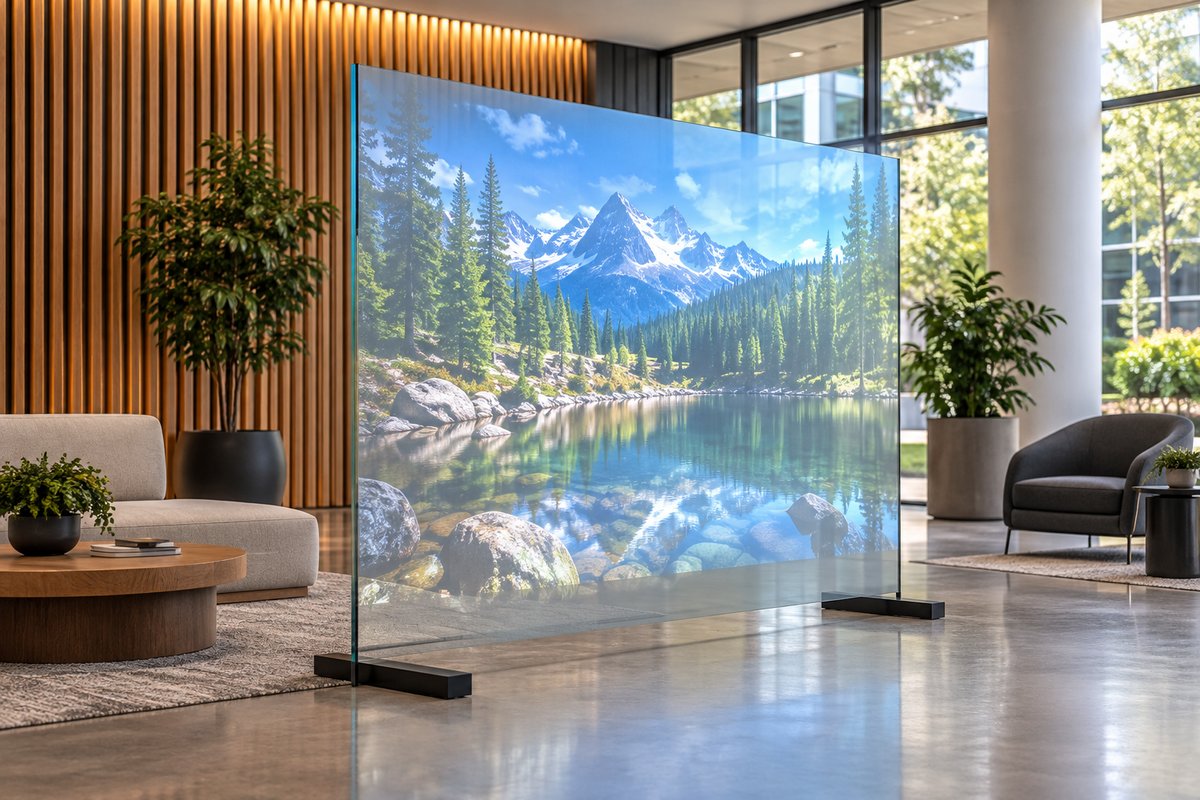
Throughout California’s bustling retail districts and vibrant venues, rear projection film has become a go-to solution for turning glass and acrylic into dynamic display surfaces. Whether the goal is to attract foot traffic on a San Francisco shopping corridor, bring exhibits to life in a Los Angeles museum, or create attention-grabbing trade show booths in San Diego, projection film blends seamlessly with modern architecture. By applying the film directly to the inside of windows, glass partitions, or acrylic sheets—and using a projector from behind—users achieve crisp, eye-catching visuals suitable for a variety of settings. As a division of Screen Solutions International (SSI), Rear Projection Films offers a range of specialty products, all cut and shipped from our California office, to handle the different needs and lighting conditions found across the state.
Each film is tailored for a specific application, from frosted options that create standout signs to translucent styles for “floating image” illusions. With custom cutting and sample kits available, project teams can test in their unique environment before making a commitment. For planning considerations, always confirm available power supply with your provider (see PG&E), and check local lighting and sign codes, like the City of Los Angeles Zoning Code, for compliance guidelines when projecting onto storefronts, especially in major California metros.
Storefront Window Projection: Attracting Attention in Busy Retail Districts
California’s thriving shopping zones—such as those in Los Angeles, San Diego, and San Jose—call for storefronts that stand out. Rear projection film for storefront windows enables retailers and brands to turn otherwise passive glass into bold digital signage, reinforcing visual merchandising and increasing after-hours engagement. Because projection films are applied to the interior side of glass, they are protected from outdoor elements and foot traffic. It’s important, however, to test a sample first in the specific lighting and glass type to ensure optimal effect.
The Rear Projection Accent Film offers a frosted, neutral-white look that delivers high image clarity and is ideal for general retail environments. For locations affected by high levels of ambient sunlight—common in many California locations—the Rear Projection Definition Film provides a darker, high-contrast surface to maintain image readability. In regions with strict outdoor lighting codes, such as those described by Los Angeles’ Zoning Code Division 4C.10, ensuring that displayed imagery aligns with permitted brightness and light trespass requirements is crucial. Always check with local offices before implementing a projection window display in California’s high-profile districts.
Museums, Science Centers, and Visitor Attractions
Museums and science centers across California regularly seek new ways to provide interactive, technology-driven experiences. Projection film offers an accessible, non-invasive method for overlaying content—such as exhibit videos, interactive timelines, or welcome graphics—directly onto glass partitions, entrance facades, or exhibit cases. Because the projector sits behind the glass, installations remain discreet, maintaining the clean modern lines typical in museum architecture.
Different films support different curatorial goals. The Rear Projection Intrigue Film delivers a translucent appearance ideal for “floating” holographic visuals, a favorite for digital art installations and immersive STEM exhibits. Meanwhile, the standard Rear Projection Film is versatile enough for general-purpose exhibit signage in both darkened galleries and busy, light-filled lobbies. For unique installations, sample kits let curators test image performance under the exact lighting and sightlines of their location before committing to full coverage.
Trade Shows and Convention Center Displays
From major expos in Anaheim to tech conferences in the Bay Area, trade show booths and kiosks often require temporary yet high-impact digital displays. Rear projection film transforms clear acrylic or glass panels into dynamic surfaces for looping product demos, branded visuals, or interactive touchscreen experiences—without bulky screens or visible monitors. This versatility supports creative booth designs that maximize the use of light, space, and branding potential.
The DualView Projection Film is particularly useful for trade shows, as it allows projected content to be seen clearly from both sides of a glass or acrylic panel, doubling the visibility for foot traffic approaching from multiple aisles. For exhibitors working in rooms with variable or unpredictable lighting conditions, the high-contrast Definition Film ensures message clarity remains high. Be sure to coordinate with the venue’s electrical supplier, like PG&E, to confirm adequate power sources for your projectors and AV equipment.
Kiosks and Digital Wayfinding for Corporate Lobbies
In corporate campuses and office lobbies, especially those that dot the landscape around Silicon Valley, Los Angeles, and Orange County, projection film supports digital upgrades without the need to install traditional digital screens. When applied to glass dividers or entryways, projections can welcome guests, display meeting details, or serve as interactive directories. The clean look of rear projection film complements contemporary architectural styles and supports brand storytelling through easily changeable visuals.
For lobbies with ample overhead lighting or direct sunlight, using high-contrast films is critical. Both Definition and Accent films offer excellent readability in a variety of lighting conditions. IT managers and facilities teams often prefer testing with samples to find the best fit for their unique glass characteristics and ambient light levels. When planning lobby displays visible from public areas, check with local authorities or refer to municipal lighting codes to ensure compliance.
Event Spaces and Temporary Installations
California’s event venues—from pop-up galleries in the Arts District to outdoor pavilions and temporary pavilions at tech launches—benefit greatly from projection film’s flexibility. Because the film can be custom ordered in a range of shapes and sizes and applies to both glass and acrylic, it accommodates one-off activations, product launches, and short-term builds as easily as permanent installations.
During certain seasons, California’s weather can vary significantly, particularly for semi-outdoor activations. For outdoor-facing glass or installations near open-air environments, check current forecasts with the National Weather Service to plan for temperature, condensation, and sun exposure challenges. Since the projection films are applied on the inside surface, they’re ideally suited for interiors, but knowing expected weather conditions helps schedule installation and projector calibration. For highly changeable light throughout the day, the standard Rear Projection Film and Accent Film provide consistent performance.
Technical Considerations: Power, Lighting, and Local Requirements
No matter the venue—be it a Bay Area headquarters, a Hollywood event space, or a neighborhood boutique—planning a projection display involves more than just choosing the right film. Reliable power supply for projectors is essential, so early coordination with utilities like Pacific Gas & Electric Company is recommended. For permanent or large-format projects, consider reaching out to an AV integrator, as technical guidance on projector placement, brightness needs, and cabling can maximize your investment.
Lighting is another critical factor for projection film performance. Reviewing local policies on signage illumination and glare, such as Los Angeles’ Outdoor Lighting & Glare regulations, will help ensure signs are both effective and compliant with municipal codes in different California cities. Permitting requirements can vary by jurisdiction and project scale, so always check with your city or venue’s permitting office before installing projection-based signage or displays.
Choosing the Right Film for Your California Project
- Accent Film: Best for general-purpose signs and displays on storefronts and internal glass partitions; frosted appearance ensures privacy while delivering strong image clarity. Learn more.
- Definition Film: Designed for high-brightness spaces with substantial ambient light, such as sun-drenched lobbies or retail locations. Details here.
- Intrigue Film: For “floating image” effects on clear glass; ideal for museums, art installations, or innovative retail. More info.
- DualView Film: Enables two-sided viewing for trade shows, event spaces, or any application where visuals need to be seen from both directions. Get specifics.
- Standard Rear Projection Film: Versatile surface for a wide range of glass and acrylic-based installations. Explore.
Because glass types, lighting environments, and project goals vary so widely, ordering samples to test in your actual conditions is strongly recommended. Our technical team offers guidance to help you match the right projection film to your California location’s requirements.
FAQ: Rear Projection Film Applications in California
Can projection film be used outdoors in California climate?
Rear projection film is designed for installation on the interior surface of glass or acrylic and performs best indoors or in protected areas. For semi-outdoor projects, always check weather conditions in your area using resources like the National Weather Service’s Local Forecast, and test film samples before committing to a full installation.
What preparation or approvals are needed for a storefront window projection?
Requirements can vary by municipality and building type. Always check with your local building or sign office regarding specific permit or approval processes. Lighting codes, such as Los Angeles’ Outdoor Lighting & Glare Division, may also impact what is permitted for brightness and sign illumination.
What power considerations are important for projection installations?
Projection systems require reliable power sources. It’s important to coordinate with utilities like PG&E early in the planning process, especially for large installations or events where temporary or additional power might be needed.
Get Expert Help with Your California Projection Film Project
Every application is unique—whether you’re designing a retail display in downtown LA or an interactive museum feature in Sacramento, the right projection film paired with careful planning can make all the difference. To get custom sizes, order samples, or receive technical guidance for your California location, contact Rear Projection Films at 888-631-5880 or ssisales@ssidisplays.com.
- Pacific Gas & Electric Company: Planning power supply for your project
- City of Los Angeles Zoning Code, Outdoor Lighting: Local lighting and glare guidance for signage
- National Weather Service, Local Forecast: Check outdoor weather conditions