A Practical Guide to Rear Projection Film for Florida Storefronts
Looking to transform glass with projection film in Florida? Explore which film fits your space, how to size it, match daylight, plan wiring, and navigate permit questions.
Understanding Rear Projection Film for Florida Storefronts
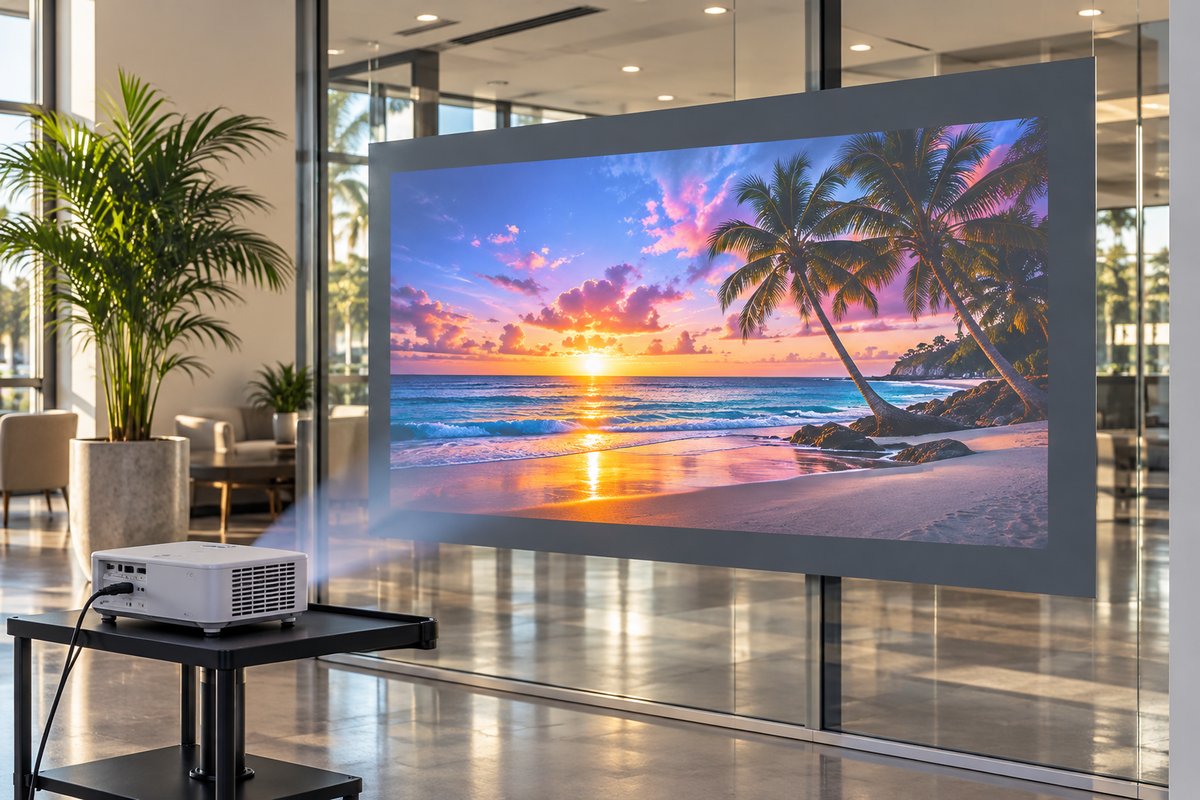
Florida’s rich mix of retail, hospitality, and cultural venues makes glass storefront displays an impactful way to attract and engage visitors. Rear projection film lets you turn standard glass or acrylic into a dynamic digital sign, window display, or interactive feature—ideal for busy retail corridors, convention centers, and museums across the state’s metro areas. As a division of Screen Solutions International, Rear Projection Films offers custom-cut projection films designed for the unique lighting and weather conditions found throughout Florida.
Projection film is applied to the interior side of your glass. It comes in various types—some that diffuse light for general use, others that deliver higher contrast for sunlit spaces, and specialty options for visual effects. Films are activated with a projector installed behind the glass, producing bright and visible images even in areas with variable daylight. Custom sizing ensures a professional result for windows, doors, and partitions.
Before starting, it’s essential to study your space’s lighting and regulatory environment. This guide will help you select the right film, size it to your glass, address Florida daylight challenges, coordinate with local power and sign offices, and prep your installation—all with practical links and resources for local research.
Choosing the Right Rear Projection Film for Your Florida Location
Film selection is driven by your space’s lighting conditions, visual goals, and audience viewing angles. Each Rear Projection Films product is engineered for specific presentation effects, so understanding your needs upfront ensures lasting impact. For general-use storefront window projection film with a neutral, frosted appearance, Accent film is a solid choice, diffusing the projector image for even brightness.
In brighter locations—such as street-facing storefronts in Orlando, Tampa, or Miami—higher-contrast film may be better. Definition film is a dark gray film that boosts contrast and image clarity in high ambient light. For displays in museums, science centers, or indoor lobbies where a floating, see-through effect is preferred, translucent Intrigue film makes graphics appear to hover on clear glass or acrylic.
Some venues want imagery visible from both inside and outside, such as convention centers or double-sided mall displays. DualView projection film enables double-sided viewing and supports off-axis or short-throw projectors. Because real-world results vary, samples of every film are available so you can preview performance in your own lighting. Order projection film samples to test materials before final sizing or installation decisions.
Measuring and Sizing Projection Film for Your Glass or Acrylic
Getting the right size is key for both visual quality and clean installation. Start by measuring your window or partition’s visible glass, excluding the frame. Take multiple measurements to account for manufacturing tolerances, especially in older storefronts found in historic Florida downtowns. Remember, most installers prefer the film to sit just inside the visible pane, so allow for a slim border (typically about ⅛ inch) to prevent edge peel or contact with the frame.
Rear Projection Films cuts each film to your project’s exact requirements. If you’re uncertain about how the film will align around mullions, door edges, or hardware, requesting a slightly undersized sample can help guide your installation plan. Keep the projector throw distance and lens coverage in mind—ensure your projected image fully covers the active film area but doesn’t spill onto bare glass, which can create distracting halos.
Films can be shaped for unusual window layouts, such as round portals, curved glass, or panoramic lobby panes typical of Miami office towers. Detailed templates are helpful when ordering large or custom-cut panels. For complex canvases, technical guidance is available from Rear Projection Films to help map your display area before placing an order.
Matching Projector Brightness to Florida’s Daylight
Florida’s ambient light—whether from sun, sky, or street lighting—is a defining challenge for storefront window projection film. Unlike static signage, projection film relies on the balance between projected light and surrounding brightness. To achieve striking visibility through the day, select your projection film based on the direction your window faces and typical weather patterns in your area.
West- and south-facing windows in Florida’s metro areas, including Fort Lauderdale and Jacksonville, often experience direct afternoon and late-day sun. In these cases, the higher-contrast properties of Definition film can help contain reflections and boost image sharpness. For mostly shaded or north-facing glass, Accent or Intrigue film may deliver all the vibrancy you need, especially for indoor displays.
Brightness needs also change with the weather—from bright, clear skies to rainy afternoons. Checking regional weather patterns through the National Weather Service Miami‑South Florida Forecast Office can help plan for seasonal daylight variations. Because projector type, distance, and image size all affect results, testing your projector and film samples under various lighting is the surest way to dial in contrast and visibility before permanent installation.
Power Planning and Local Electrical Requirements
Every rear projection film project requires reliable electrical supply for the projector and any control or media equipment. Power planning starts with assessing the available outlets and circuits in your selected storefront, lobby, or window location. If the planned display is near new or under-renovation spaces—such as in Florida’s evolving retail districts—it’s smart to coordinate with building management and, when necessary, a licensed electrician.
Your local utility provider can guide you in identifying available power sources and any specific requirements for signage or display circuits. The Florida Department of Agriculture & Consumer Services Electric Utilities directory lists utilities throughout the state, making it easy to find contact details for your property’s service area. In some settings, dedicated outlets or upgraded wiring may be recommended to ensure safe, uninterrupted projection for long hours of operation.
Florida’s humidity and weather can mean interior electronics need extra care. Locate projectors away from direct sun, HVAC vents, and water sources. Always follow equipment manufacturer guidelines for ventilation and heat management. For special cases—such as trade shows, temporary pop-ups, or convention exhibits—coordinate with event power providers in advance to secure compatible connections and any backup supply, especially in busy convention centers or museum lobbies.
Mounting Your Projector and Installing the Film
Correct alignment ensures you get the most out of your rear projection film and avoid hotspots or image distortion. For permanent installations in retail or hospitality venues, use a projector mount rated for the weight and throw distance needed to cover your film size. Adjustable ceiling or shelf mounts help fine-tune the projector beam and keep pathways clear, an important factor in high-traffic Florida stores or science centers.
Short-throw or off-axis projectors can be useful, especially for DualView film installations where space is limited. With glass storefronts that face busy streets in Miami, Tampa, and Orlando, maintaining a clean, vandal-resistant setup is paramount; keep all equipment positioned safely behind glass or acrylic, out of public reach. Secure any cabling along frames to prevent tripping hazards.
Projection film is applied wet to pre-cleaned glass or acrylic. Dust, oils, or particulates can appear as defects in the display, so working in controlled conditions is ideal. Rear Projection Films offers sample kits to let you practice the application and perfect your method. If interior humidity or condensation is a concern, schedule film mounting during drier windows based on local conditions from the National Weather Service Miami‑South Florida Forecast Office.
Understanding Sign, Building, and Event Permit Questions
Requirements for window displays, digital signs, and temporary installations vary widely in Florida’s cities and counties. Before applying rear projection film and turning on your projector, it is important to confirm with the appropriate office any rules that may apply to digital or illuminated displays—especially in high-profile retail centers, historic districts, or convention facilities.
Different municipalities may regulate window signage, exterior illumination, or the percentage of window coverage differently. Some may require review or registration for visible AV displays, seasonal exhibits, or brand activations. Event venues and visitor attractions often have their own requirements for power, safety, or temporary displays. Always check with the local building, sign, zoning, or event office about your project’s specifics. Planning early can help avoid delays or last-minute modifications.
To locate the proper office, use city or county government websites or contact building management if you are in a mall, office tower, or managed property. For state-level questions on electric signage or window display requirements, the Florida Energy Clearinghouse can be a starting point for relevant contacts.
Testing Projection Film Performance with Real-Life Samples
Testing is the best way to ensure your window projection film looks as expected under Florida’s ever-changing daylight. Order a projection film sample kit to evaluate different film types on your actual glass, using your planned projector. Try multiple film options at the same location and time of day, considering how cloudy, sunny, or shaded it is to simulate real conditions for your retail or exhibit space.
Testing helps you compare the look and brightness of Accent film, high-contrast Definition film, and effects like Intrigue film. For displays intended to be viewed from both sides, a DualView film sample can confirm image clarity. It’s also the ideal time to experiment with projector angles, image sizing, and framing before committing to the final film size.
Rear Projection Films offers technical guidance throughout your sample testing process by phone at 888-631-5880 or email at ssisales@ssidisplays.com. Test each film over several days if possible, noting performance at different hours. This investment in preparation pays off in fewer surprises and better display results, especially in dynamic Florida environments.
Frequently Asked Questions About Rear Projection Film in Florida
Can rear projection film be installed on exterior glass?
Rear projection film from Rear Projection Films is designed for interior application on glass or acrylic, with the projector located behind the display. This setup protects the film from weather and helps extend clarity in Florida’s warm, humid environment. Always test samples in your own conditions before ordering custom cuts.
What projector should I use for my storefront window?
Rear projection films work with a wide range of digital projectors. The best projector depends on your display’s size, typical room or outdoor lighting, and the film you’ve selected. Testing films and your projector together with a sample kit is strongly recommended to achieve desired brightness and clarity. Technical guidance is available from Rear Projection Films for matching projectors to film type and image area.
How do I find out if I need a permit for my window projection?
Permitting and approvals for digital or illuminated window displays are project-specific and vary by jurisdiction in Florida. Some cities or commercial properties may require permits due to display size, brightness, or content. Before installation, check with your local building, sign, or event office for requirements. The Florida Energy Clearinghouse can help you locate utility and contact information for permit planning.
Ready to plan your storefront window or glass display projection in Florida? Request a projection film quote to get started with custom sizing, technical guidance, and tailored solutions for your project.