A Practical Guide to Rear Projection Film in California
Learn how to choose and install rear projection film for glass in California, from film selection and sizing to brightness planning, power, and permitting.
Choosing the Right Rear Projection Film for Your California Space
California’s unique blend of sun-drenched urban corridors, glass-fronted retail, and high-profile visitor attractions makes rear projection film an increasingly popular choice for dynamic window displays. For retailers, museums, and exhibitors, the variety of available films can seem daunting. Each film type is optimized for a particular set of lighting conditions and display goals, whether you want a bold, frosted look or a barely-there floating image.
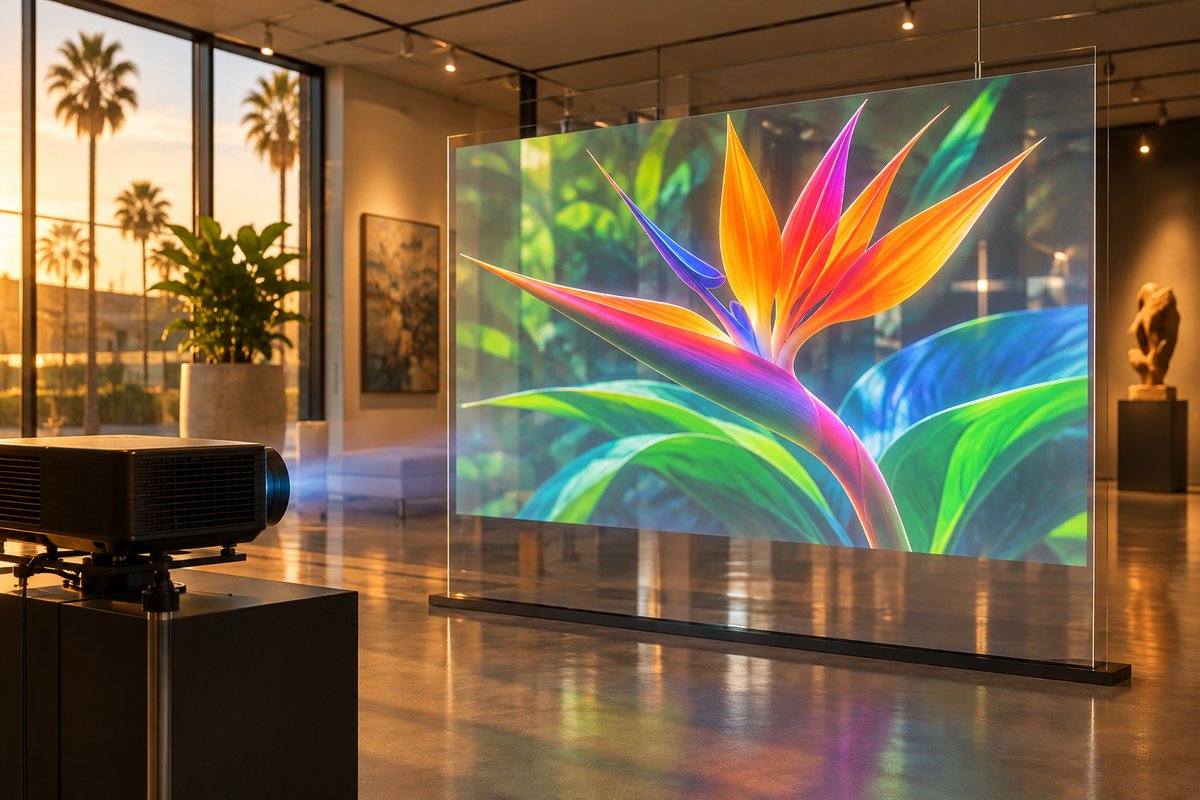
For most storefront and general display windows, the Rear Projection Accent Film offers a reliable frosted surface that creates even, vivid images in typical urban settings from downtown Los Angeles to the Embarcadero in San Francisco. In high-glare environments or rooms with abundant sunlight, consider the Rear Projection Definition Film, which features a darker, higher-contrast surface designed to handle more challenging lighting. If your project calls for a creative “floating image” effect—perfect for science center exhibits or innovative brand activations—the Rear Projection Intrigue Film adds modern flair while maintaining glass visibility. For two-sided window engagement, such as entrances in corporate lobbies or busy trade show aisles, DualView Projection Film supports short-throw projectors and displays visible from either side of the glass.
Not sure which surface is ideal for your site? Sample kits let you test several types directly in your own window or exhibit to experience the true effect in local lighting before making a final decision. This is especially important in California, where daylight varies significantly by region and season.
Sizing Your Projection Film and Glass Area
Selecting the right film is only part of the equation—the next step is careful sizing. Rear projection film from Rear Projection Films is custom cut to your specifications and shipped from their California office. This makes it suitable for the diverse architectural glass found in spaces from SoMa’s corporate campuses to Anaheim convention centers.
Begin by measuring your glass or acrylic substrate as accurately as possible. Account for any framing, window dividers, or mullions, and consider how close viewers will be to the surface. For store windows and exterior displays, maximize your display area without overlapping onto glass elements that could interrupt the projected image. For interior glass partitions or smaller meeting rooms, a well-centered display often stands out best.
If you’re planning complex shapes or need coverage on multiple panes, technical guidance on sizing and layout is available. Testing with samples first helps determine which visible area will produce the most engaging projection based on typical foot traffic and viewer angles.
Matching Projector Brightness to Daylight and Local Conditions
California’s strong regional sunlight—especially in summer—demands careful matching of your projector and film to the site’s ambient lighting. Areas near skylights, wide storefronts, or windows facing south will need different treatment than shaded atriums or night-focused displays. Check your local sun and weather forecasts with the National Weather Service Local Forecast, especially during event planning or seasonal changes.
In brighter settings such as Los Angeles retail strips, Definition Film is engineered for higher ambient light, helping you maintain vivid, clear images where frosted films may struggle. For after-dark activations or locations with controlled lighting (such as museums or venues), standard Rear Projection Film or Accent Film is often more than sufficient. The type and placement of your projector should also be evaluated; DualView films for glass entranceways can maximize visibility with the right off-axis or ultra-short throw models.
Always demo your planned content using projection film samples and your intended projector, adjusting output levels to suit the real-world light in your space. Doing so ensures guests and visitors see your content as intended during typical viewing hours.
Powering Your Projection Film Display: Planning Essentials
Every projection film display requires a precise power supply for your projector and any related audio-visual components. California’s electrical infrastructure is robust, but early planning avoids surprises—especially in locations with limited access to outlets or in historic buildings. Start by surveying your site: how close is the nearest power source? Will you need extension cords, floor cable covers, or technical assistance for compliance?
Consult local utilities like Pacific Gas & Electric Company to understand available power capacity and any restrictions on load or new installations, particularly for larger or semi-permanent exhibits. For pop-up installations or temporary events, check with your venue about temporary electrical options and safety requirements related to public spaces.
Be aware that in some urban areas, even the brightness or operating hours of AV components may fall under local sign, lighting, or nuisance ordinances. Reviewing resources such as the City of Los Angeles Zoning Code’s Outdoor Lighting & Glare guidelines can help you stay ahead of requirements or potential constraints for your display location.
Mounting Projection Film on Glass or Acrylic Surfaces
Applying rear projection film starts with ensuring the glass or acrylic is clean, smooth, and free of dust or oils. Because projection film is designed to be installed on the interior face of glass, this protects your display from weather exposure and most external wear. Proper surface preparation, careful alignment, and the use of recommended mounting techniques—along with a patient, methodical approach—produce the best results.
For storefront windows, museums, or exhibit enclosures, take time to lay out your installation sequence in advance. Large expanses of film may require multiple installers to ensure an even, bubble-free finish, especially on oversized panes or where seams must be matched. Smaller displays, such as those used in corporate visitor centers or trade show booths, can often be managed with a single installer and basic tools.
If you’re integrating film with custom-built enclosures, acrylic panels, or curved glass, technical guidance ensures compatibility with the film’s adhesive and your structure. Sample films and custom sizing also allow you to test mounting methods and refine your approach before final installation.
Permits and Local Regulations: Planning for California Locations
Permitting requirements for projection film installations in California vary by city, display type, and building usage. While projection film itself is a surface treatment applied to existing glazing, both permanent and temporary AV displays may be subject to review by building, sign, or event offices. Requirements can differ substantially between commercial corridors in San Diego, historic downtowns, and modern corporate parks in Silicon Valley.
For exterior windows and signage, local lighting ordinances—such as those outlined in the Los Angeles Zoning Code Outdoor Lighting & Glare regulations—may dictate allowable brightness levels, hours of operation, and glare mitigation. Always verify with local officials whether your planned content, display size, or viewing hours require an application or permit.
For major events, festivals, or temporary trade show exhibits, consult both building management and city event offices early in your planning process. The goal is to avoid delays or modifications that could impact your activation schedule. Technical guidance on integration and display specification is available to support your permit or application process.
Planning Across California’s Diverse Metro Areas
From downtown San Francisco’s high-foot-traffic shopping streets to the sprawling campuses of Los Angeles and San Jose, every California location brings unique sunlight exposure, power access, and regulatory landscape. Retailers often contend with long glass storefronts angled towards afternoon sun, while museum display planners may need to balance natural and exhibit lighting for optimal image clarity. Convention centers near Anaheim, Sacramento, and San Diego regularly host AV-rich exhibits reliant on efficient installation and rapid teardown.
Matching your projection film and setup to the local context delivers strong visual impact. DualView films can create attention-grabbing entrances where sidewalks and lobbies meet, while Intrigue films allow artful displays that blend with modern architecture. Accent and Definition films adapt well to regional weather and lighting variations. Always reference regional weather forecasts during initial project planning to anticipate challenges or required adjustments to your AV setup.
Although Rear Projection Films is not a local installer, your order ships from California for reliable delivery statewide, and technical guidance supports your team whether you’re in a Bay Area office park or a Central Valley retail space. Sample kits allow decision makers to see the films perform in actual site conditions, minimizing guesswork before installation.
Frequently Asked Questions: California Rear Projection Film Projects
How do I choose the best projection film for my window?
Film selection depends on your lighting conditions, desired visual effect, and display location. Accent Film works for most storefronts; Definition Film is best for high-light environments; Intrigue Film is preferred for floating images. Order sample kits to test each film on your own glass before committing.
Do I need a permit for a rear projection sign or window display in California?
Permit requirements vary by city, building, and project type. Always check with your local building, sign, or event office, especially in cities with strict lighting ordinances like Los Angeles. Reviewing the Los Angeles Zoning Code Outdoor Lighting & Glare guidelines can be a useful starting point.
What power considerations do I need to plan for?
Assess your site’s power accessibility and available capacity, especially for high-lumen projectors. Contact your regional utility, such as Pacific Gas & Electric Company, to confirm support for your display’s requirements. For temporary setups or exhibits, plan safe cable routing and confirm with your venue in advance.
Ready to transform your California storefront, venue, or exhibit with projection film? Request a projection film quote today for custom sizing, technical support, or a sample kit to test in your real lighting conditions.
- Rear Projection Films (A division of Screen Solutions International)
- Rear Projection Film
- Rear Projection Accent Film
- Rear Projection Definition Film
- DualView Projection Film
- Rear Projection Intrigue Film
- Projection Film Samples
- Pacific Gas & Electric Company
- City of Los Angeles Zoning Code Outdoor Lighting & Glare
- National Weather Service Local Forecast